
If your car insurance feels like it's gone up for no reason, you're not alone. Rates across the board have been rising, but some of the biggest factors behind your bill are things most people don't even realize they're being charged for.
From lifestyle changes to outdated info on your policy, there are plenty of hidden reasons your premiums creep higher every year. The good news? Once you know what's driving the cost, you can start fixing it-and maybe save yourself a few hundred dollars a year.
Your Credit Score Dropped
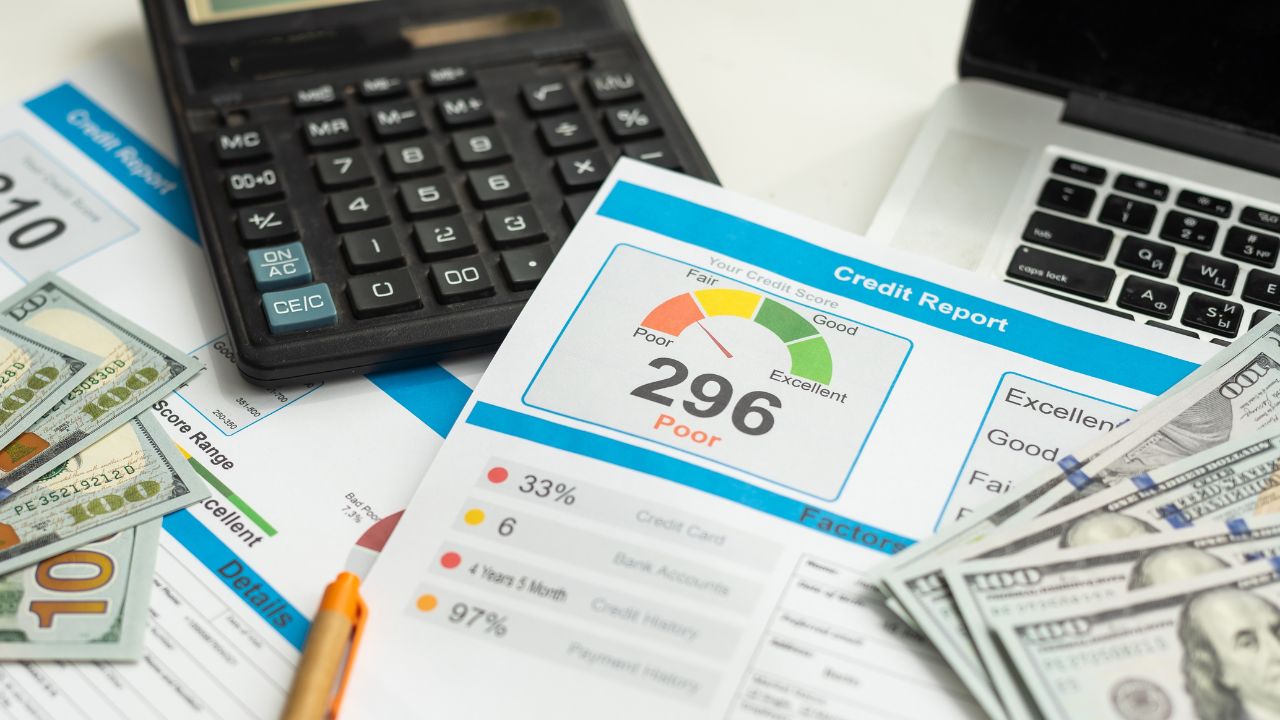
In most states, insurance companies use your credit score to predict how likely you are to file a claim. Even a small dip can raise your rate. If you've recently taken on new debt, missed a payment, or closed an old account, your insurer might see that as a red flag. Keeping an eye on your credit and making on-time payments can make a bigger difference than you think.
You're Overinsured for the Car You Drive

If your car's older and you're still carrying full coverage, you could be paying way more than it's worth. Comprehensive and collision coverage can make sense for newer vehicles, but for cars with low resale value, those add-ons can cost more than they'd ever pay out. Check your car's current value-if it's under $4,000, it might be time to drop some of that coverage.
You Moved or Changed Where You Park

Even a move across town can change your rate. Insurers look at where your car spends the night-urban areas, flood zones, and regions with higher accident rates all bump up costs. If you've started parking on the street instead of in a garage, that can also make a difference. Updating your policy with accurate info helps you avoid unnecessary risk charges.
You Added a Younger Driver

Adding a teen or young adult to your policy can nearly double your premium. Insurers see inexperienced drivers as high-risk, no matter how careful they are. Look into good student discounts, driver safety courses, or usage-based insurance apps that track driving habits. Those small steps can help lower the rate without sacrificing coverage.
You're Paying for Extras You Don't Need
Policies often include optional coverages like roadside assistance, rental reimbursement, or gap insurance that might overlap with what you already have elsewhere. For example, your credit card or auto club may cover towing or rentals. Review your policy line by line once a year to make sure you're not doubling up.
You Haven't Updated Your Mileage
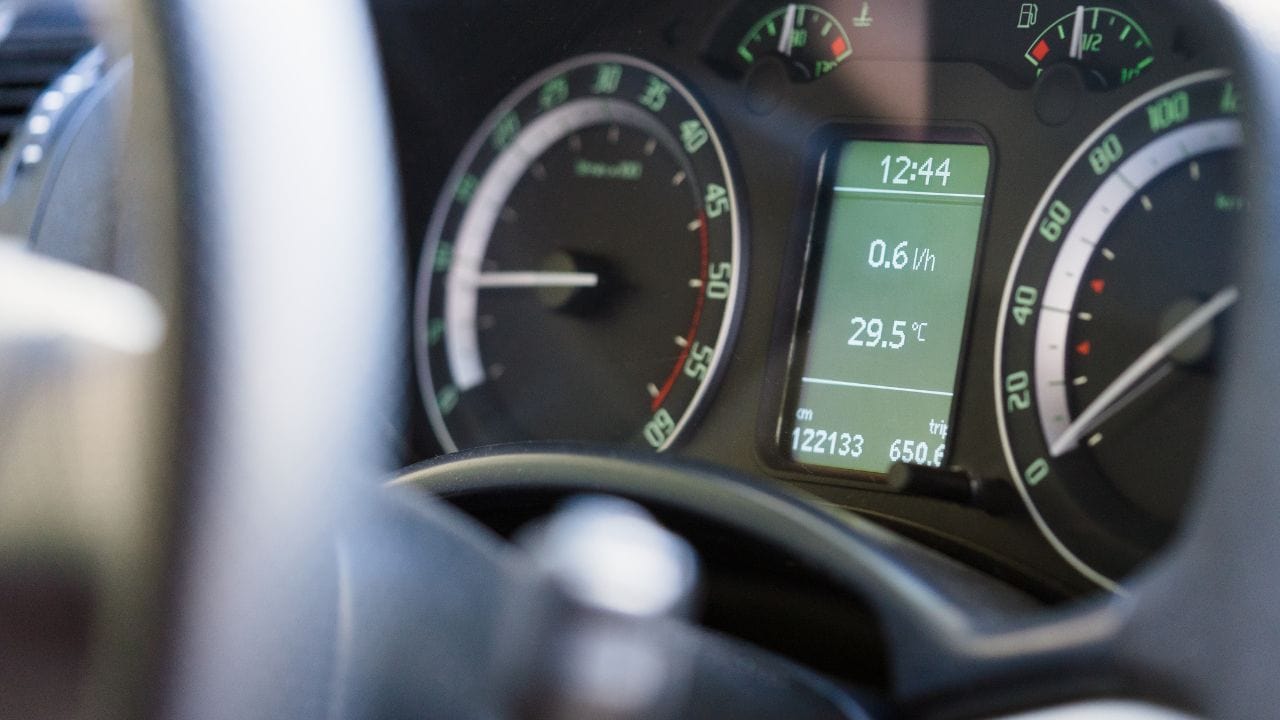
If you're driving less than you used to-like after switching to remote work-but your insurer still has your old mileage listed, you're likely overpaying. Many companies use annual mileage as a major rating factor. Updating it can save a noticeable amount, especially if you've cut your driving in half since your last renewal.
You Filed Small Claims

Even small claims can stay on your record for years and cause your rate to climb. Insurers see multiple small claims as a pattern of higher risk. Sometimes it's smarter to pay out-of-pocket for minor fixes instead of letting them affect your premium long-term. Save insurance for big, unexpected hits-it'll protect you better in the long run.
You Didn't Shop Around
Insurance companies raise rates regularly, assuming most customers won't leave. If you haven't compared quotes in a couple of years, you're likely paying more than you need to. Rates can vary dramatically for the same coverage between providers. Spending half an hour getting a few quotes can easily save hundreds a year.
You Changed Cars Without Checking the Impact

Not all cars are equal when it comes to insurance costs. Sports models, luxury brands, or vehicles with expensive parts often mean higher premiums. Even color and trim can play a small role. Before buying, get an insurance estimate-it might change your mind on which version is actually the better deal.
You Let Your Policy Lapse
If you've had any gaps in coverage, insurers see that as risky behavior, even if it was unintentional. A short lapse can reset your "continuous coverage" history, which usually earns discounts over time. Always renew early or set up automatic payments to avoid higher rates later.
*This article was developed with AI-powered tools and has been carefully reviewed by our editors.






Leave a Reply