
The beauty industry thrives on convincing you that higher prices mean better results-but that's rarely the case. Most of the time, the expensive creams, serums, and tools lining store shelves aren't doing anything a $15 version couldn't handle.
What you're really paying for is packaging, marketing, and a recognizable name on the bottle. If you've ever wondered why your bathroom counter is full of pricey products with minimal payoff, it's time to rethink what's actually worth your money-and what definitely isn't.
Luxury Moisturizers
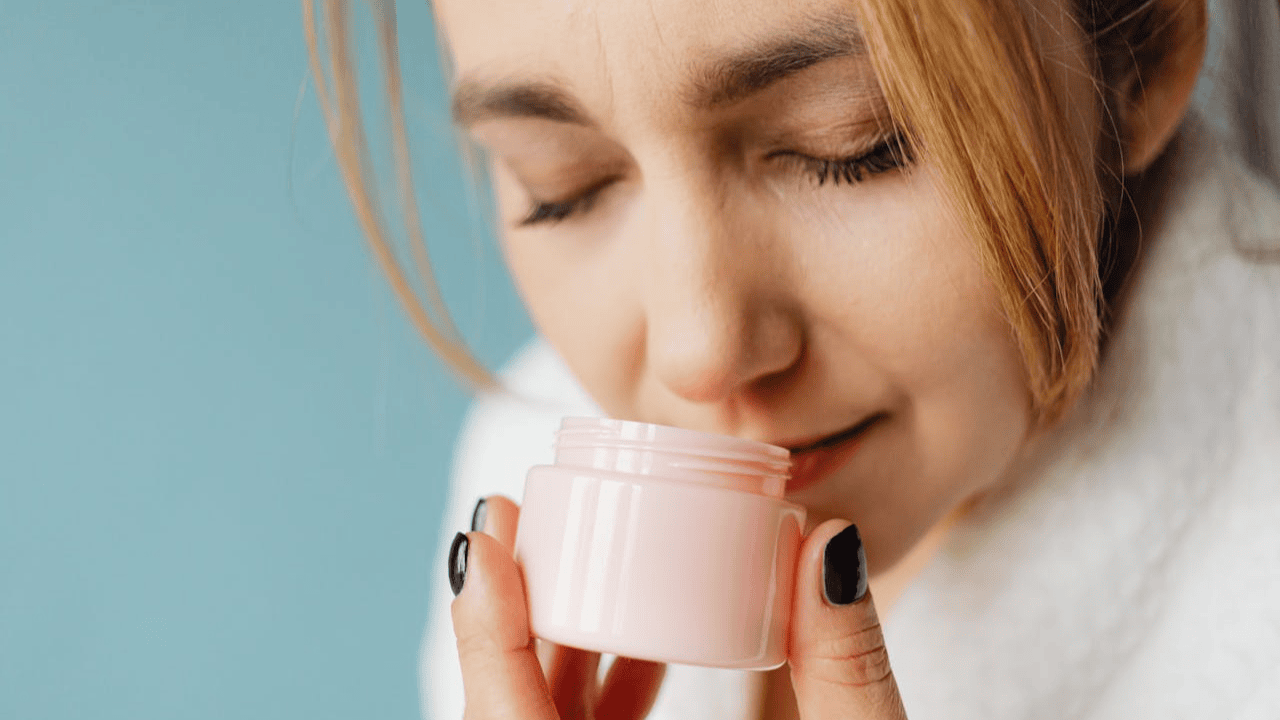
A $200 face cream won't work miracles compared to a $20 drugstore one. Most luxury moisturizers use the same base ingredients-like glycerin, hyaluronic acid, and ceramides-that you can find in affordable brands. What you're paying for is the scent, the jar, and the name. A good basic moisturizer hydrates your skin just as well without the sticker shock.
Designer Mascara
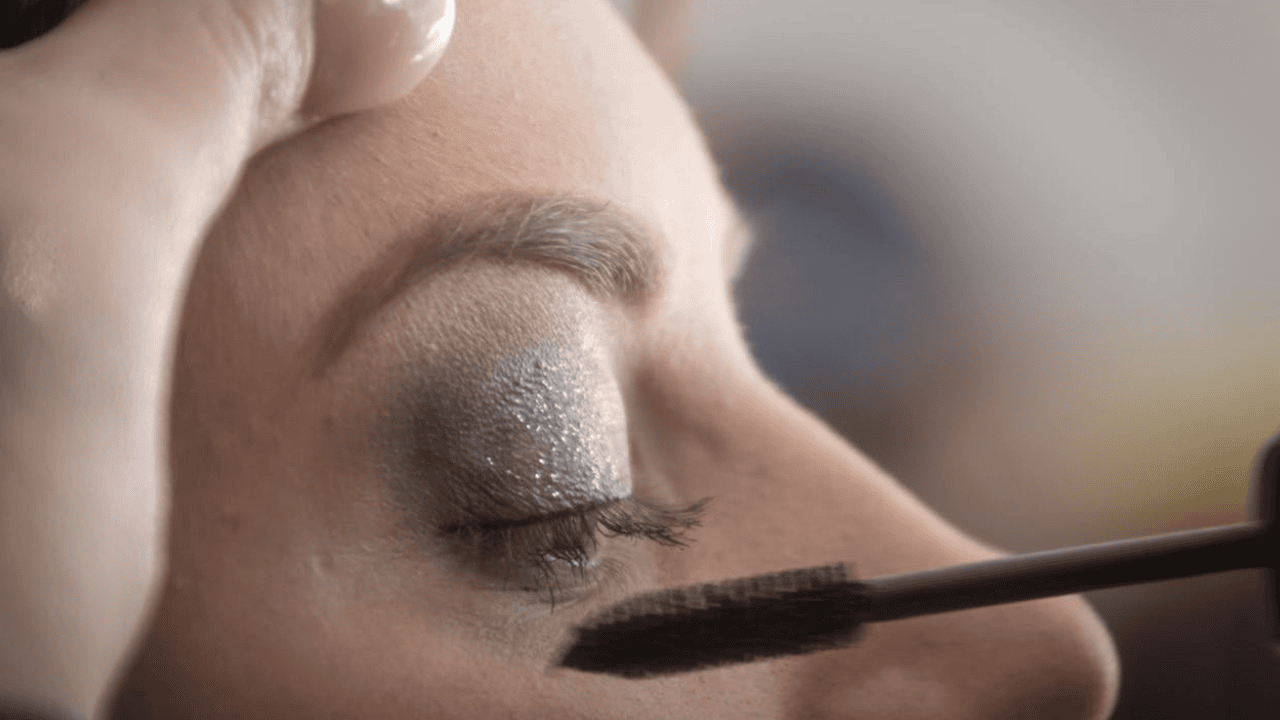
No mascara, no matter how expensive, will last longer or make your lashes healthier. The formulas between high-end and drugstore brands are almost identical, and even the best tube needs replacing every three months. Stick to a reliable drugstore mascara that gives you the same lift and volume for under $10.
Fancy Hair Masks
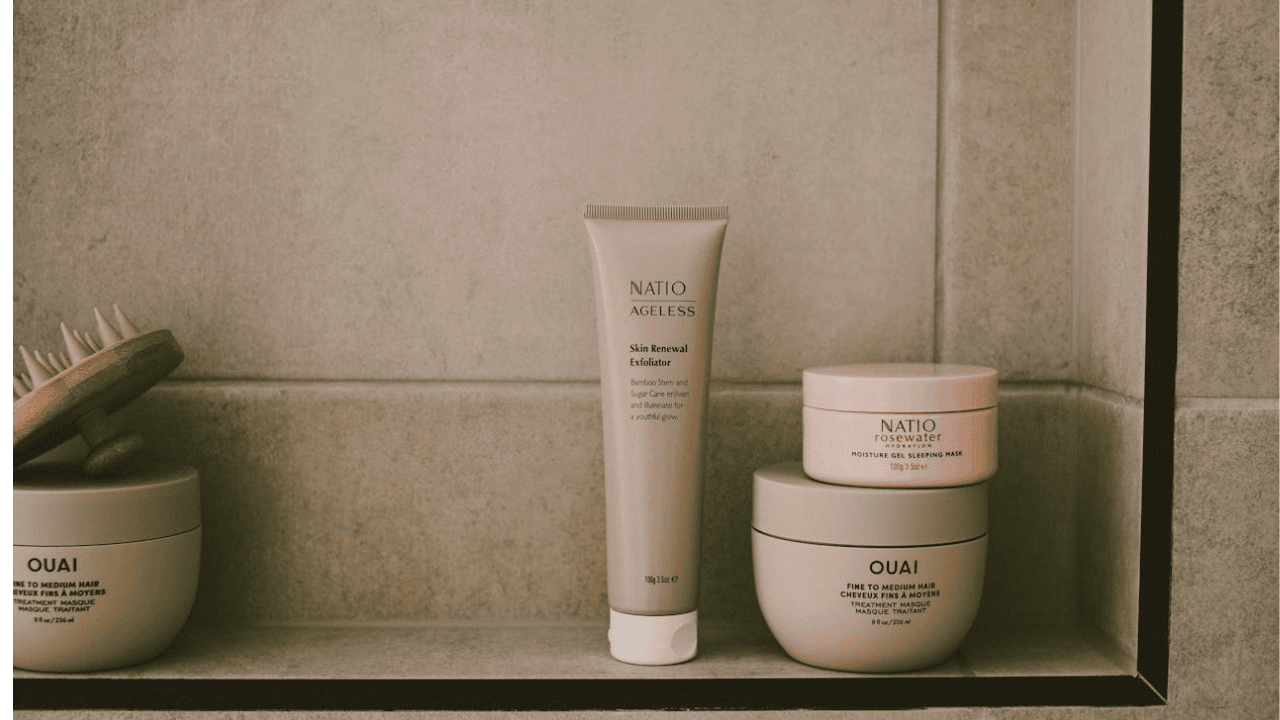
Many salon or luxury hair masks are loaded with silicones that make your hair feel soft temporarily but don't actually repair it. A $50 jar might give you shiny hair for a day or two, but so will a mix of coconut oil and conditioner. The key is consistent hydration-not how much you paid for it.
Expensive Makeup Brushes
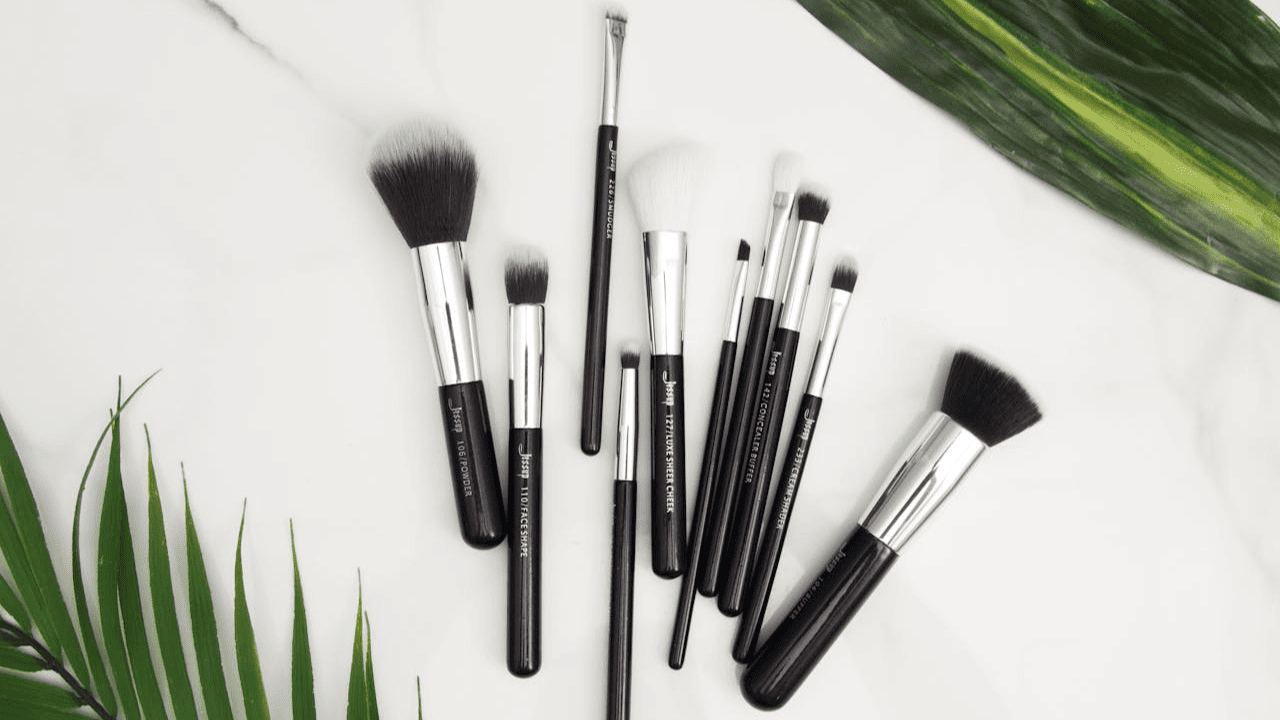
High-end brushes can feel nice, but you don't need to spend $60 on one. Synthetic brushes from affordable brands work just as well, last just as long, and are easier to clean. The trick is washing them regularly-not how fancy they are. Most professionals mix high- and low-end brushes without issue.
High-Priced Serums
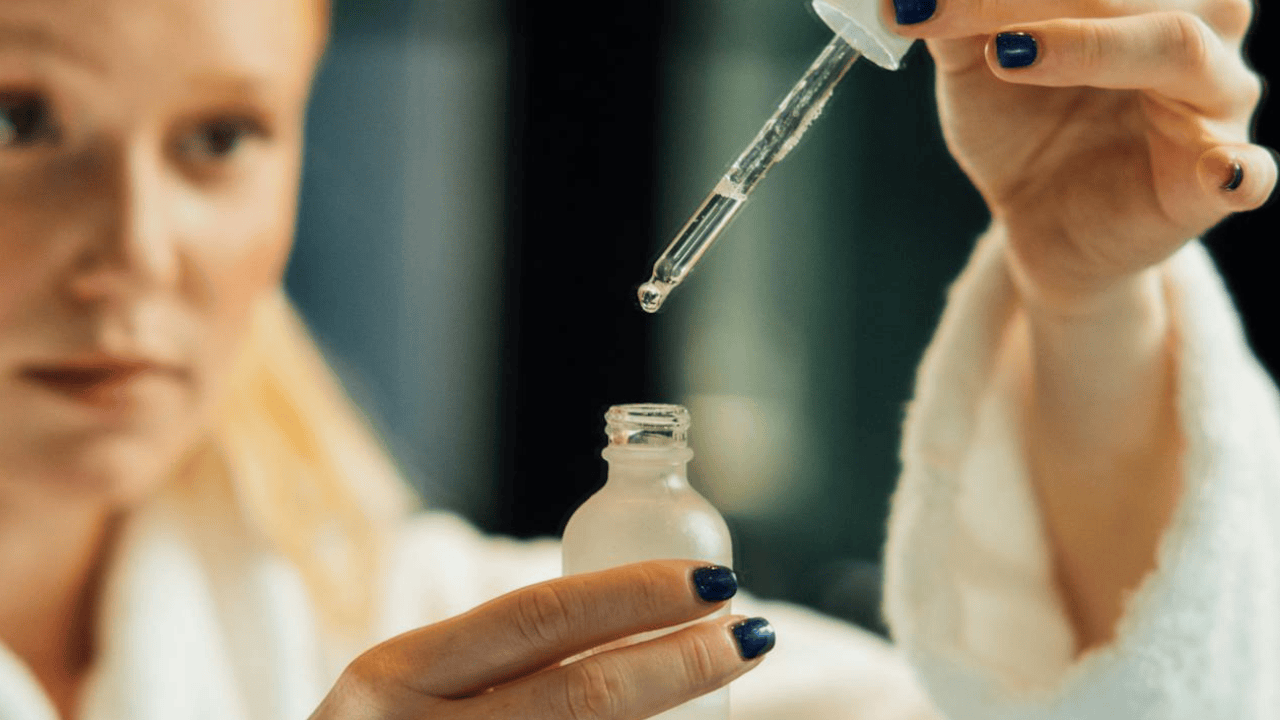
Many luxury serums promise anti-aging, glow-boosting, and wrinkle-reducing benefits, but most rely on the same active ingredients like vitamin C or niacinamide found in cheaper options. Look for those ingredients instead of the brand name. You'll get the same results for a fraction of the cost and avoid overpriced packaging.
Designer Shampoo
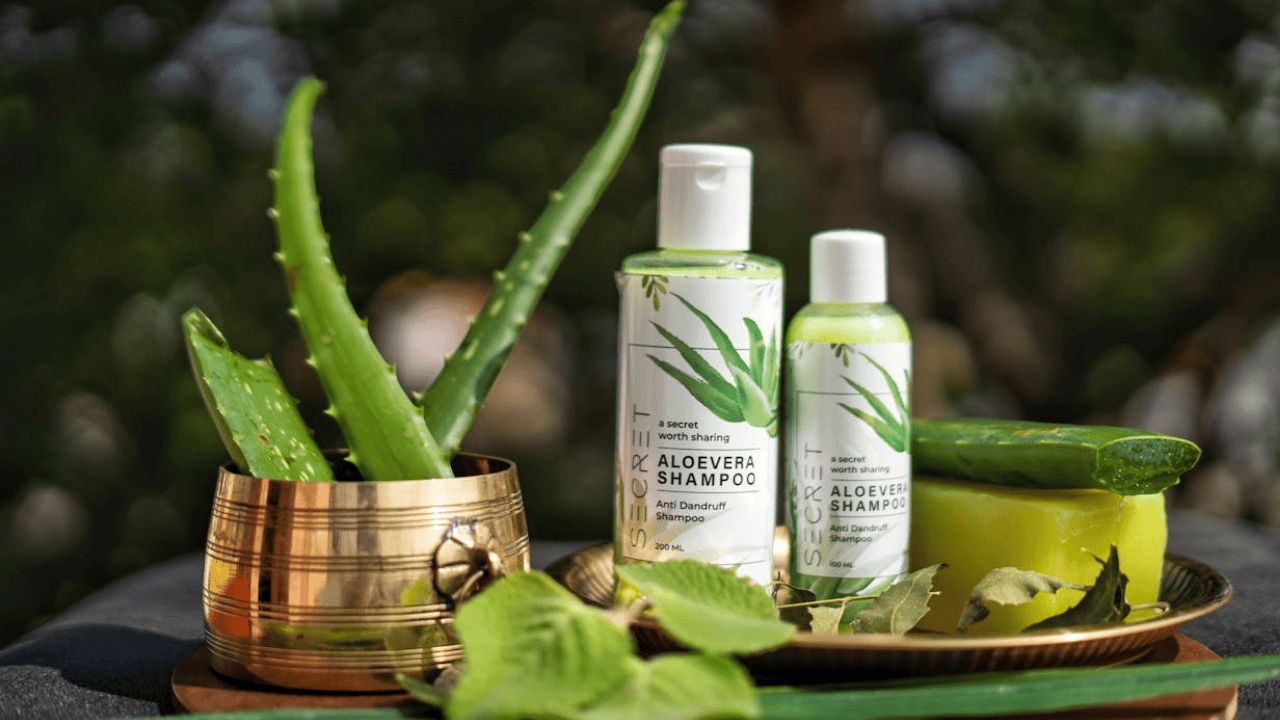
Salon shampoos can smell amazing, but they're often full of the same sulfates and fillers found in cheaper ones. Unless your stylist specifically recommends one for your hair type, there's no need to pay top dollar. A sulfate-free drugstore shampoo will keep your scalp and hair just as healthy.
Luxury Lip Gloss
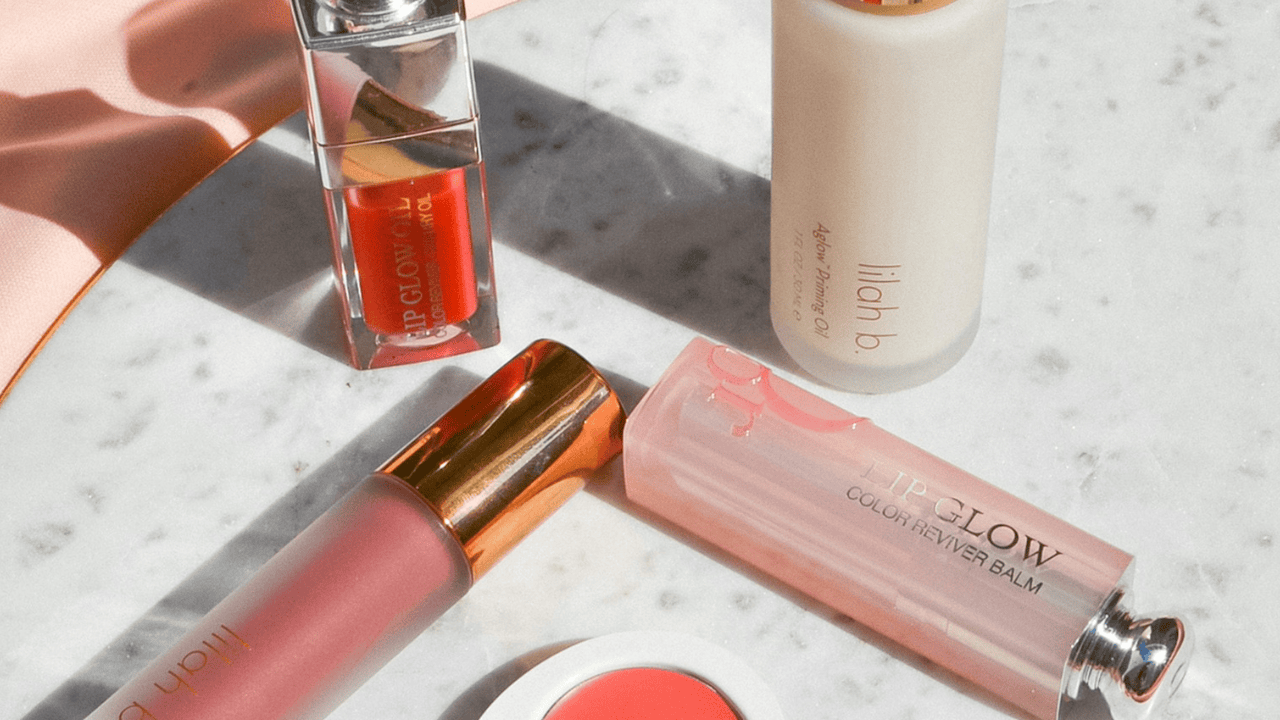
High-end lip glosses look great on social media but usually feel sticky and wear off quickly-just like their cheaper counterparts. The main difference is the tube it comes in. A $5 gloss with good hydration and color payoff will do the same job as one ten times the price.
Name-Brand Nail Polish
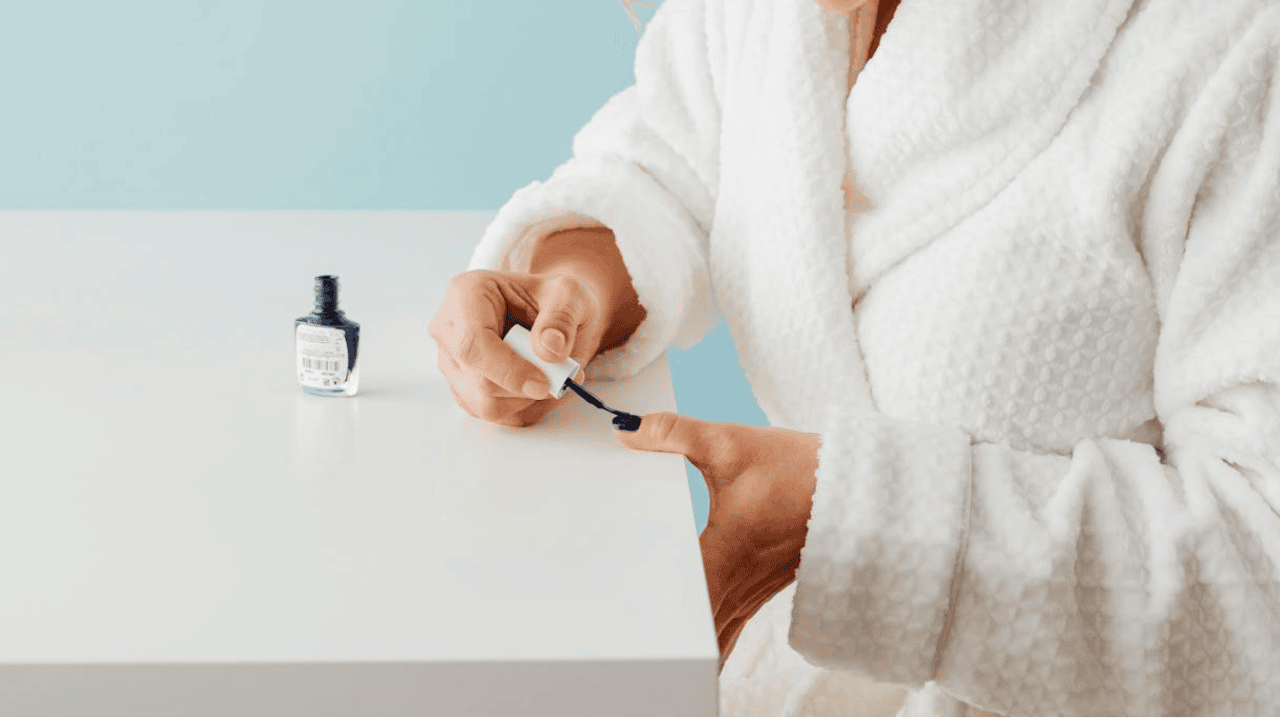
Most nail polish brands, luxury or not, chip within the same timeframe unless you use a quality top coat. A $25 polish might look sleek on your vanity, but it won't hold up better than an affordable version. Save your money for a strong top coat and base layer instead.
Expensive Face Wash
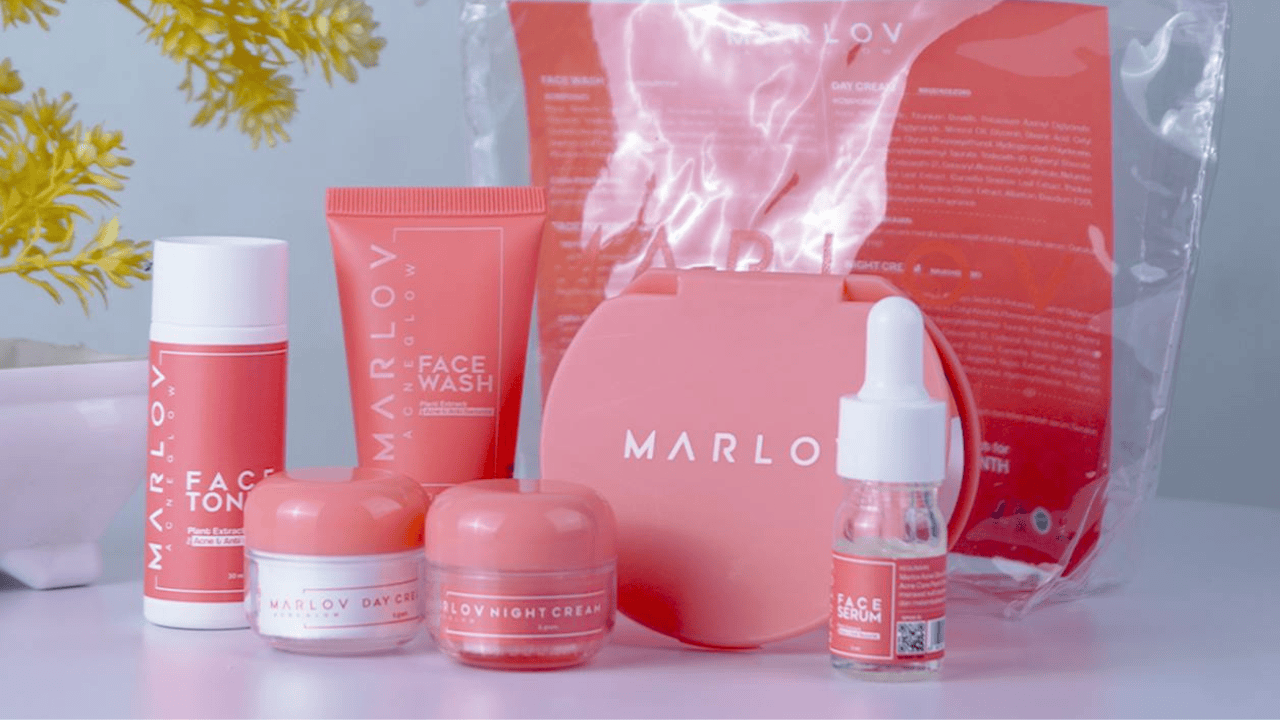
Cleansers are meant to be rinsed off, not absorbed. That means paying extra for luxury ingredients is usually a waste. A gentle, sulfate-free cleanser will clean your skin without stripping it, and you can find plenty of good ones for under $10.
Designer Perfume

Perfume markups are some of the biggest in beauty. The cost comes from branding and advertising, not ingredients. Many affordable fragrances now use high-quality essential oils and dupe popular designer scents nearly perfectly. Try a body spray or roller version before splurging on a full bottle-you might not notice a difference.
*This article was developed with AI-powered tools and has been carefully reviewed by our editors.



Leave a Reply