
10 money-saving habits our grandmas swore by

If you grew up around a grandma who lived through hard times, you probably saw her do things that felt old-fashioned-but they were smart. Most of those habits weren't about being trendy or minimal; they were about making things last and wasting as little as possible.
A lot of that wisdom still holds true today, especially if you're trying to save money without giving up your standards. These habits were passed down for a reason-they work, they stretch your dollar, and they don't rely on gimmicks.
Saving Every Scrap
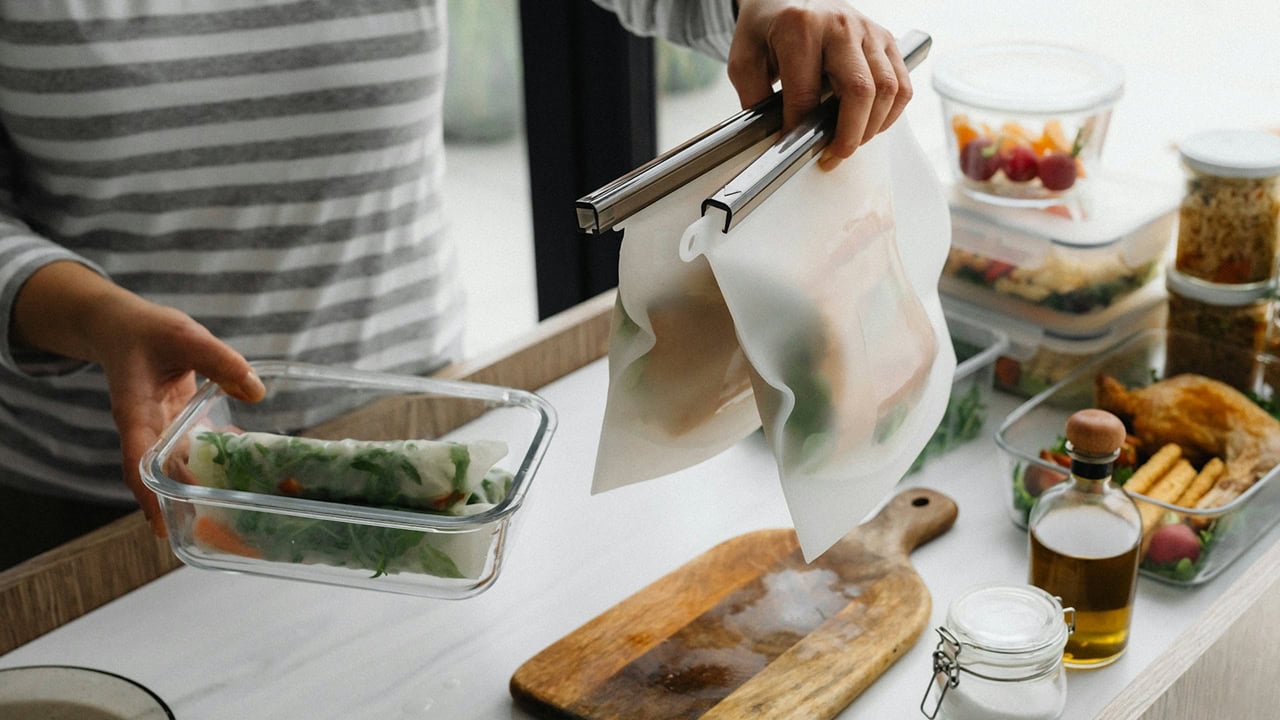
Your grandma didn't toss leftovers without thinking. She saved bacon grease in a coffee can, reused foil until it fell apart, and found a way to use every last bit of something before it hit the trash.
It wasn't just frugality-it was a mindset. Scraps weren't waste; they were ingredients or tools for something else. If you learn to look at what's left instead of what's missing, you'll end up wasting a lot less and spending less too.
Washing and Reusing Bags and Jars
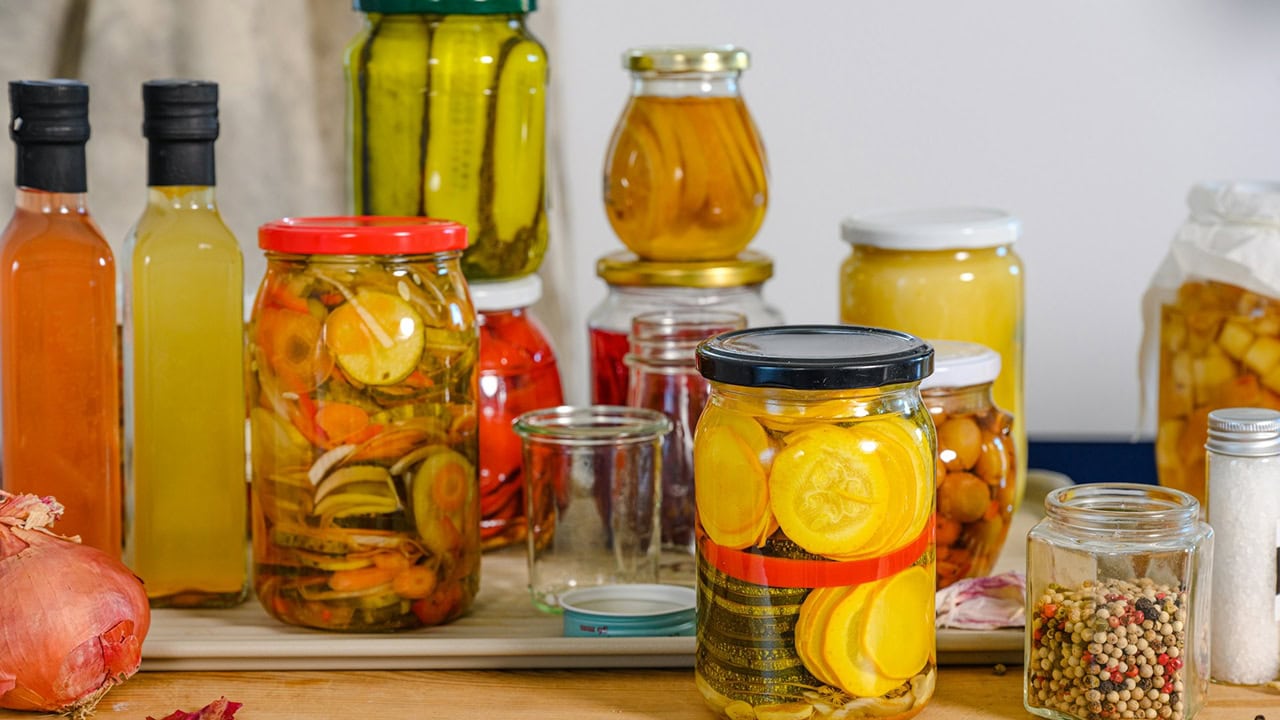
Plastic bread bags, butter tubs, glass jars-nothing went to waste. You might've thought it was odd as a kid, but your grandma knew exactly what she was doing.
Reusing containers means you don't have to keep buying storage supplies. Old jars hold leftovers, screws, or craft supplies. Bags get washed, dried, and reused for school lunches or freezing veggies. It's a habit that keeps the trash can emptier and your budget steadier.
Hanging Clothes to Dry
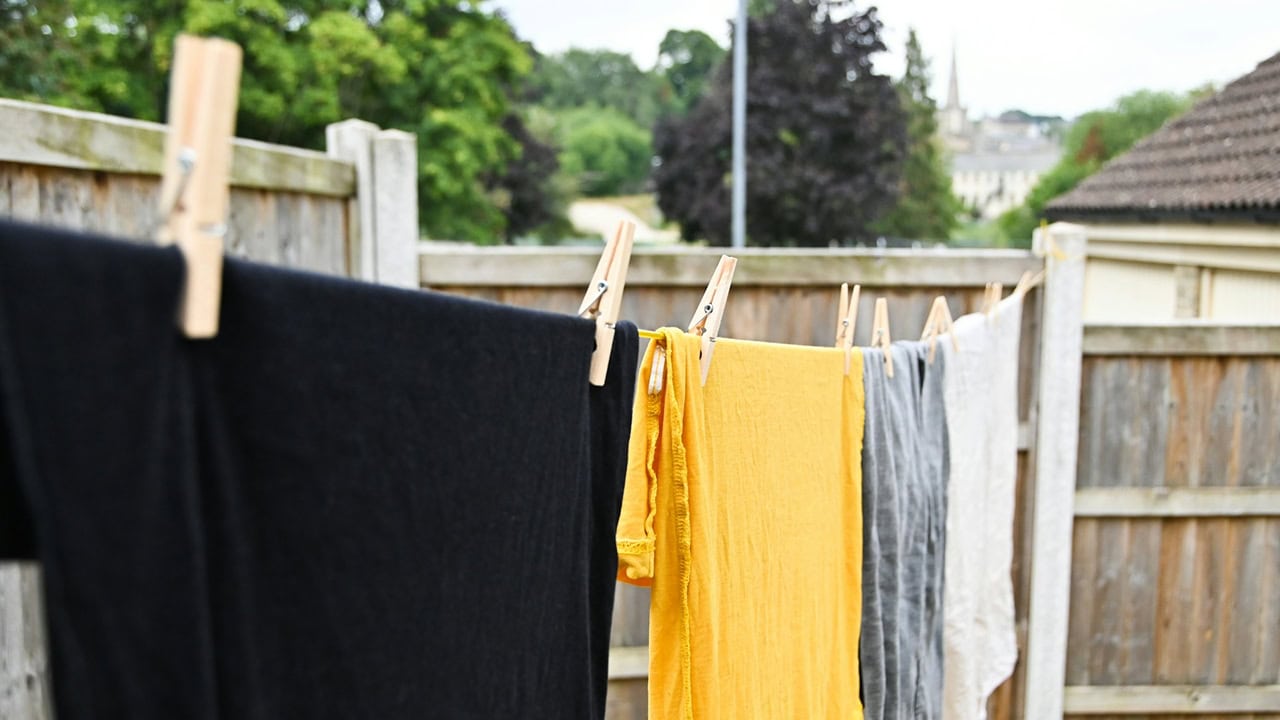
Before dryers were in every house, clotheslines were the norm. But even when dryers showed up, a lot of grandmas still hung laundry to save electricity and keep clothes in better shape.
It's slower, sure, but air drying means you're not running up the power bill and your clothes don't wear out as fast. Toss stiff towels in the dryer for a quick fluff afterward if needed, but most things do just fine in the breeze.
Making Do and Mending
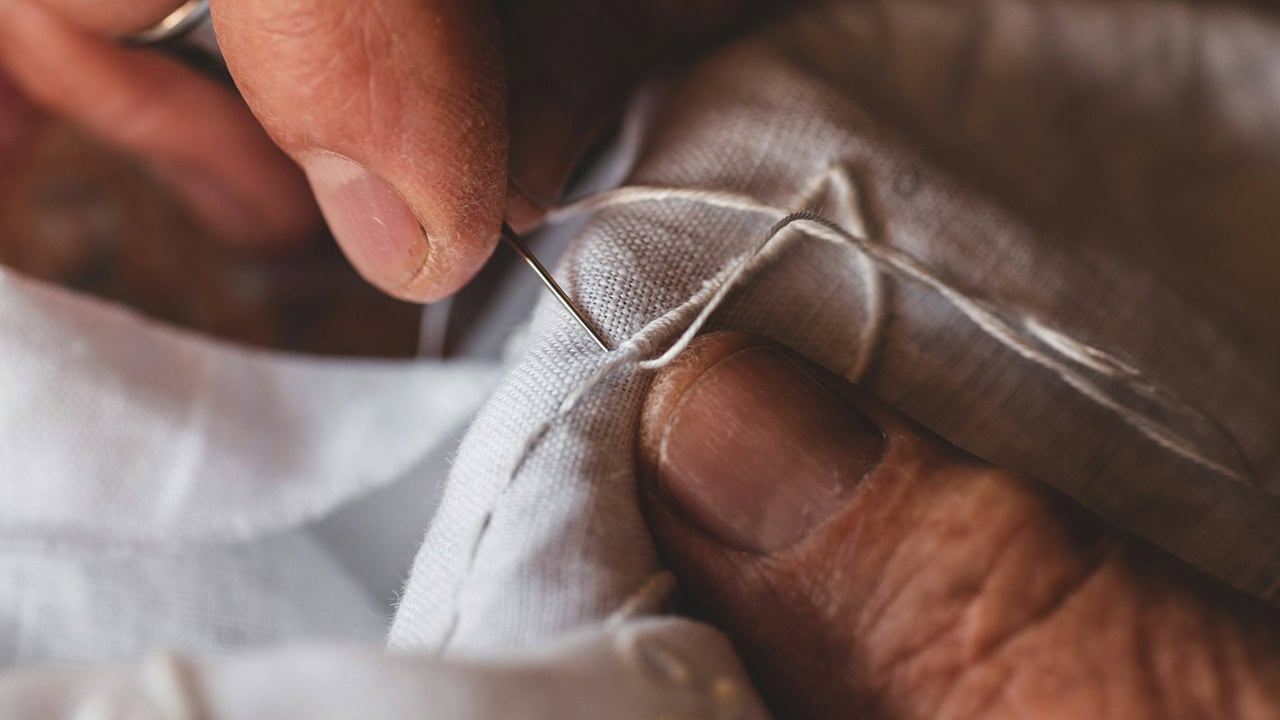
Throwing something out because of a small tear wasn't the way. If it could be patched, stitched, or hemmed, your grandma fixed it herself instead of buying new.
That kind of habit adds up. You don't need sewing skills worthy of a tailor to patch a knee or sew on a button. You just need to stop seeing damage as a reason to replace-and start seeing it as a reason to repair.
Cooking at Home (from Scratch)
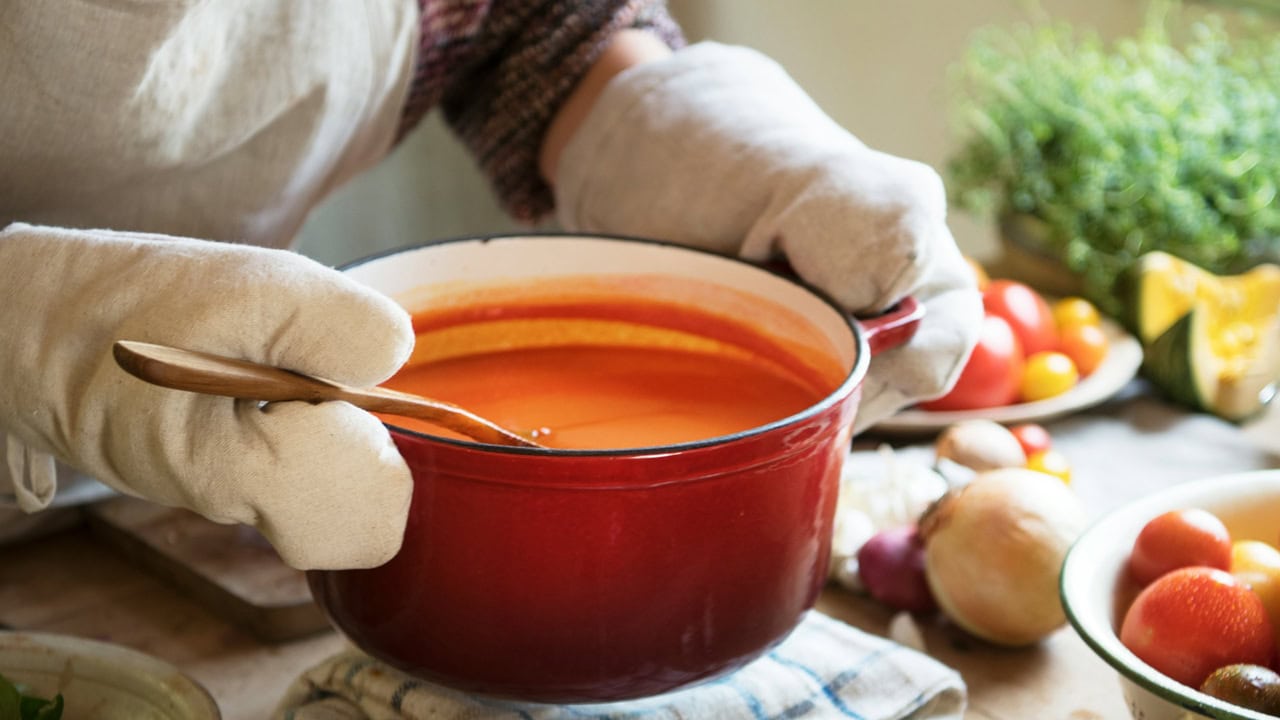
Going out to eat was for special occasions. Your grandma made meals stretch, cooked from scratch, and used what was in the pantry instead of running to the store for one ingredient.
Home-cooked meals cost less and usually make more. Things like soup, casseroles, and stews were staples because they used cheap ingredients and fed a crowd. You don't have to cook every night, but eating out less makes a big difference fast.
Saving Buttons, Zippers, and Fabric
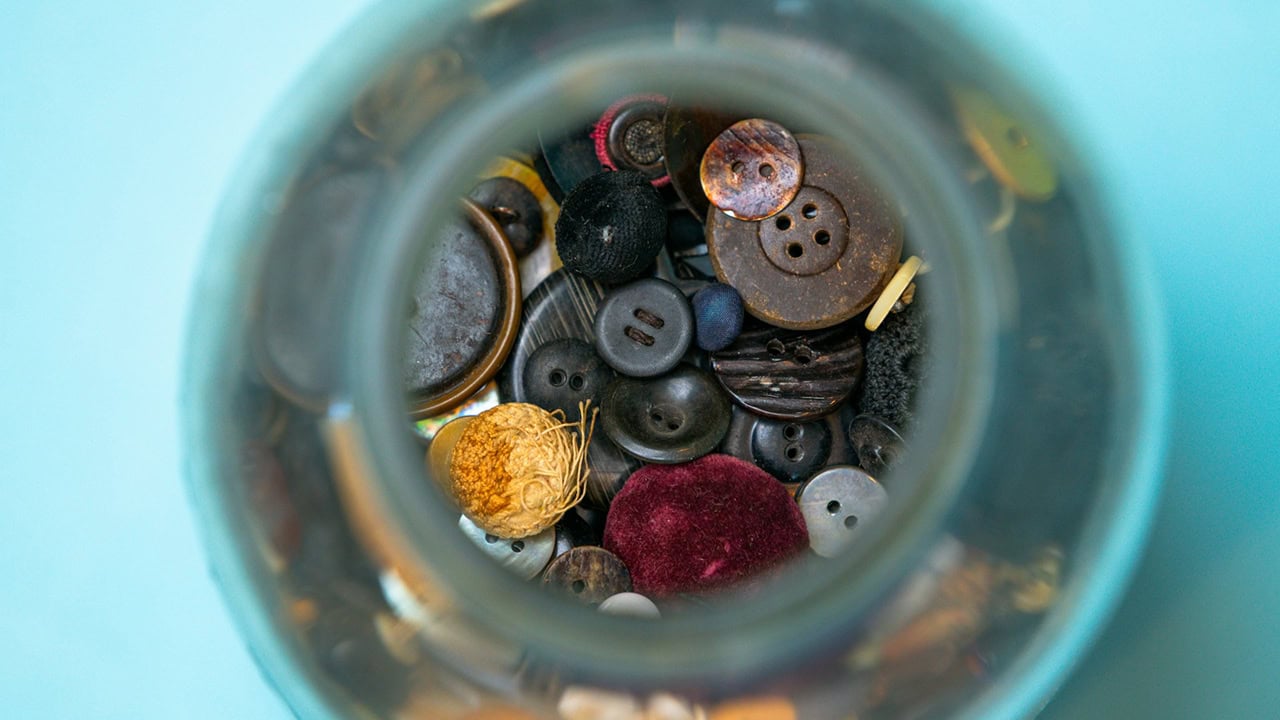
When clothes wore out beyond repair, they weren't totally tossed. Buttons were snipped off and saved, zippers were unstitched, and good fabric got folded and stored for future use.
It might feel old-school, but having those things on hand means you don't have to run to the store or buy a new shirt when one button goes missing. A jar of saved notions becomes surprisingly useful once you start reaching for it.
Using a Shopping List (and Sticking to It)
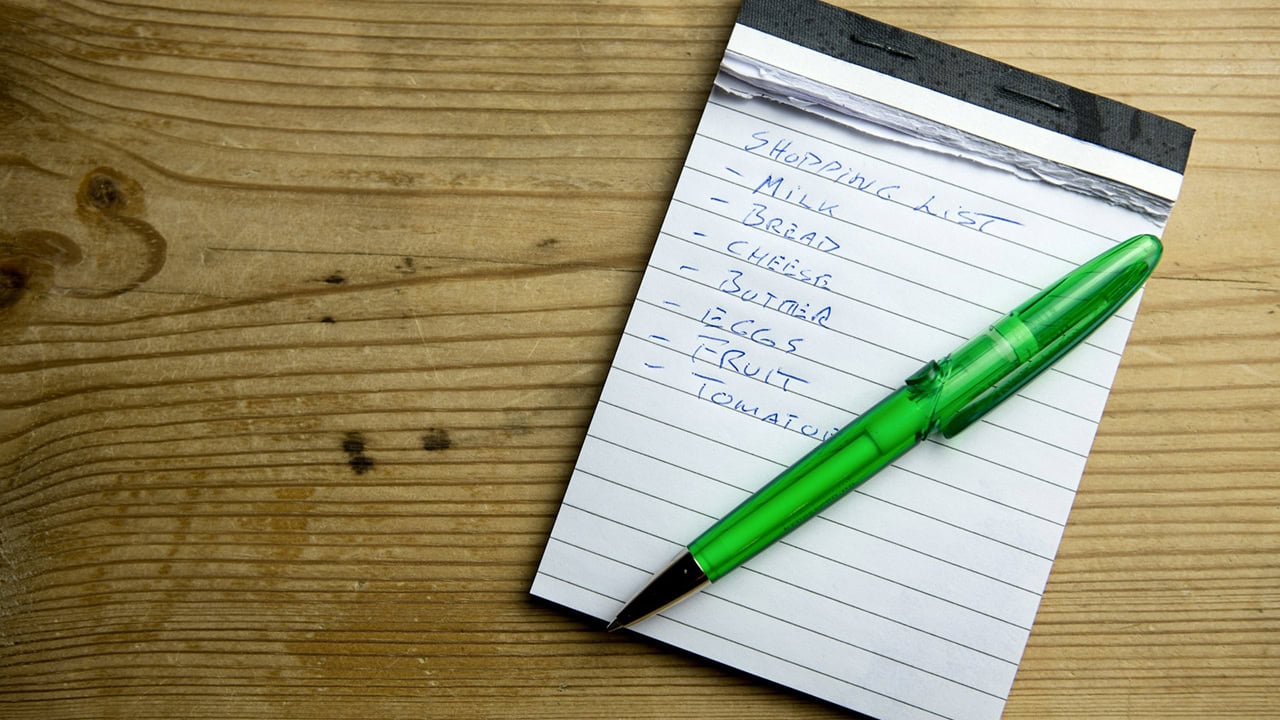
Before every grocery trip, your grandma probably made a list-and she didn't toss things in the cart because they looked good. She bought what was needed and knew how to plan around it.
Impulse shopping adds up, especially now when prices are higher. Making a list based on what you have and what you need keeps you focused and helps cut down on extras you don't actually use.
Growing a Garden
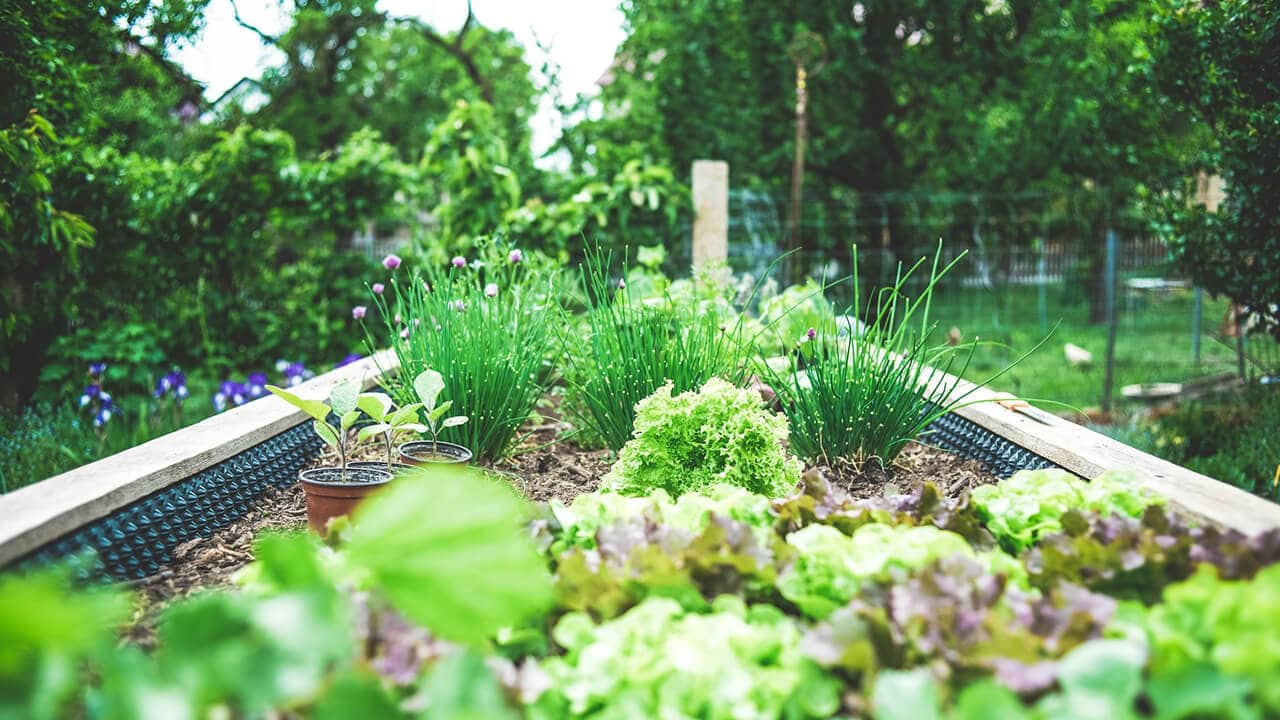
Even a small backyard garden helped stretch the food budget. Fresh tomatoes, green beans, herbs, and squash weren't bought-they were picked out back.
Gardening does take time and effort, but it pays off fast, especially if you focus on high-yield or expensive-to-buy crops. Even container gardens on a patio can keep you stocked with fresh herbs or lettuce without constant store trips.
Making Homemade Cleaners
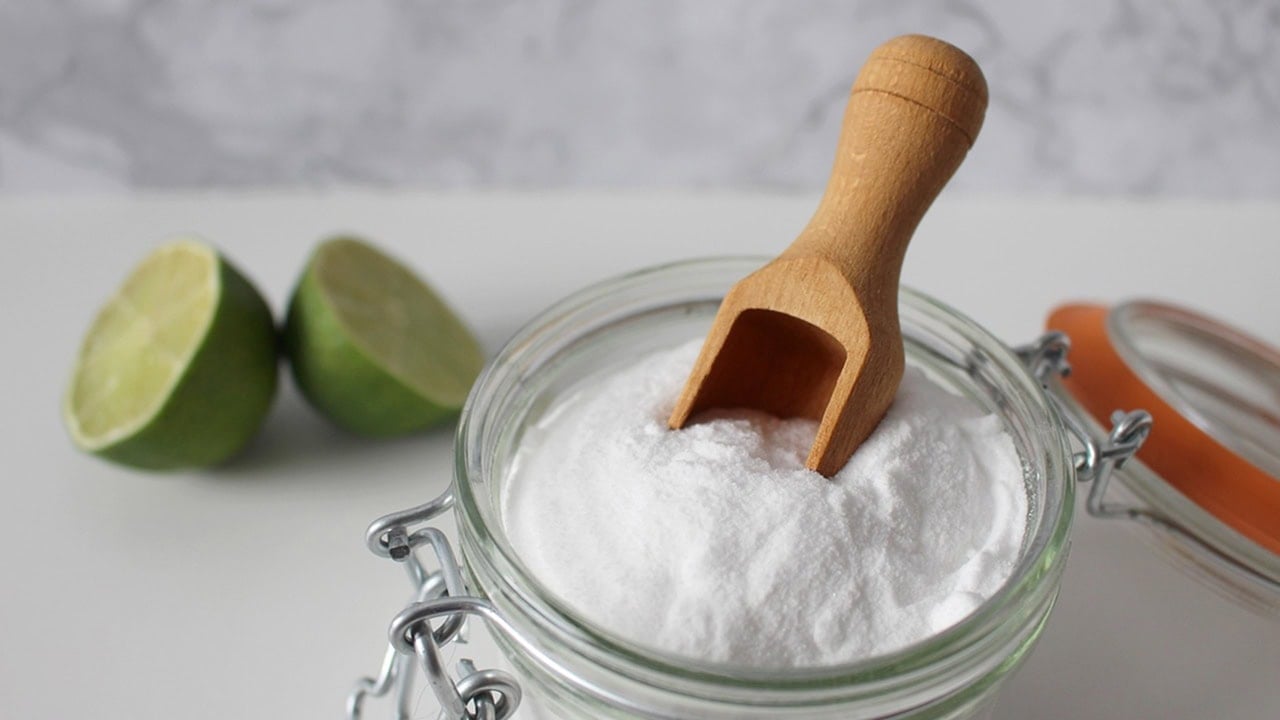
Vinegar, baking soda, lemon juice-your grandma probably used these more than any store-bought cleaner. Not because she didn't want store cleaners, but because these worked and cost next to nothing.
Basic ingredients can tackle a ton of messes around the house. You don't need ten different bottles under the sink. Once you get the hang of it, homemade cleaners save money and last longer than you'd expect.
Turning Off What's Not in Use

Lights off, TV off, doors closed-those weren't nagging rules. They were habits that saved electricity and kept costs down. You might not notice one light, but it adds up across the month.
Being aware of what's running in the background-appliances, chargers, fans-can shave real dollars off your electric bill. And your grandma knew that every little bit counts.
*This article was developed with AI-powered tools and has been carefully reviewed by our editors.






Leave a Reply