
10 money lies that cost you more than you realize
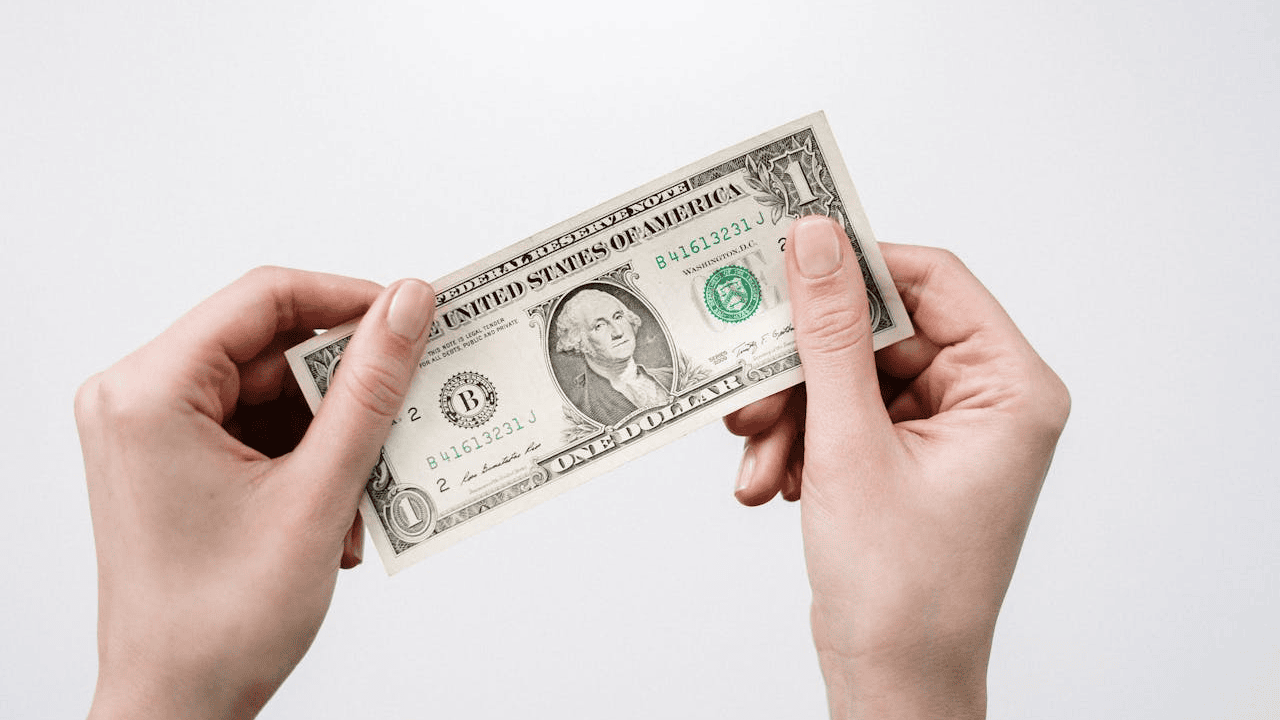
It's easy to believe things about money that feel true in the moment but end up costing you a lot in the long run. Sometimes it's advice you've heard from others, and sometimes it's little lies you tell yourself to justify spending.
Looking back, the biggest financial mistakes I've made weren't from one huge purchase, but from the mindset I carried about money. Here are ten lies that drained my wallet and why letting them go made all the difference.
I'll start saving when I make more

It's easy to think saving will be simple once you earn more. The problem is, expenses grow right alongside income. Waiting for a raise to start saving often means you'll never feel "ready."
The truth is, even a small amount set aside regularly builds momentum. Starting with what you have builds the habit, and then when your income does increase, you're more likely to keep saving instead of spending it all.
Credit card points make it worth it

Convincing yourself that earning cash back or airline miles balances out overspending is a common trap. Those rewards rarely outweigh the interest or the extra money you spend to chase them.
The real win comes from only using cards for what you can pay off in full. Anything beyond that means those "free perks" are costing you more than they're worth.
I need it because it's on sale

A discount can trick you into thinking you're saving money, but buying things you don't really need still costs you. Sales are designed to create urgency and make you feel like you're missing out.
When you only buy what you'd purchase at full price, sales can actually help you. Otherwise, the "deal" ends up cluttering your house and draining your bank account.
Everyone has debt, so it's fine

Normalizing debt is one of the most expensive lies out there. While many people carry loans or credit balances, that doesn't mean it's harmless. Interest piles up quickly, and the longer you carry it, the harder it is to get ahead.
Instead of seeing debt as normal, it helps to treat it as something temporary to get out of as quickly as possible. The less you accept it, the less likely you are to let it drag on.
I deserve a treat after a hard day
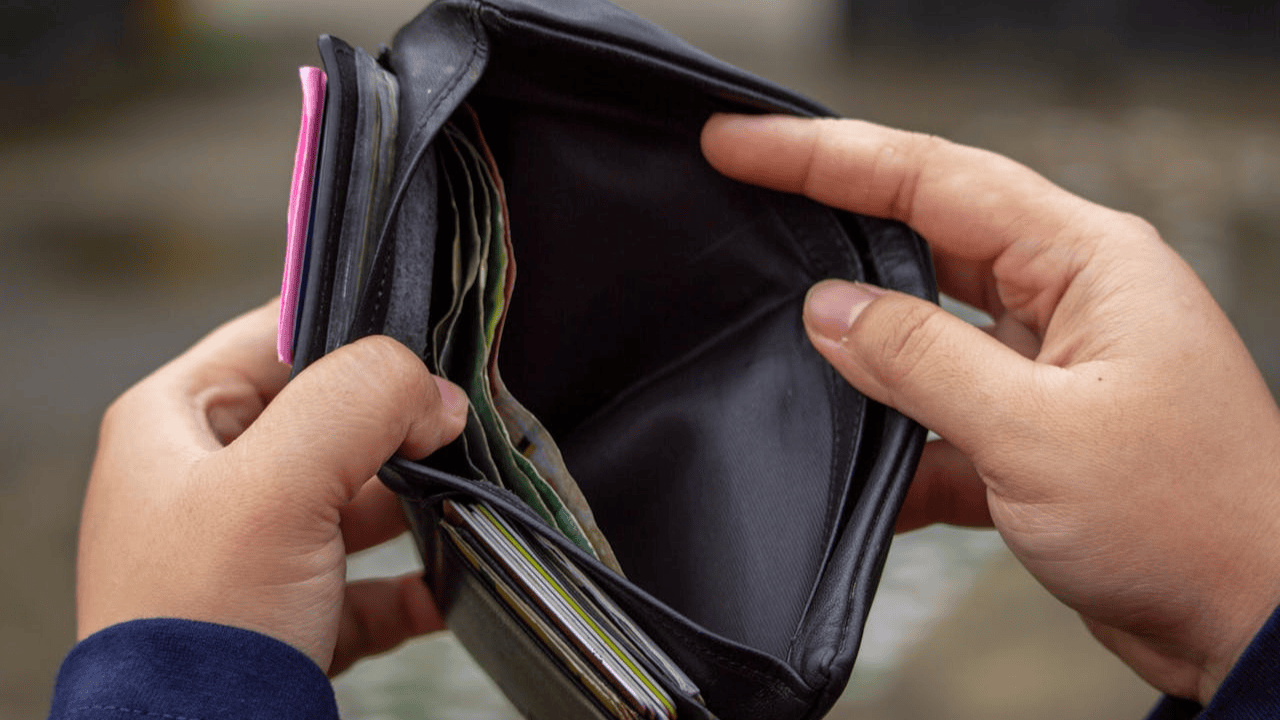
Spending as a reward feels good in the moment but often snowballs into a costly pattern. When "treating yourself" becomes the default response to stress, you end up with a lighter wallet and no lasting satisfaction.
Finding other ways to unwind-like going for a walk or calling a friend-can save you a lot. It's not that you can't have fun purchases, but tying them to emotions makes it harder to stay in control.
I'll pay it off later
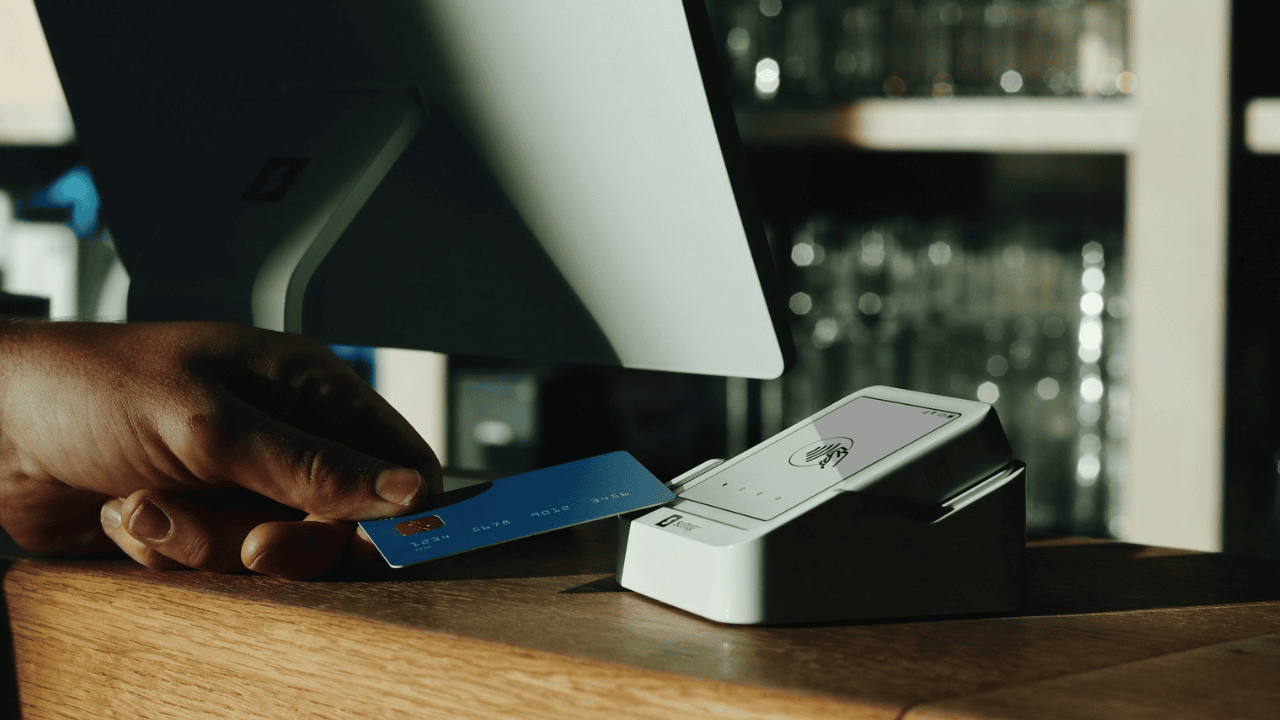
Convincing yourself you'll handle the balance "next month" is one of the easiest ways to get stuck in a debt cycle. Interest doesn't wait, and before you know it, what was a small purchase grows into something much bigger.
Paying in full up front forces you to live within your means. When you stop relying on "later," you build financial stability faster and save yourself from unnecessary stress.
More money means more happiness
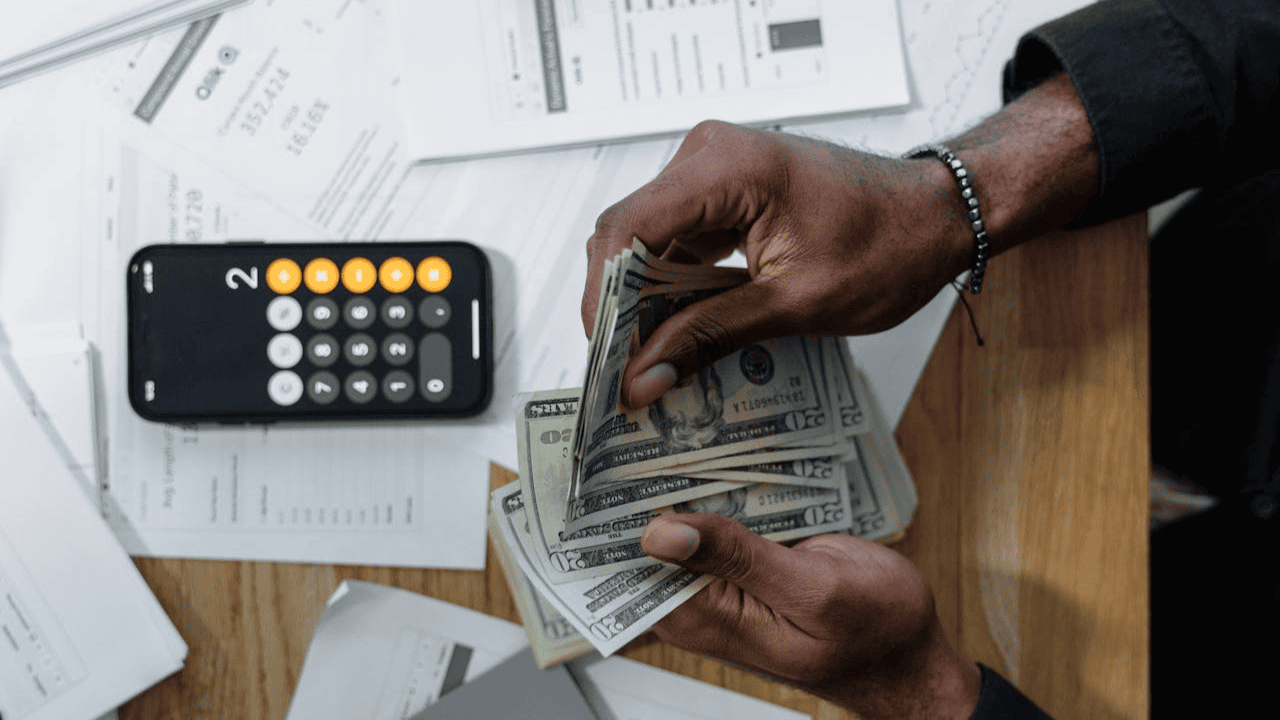
Believing that a higher income will fix everything can leave you chasing money instead of managing it wisely. While money can reduce stress by covering needs, lifestyle upgrades rarely bring the happiness you expect.
Real security and peace come from how you use your money, not just how much you make. Budgeting well, saving consistently, and avoiding debt matter more than hitting a certain number.
I'll use it someday

Holding onto things because you think they'll save you money in the future can backfire. Whether it's supplies, clothes, or subscriptions, many of those items end up unused and wasted.
It costs less in the long run to be honest about what you'll actually use. Letting go of the "someday" lie keeps both your spending and your storage under control.
I need the newest version
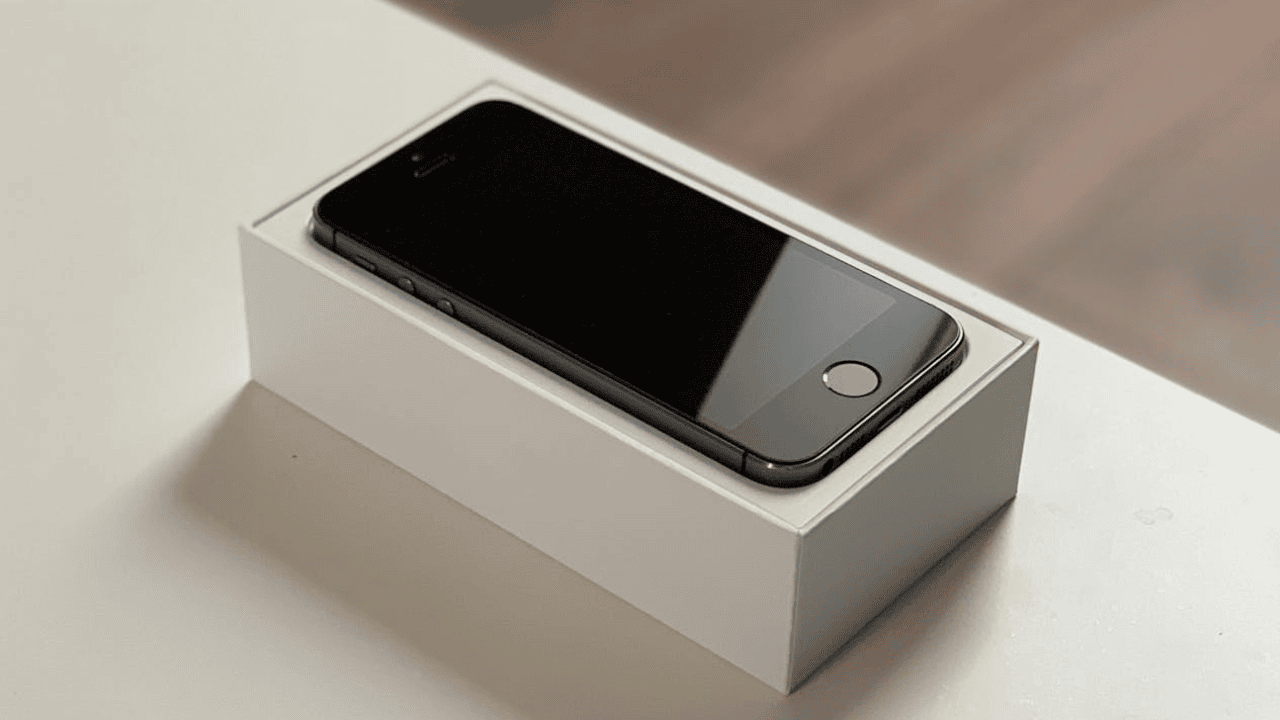
Technology, fashion, and even kitchen gadgets all push the idea that newer is better. Falling for this lie keeps you spending on upgrades you don't actually need.
Often, the older version works perfectly fine. By resisting the urge to upgrade for the sake of having the latest, you save money and get more value from what you already own.
I'll figure out retirement later

Thinking retirement planning is something you can worry about "down the road" is a costly mindset. The longer you wait, the less time your money has to grow through compounding.
Starting early, even with small amounts, makes a massive difference. The truth is, the best time to plan for retirement is always now-not someday.
*This article was developed with AI-powered tools and has been carefully reviewed by our editors.





Leave a Reply