
10 money decisions I regret from our worst year
When money gets tight, every decision feels heavier-and sometimes the ones you think will help only make things worse. Looking back on our hardest financial year, I can see exactly where we went wrong. We weren't reckless, but we made choices based on comfort, convenience, or fear instead of strategy.
Those decisions added up fast. If you've ever been through a tough season financially, these might sound familiar-and maybe you can skip a few of the lessons I had to learn the hard way.
Financing too many "small" things
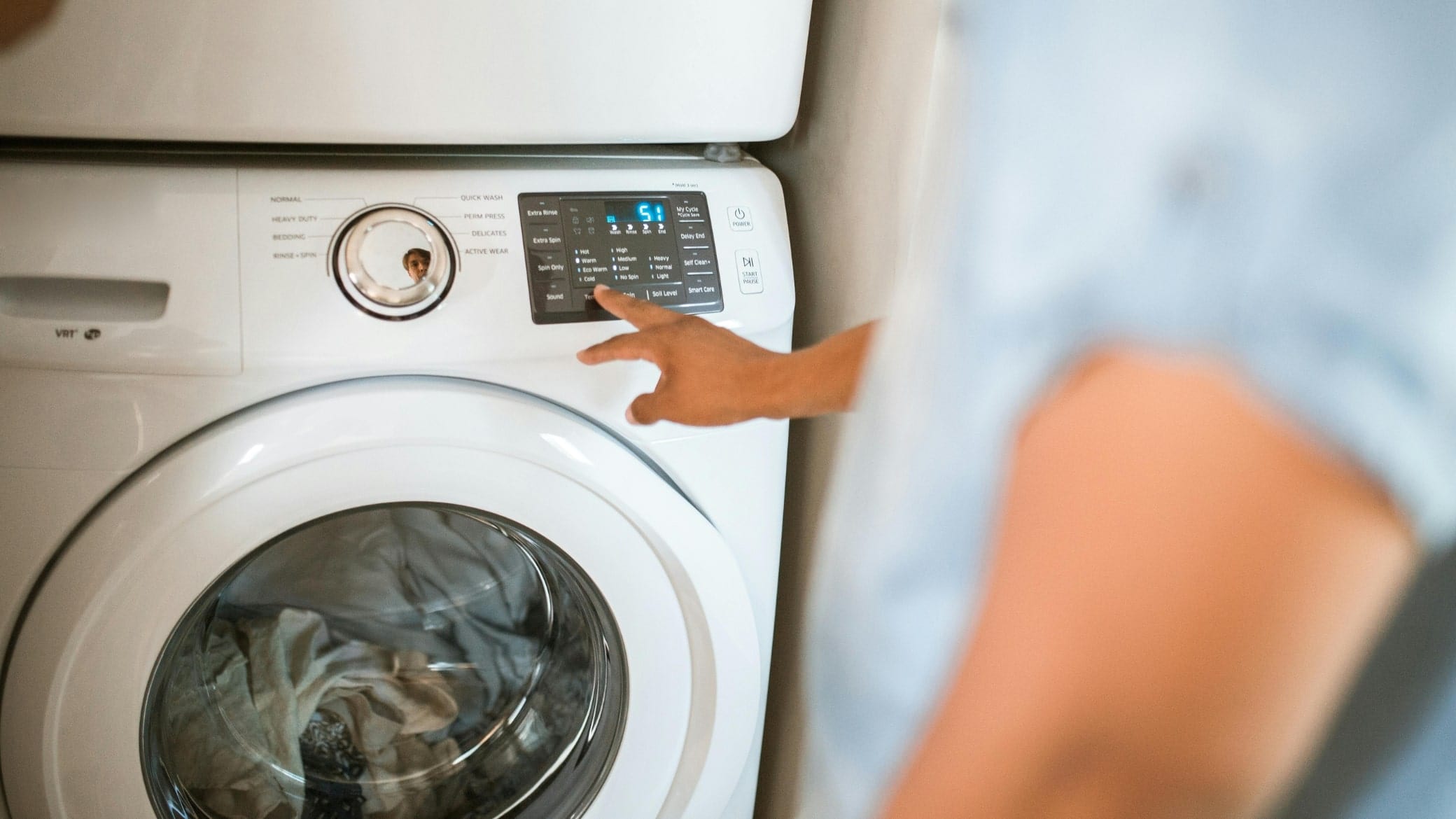
We didn't take out big loans, but we financed way too many smaller purchases-appliances, furniture, even a lawn mower. It felt manageable at the time, but those payments stacked up quickly.
When every extra dollar is tied to monthly bills, it becomes impossible to breathe financially. I learned that even a few small financing plans can lock you into a cycle that eats your flexibility for months or years.
Ignoring the grocery budget
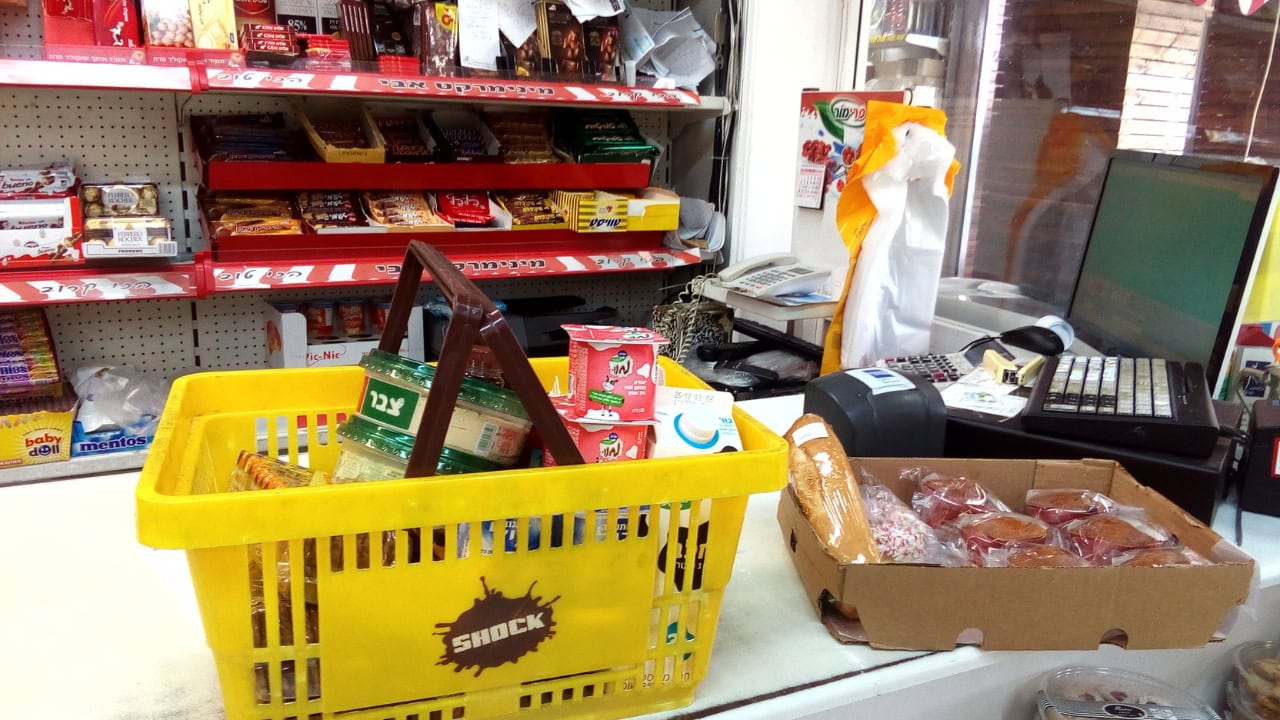
Groceries were our biggest blind spot. We told ourselves we "needed" what was in the cart, even though plenty of it went uneaten. I used convenience to justify overspending, which made meal planning harder later.
Once we finally tracked every dollar, I realized how much food waste and impulse shopping added up. A tighter grocery plan saved hundreds without feeling restrictive-it was the lack of awareness that hurt us most.
Relying on credit during "temporary" struggles
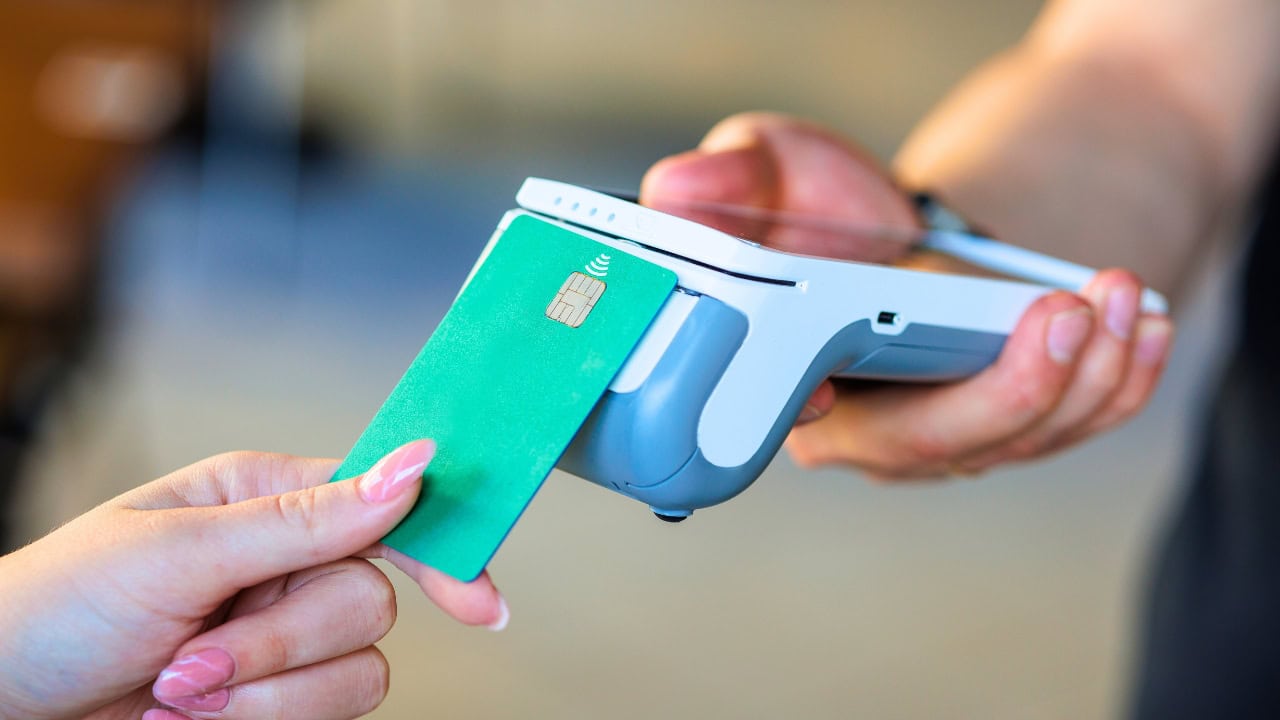
When income dipped, we leaned on credit cards, assuming things would bounce back quickly. They didn't-and by the time they did, the interest had eaten us alive.
Credit cards make survival feel easier in the moment, but that balance doesn't disappear when life improves. We paid for that decision long after the crisis ended, and I'll never rely on credit for breathing room again.
Trying to keep up appearances

We were stressed, but we didn't want anyone to know it. That meant saying yes to things we couldn't afford-dinners out, small vacations, gifts that felt "expected." It didn't make us look better. It made us broke.
Now I know that nobody's paying as much attention as you think they are. Protecting your image is expensive, and it keeps you from fixing the real problem sooner.
Delaying hard conversations

When money got tight, we didn't sit down and fully face it. We handled things as they came, instead of working as a team. Avoiding the numbers gave them more power.
The stress built until it started affecting everything-sleep, relationships, and even confidence. Once we finally put it all on paper, it wasn't as bad as it felt. The hard part was being brave enough to start.
Ignoring maintenance
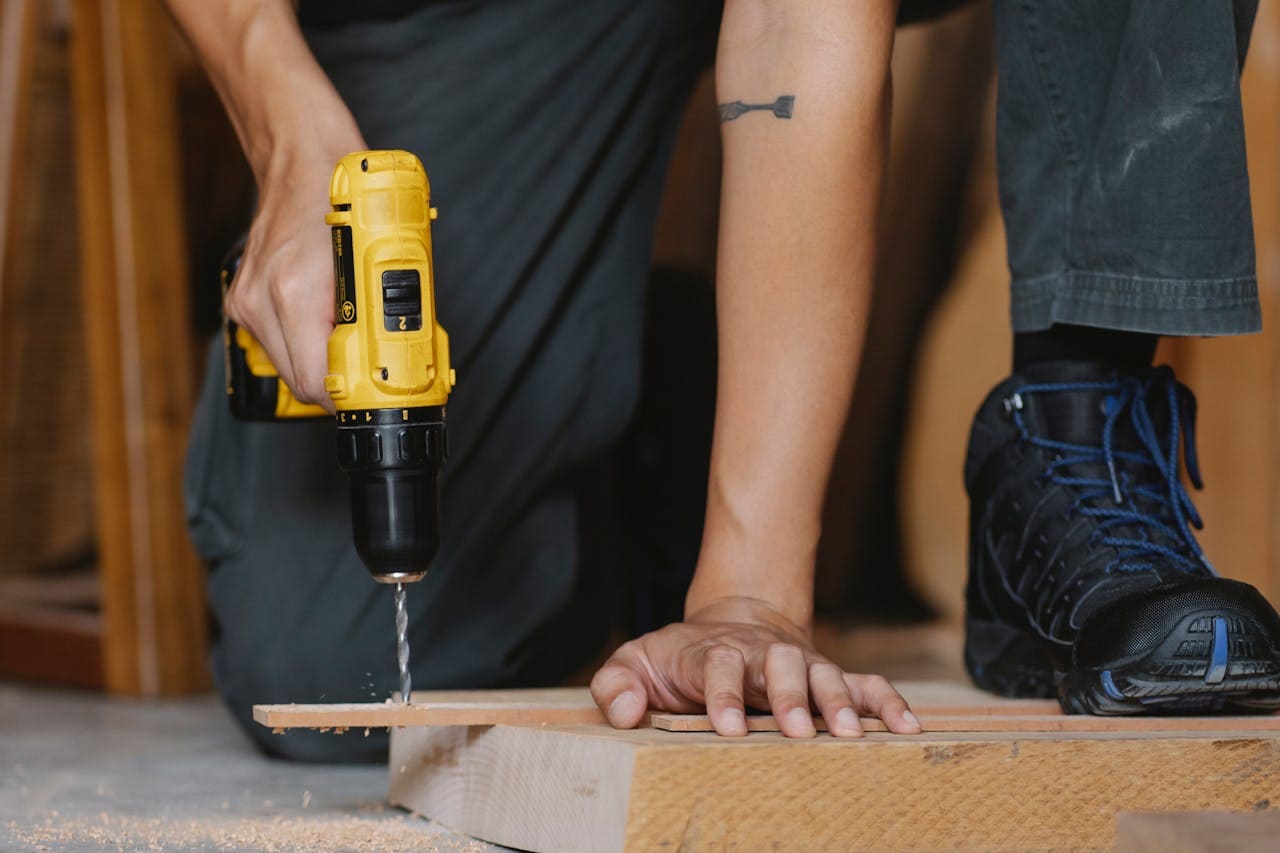
We thought skipping maintenance would save money-like stretching oil changes, skipping tune-ups, and pushing off small home repairs. It did the opposite.
When things broke, they cost twice as much to fix. That year taught me that prevention is cheaper than repair, even if it feels inconvenient. Maintenance is one of the few things that always pays for itself.
Buying cheap replacements
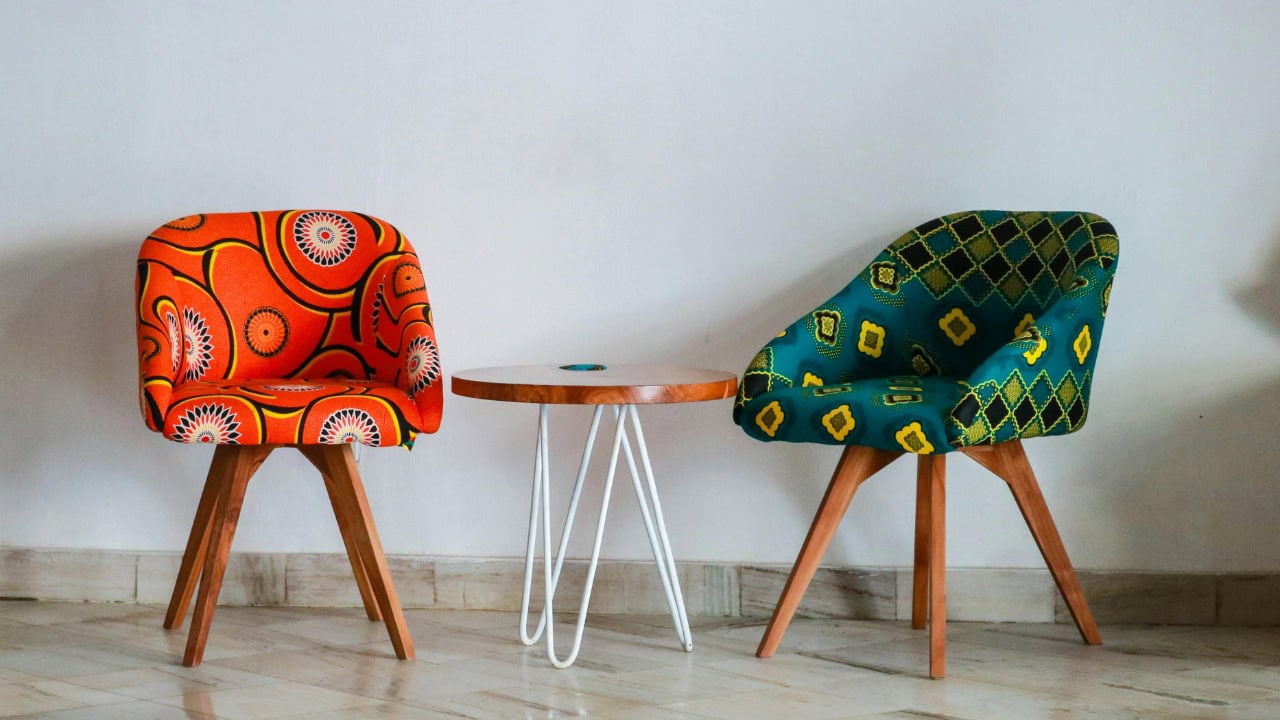
Instead of saving for quality, we'd replace things with the cheapest option available. It felt like a win-until those same items broke months later.
We spent more re-buying than we would've spent buying once. Now, I wait and buy the thing that lasts. Cheap isn't frugal when it keeps failing.
Ignoring subscriptions
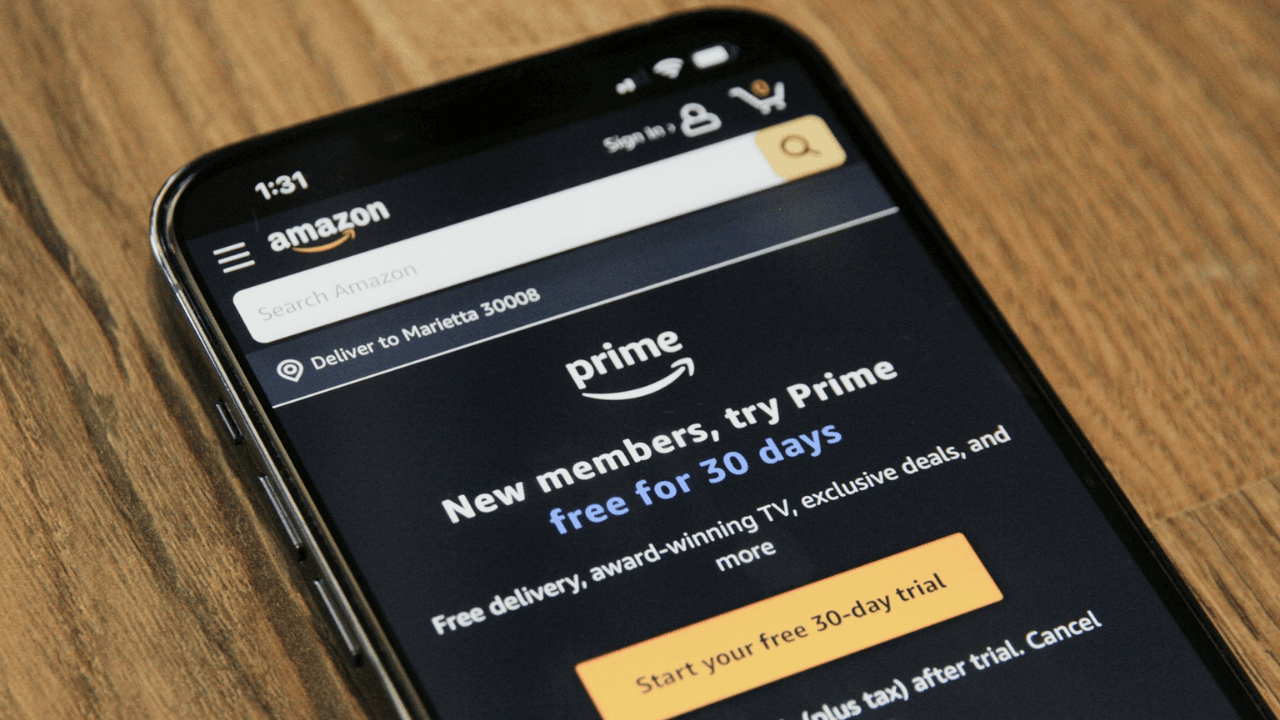
Streaming, apps, memberships-they all seemed small enough to ignore. But when we finally reviewed them, we found dozens of "only $10 a month" charges draining our account.
Those small recurring expenses hide easily because they don't feel like spending. Cutting them was one of the fastest ways to free up money we didn't realize we were losing.
Not setting boundaries with family spending

We wanted to be generous, but we didn't set limits. Covering small family expenses or gifts added up more than we realized. It came from a good place but left us stretched thin.
Once we set clear boundaries, we could give intentionally without resentment. Generosity works best when it doesn't pull you underwater.
Avoiding change out of pride
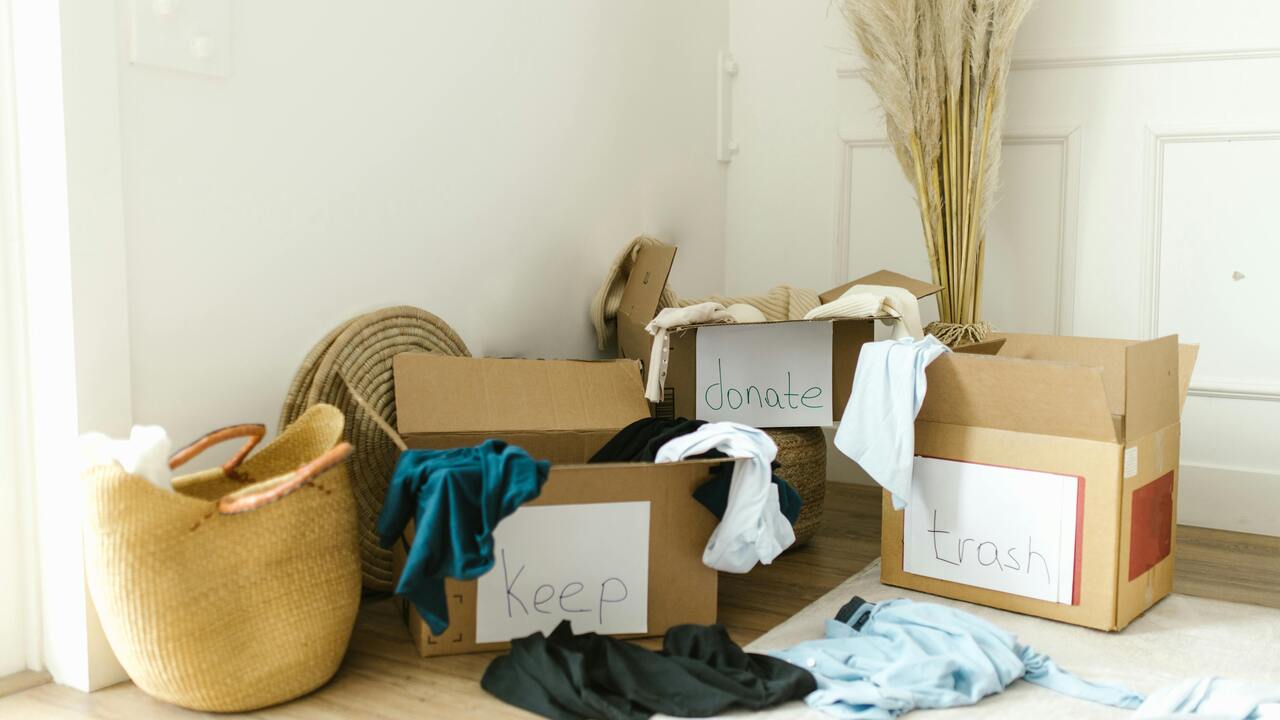
We waited too long to make adjustments-like downsizing, selling things, or finding side work-because we didn't want to admit how bad it was. Pride made us poor longer.
Once we got honest, the pressure lifted fast. Changing direction isn't failure-it's recovery. That year humbled us, but it also taught us how to live wiser and simpler moving forward.
*This article was developed with AI-powered tools and has been carefully reviewed by our editors.






Leave a Reply