
Buying a car feels exciting - until you realize how easy it is to start making costly mistakes right after driving it home. Whether it's skipping basic maintenance or misunderstanding your insurance, those first few weeks set the tone for how your car will hold up (and how much it'll cost you long term).
A little awareness early on saves you a lot of frustration down the road. Here are the common post-purchase mistakes most drivers don't realize they're making until it's too late.
Ignoring the break-in period

New engines need time to settle in, even with modern manufacturing. Pushing your car too hard right away - like flooring it or towing heavy loads - can lead to uneven wear or reduced efficiency over time.
Most manufacturers recommend going easy for the first 500 to 1,000 miles. That means varying your speeds, avoiding aggressive acceleration, and keeping RPMs moderate. Treating your car gently early on helps the engine perform better in the long run.
Skipping the first oil change
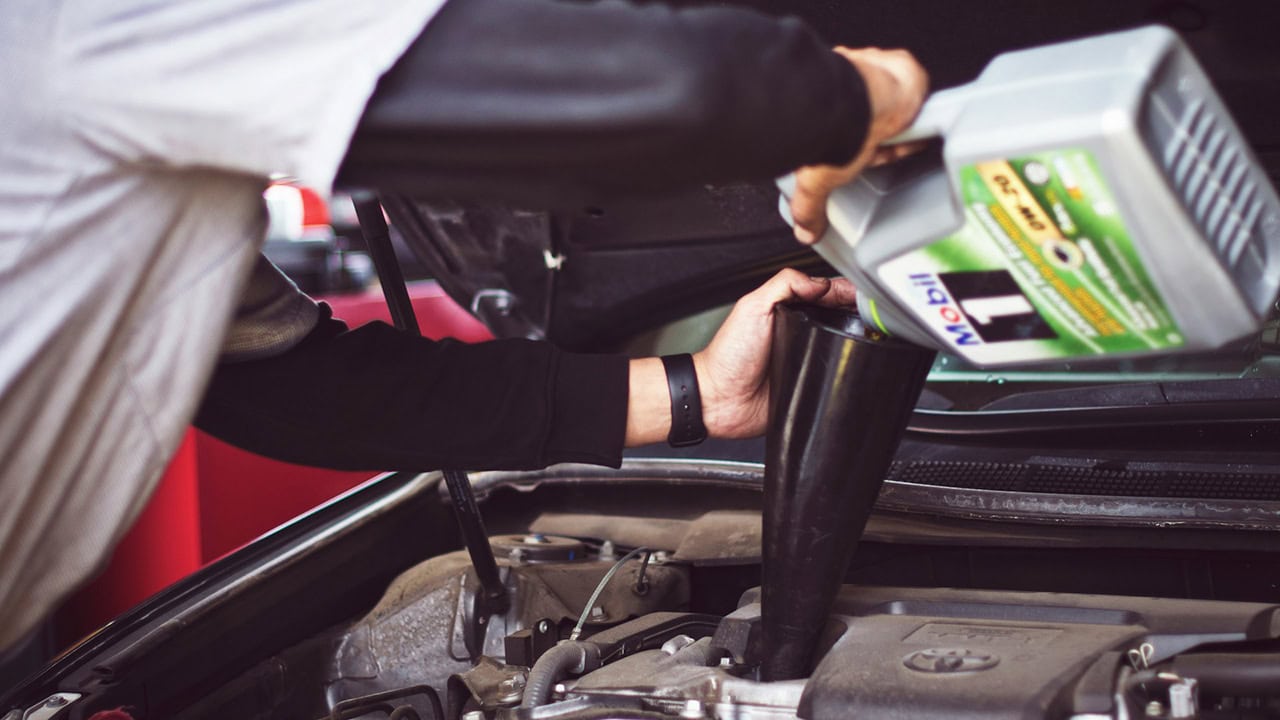
Some people think they can go 7,000 miles or more before their first oil change, but that's risky on a new engine. Early oil changes remove metal shavings and debris from the break-in process.
Even if your manual says you can wait, changing the oil within the first few thousand miles is cheap insurance. It sets your car up for cleaner operation and helps avoid early wear.
Not reviewing your warranty details
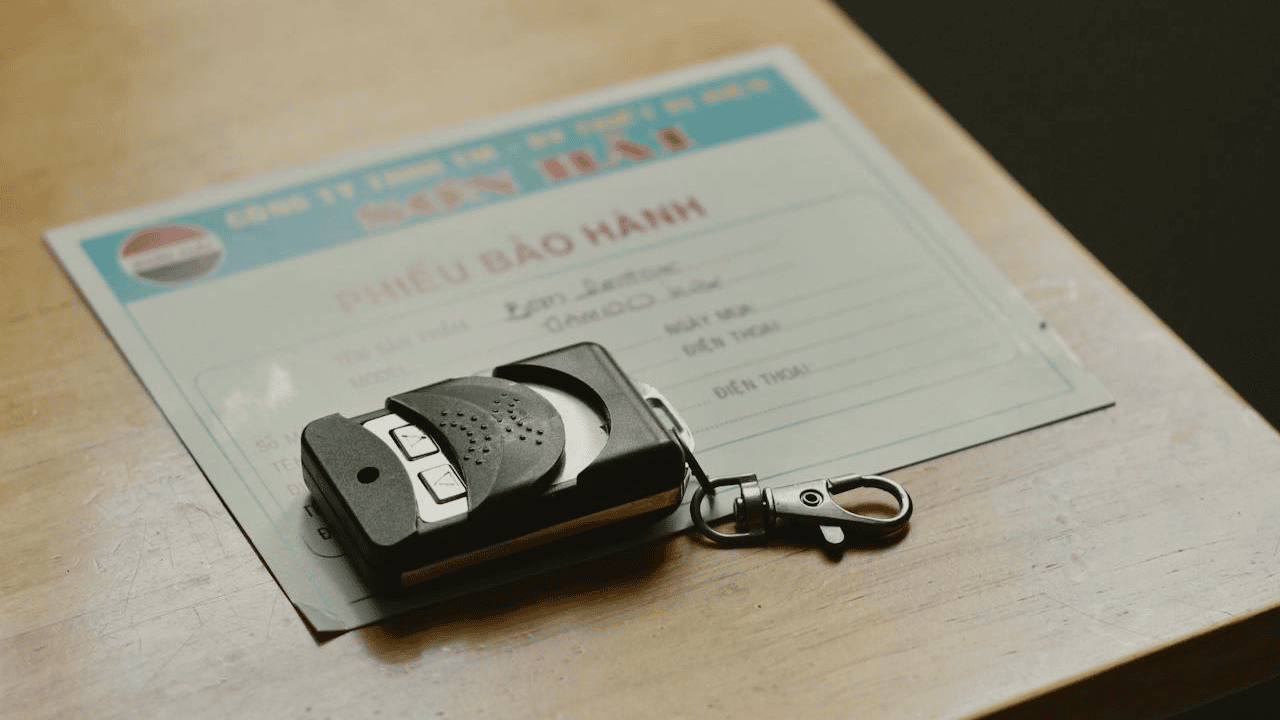
Many people assume the warranty covers everything, only to find out later that maintenance, wear items, or certain repairs aren't included. Each warranty has different terms for what's covered and for how long.
Take time to read through it and understand what's excluded - things like tires, brake pads, and fluids usually aren't. Knowing this upfront prevents expensive surprises later when something fails.
Forgetting to register or transfer the title
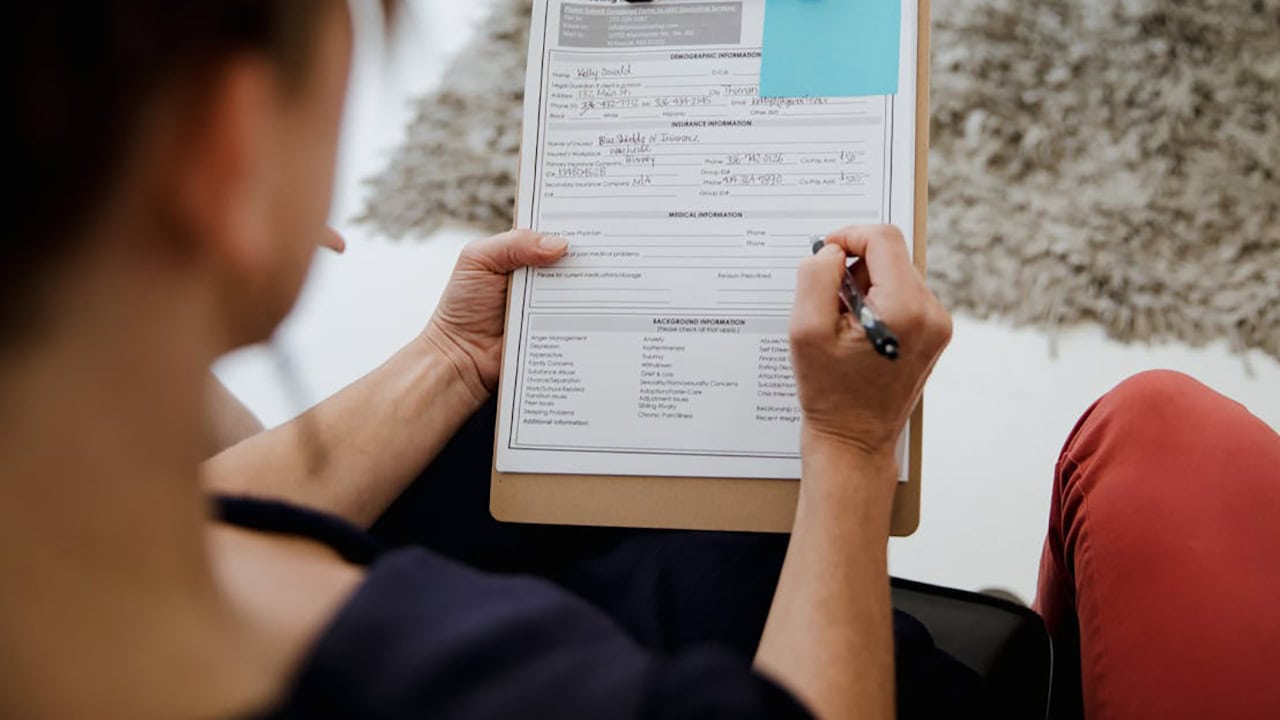
You'd be surprised how many people drive around without officially transferring ownership or renewing their registration in time. Missing the deadline can lead to fines or complications if you ever get pulled over.
Handle your title and registration paperwork as soon as possible after buying your car. It's one of those small administrative details that can cause big headaches if you put it off.
Skipping insurance coverage adjustments
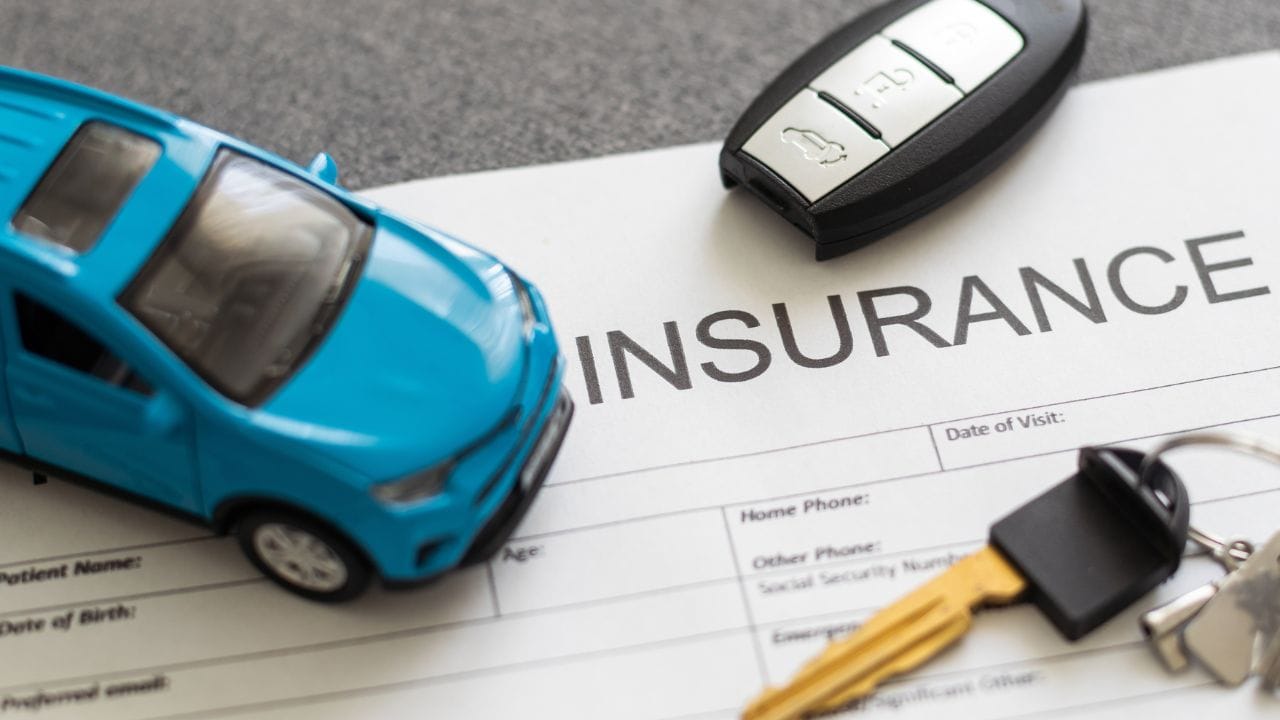
When you buy a new car, your old policy might not fully cover it. Many drivers forget to adjust their insurance right away, leaving gaps in coverage.
Call your provider immediately after purchase to make sure your limits and deductibles fit your new car's value. It's also a good time to compare quotes - new vehicles sometimes qualify for lower rates due to safety features.
Financing without checking the fine print

Dealership financing can be convenient, but it's not always the best deal. Some buyers sign quickly without realizing they've accepted high interest rates or unnecessary add-ons.
Take time to review the full loan terms before signing. Even a one-percent difference in interest can add up to thousands over the life of the loan. If possible, shop rates through your bank or credit union first.
Ignoring maintenance reminders
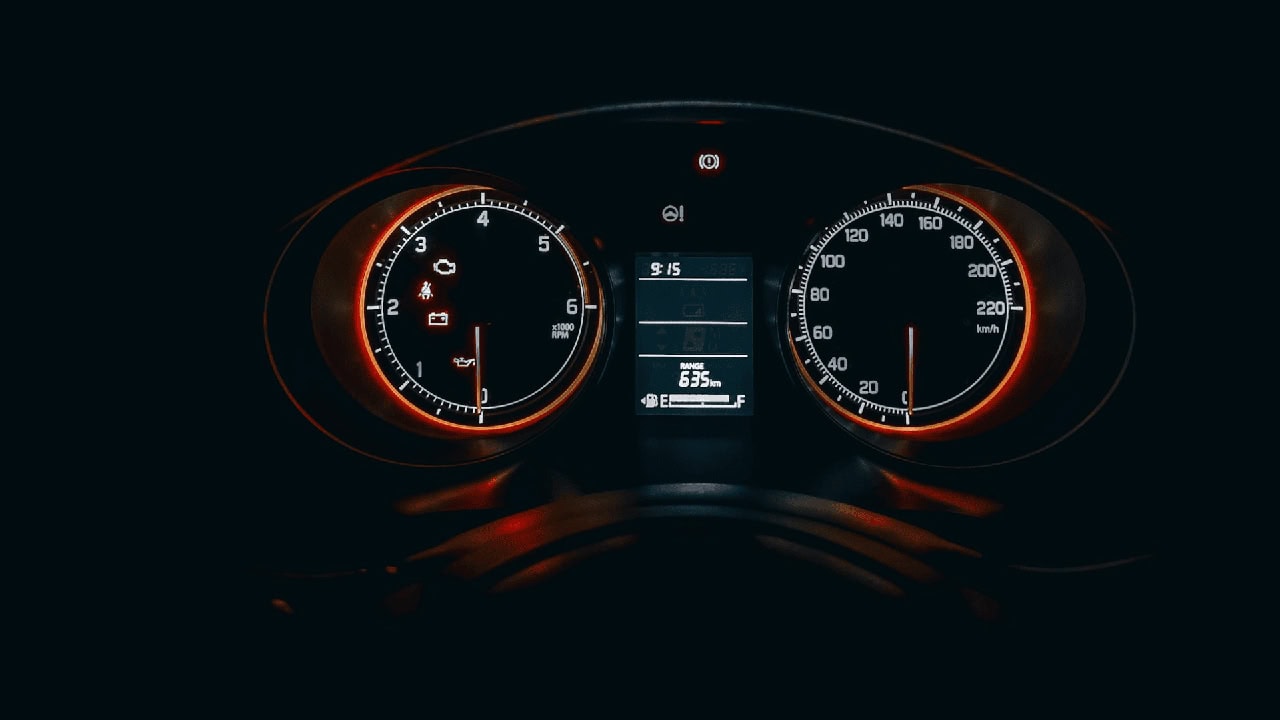
Most new cars have built-in maintenance reminders, but many drivers ignore them until the dash lights start flashing. Skipping routine checks early on can shorten the life of your engine and other key components.
Even if the car feels brand new, it still needs regular oil, tire, and fluid checks. Keeping up with maintenance right away builds good habits that protect your investment.
Not checking tire pressure or alignment
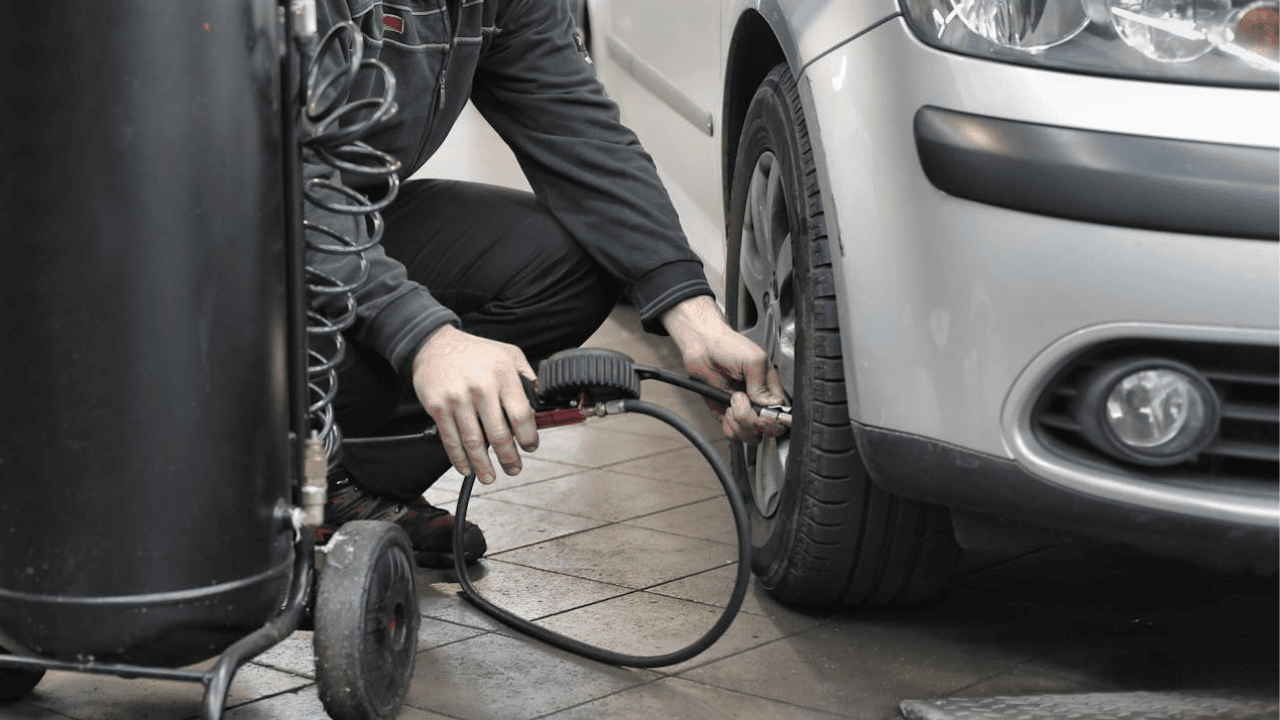
Dealers don't always deliver cars with perfect tire pressure or alignment. Underinflated tires wear faster, hurt fuel economy, and can affect handling.
Check the tire pressure within the first week and after any long drive. Getting an alignment done early on ensures you're not fighting uneven wear or drifting on the highway.
Forgetting to budget for taxes and fees

That monthly payment might look good on paper until registration fees, sales tax, and inspection costs show up. Many new owners forget to account for these extra expenses.
Plan ahead and set aside a little cushion after purchase. That way, the added costs don't throw off your budget or lead to missed payments.
Leaving the dealer's extras untouched
A lot of cars leave the lot full of dealer add-ons - plastic wrap on floors, temporary plates, or even outdated promotional stickers. Leaving them on too long can damage paint or trap moisture.
Give your car a quick once-over once you get home. Remove anything you don't need, check that all protective films are gone, and make sure everything's set up properly for real use. It's a small step that helps your new ride stay in top shape.
*This article was developed with AI-powered tools and has been carefully reviewed by our editors.






Leave a Reply