
Keeping up with bills is hard enough without sneaky costs draining money you don't even realize you're spending. The truth is, many homes have small "leaks" that add up fast-not just water, but energy and wasteful habits that quietly eat at your budget.
Once you start spotting them, you realize they're costing you month after month. Fixing these doesn't take much effort, but it can put money back in your pocket and keep your house running smarter.
Dripping Faucets
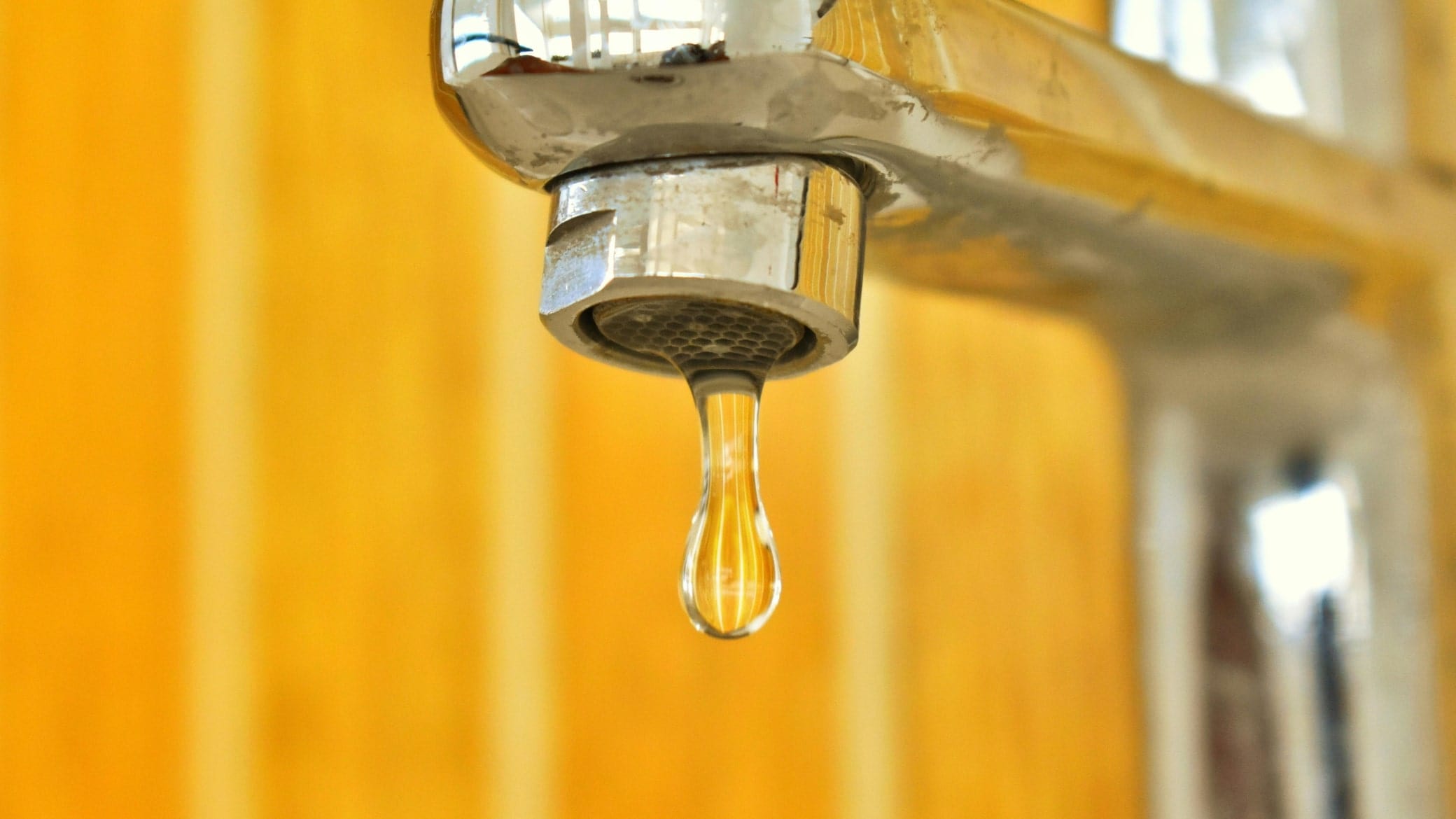
A faucet that drips a few times a minute doesn't seem like much, but over a month, it can waste gallons of water. Even a slow drip can cost you a few extra dollars on your water bill without you realizing it.
Most of the time, it's a worn-out washer or O-ring that's easy to replace. By tightening things up or swapping out that part, you stop the leak and cut the waste. A small repair kit costs a fraction of what you'd lose letting it drip all year.
Running Toilets
Toilets that never stop running are one of the biggest hidden water leaks in a house. You might hear it now and then, but if it's happening all day, you're paying for water that's not even being used.
The fix is usually a flapper or fill valve issue. Both are inexpensive and easy to replace without calling a plumber. Tackling this saves dozens of gallons a day, which can cut several dollars off your monthly bill.
Phantom Power from Electronics
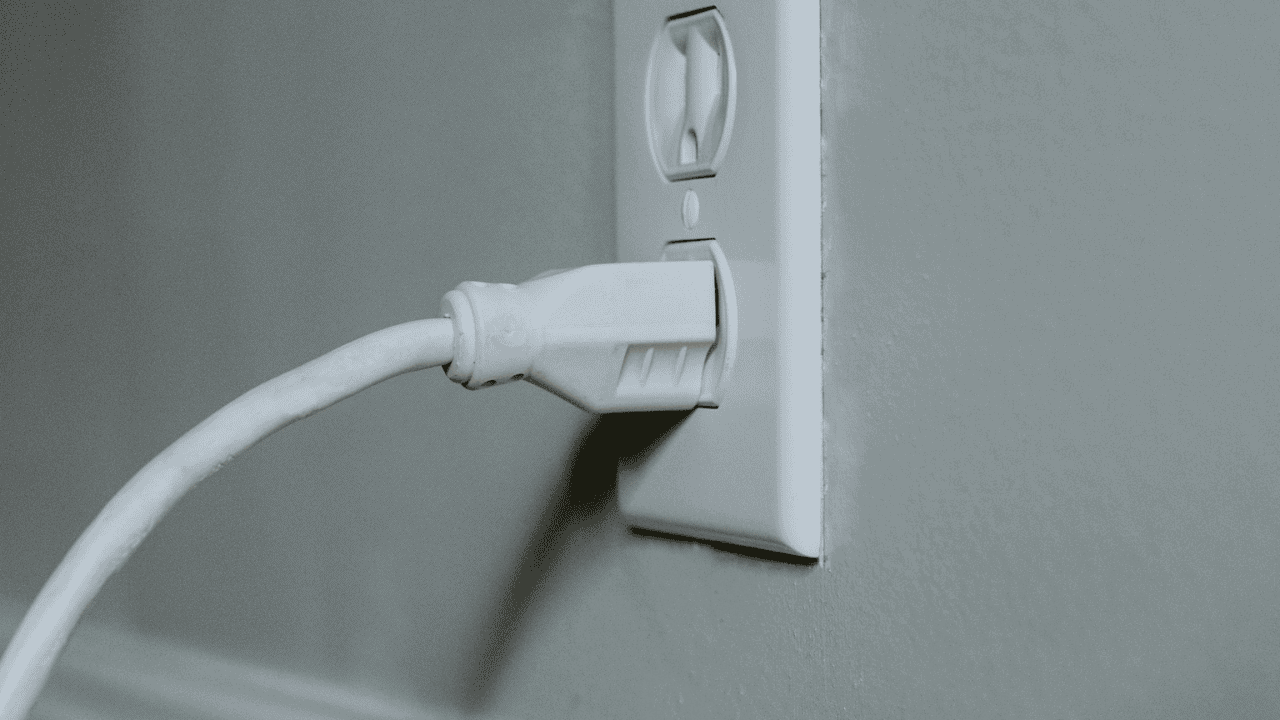
Chargers, game consoles, and small appliances keep pulling power even when you're not using them. This "phantom load" might not seem like much, but when you add up every plugged-in device, it costs you real money.
Using a power strip makes it easy to shut everything off at once. Unplugging items you rarely use, like extra TVs or printers, can trim a noticeable amount off your electric bill without changing your lifestyle.
Old Light Bulbs
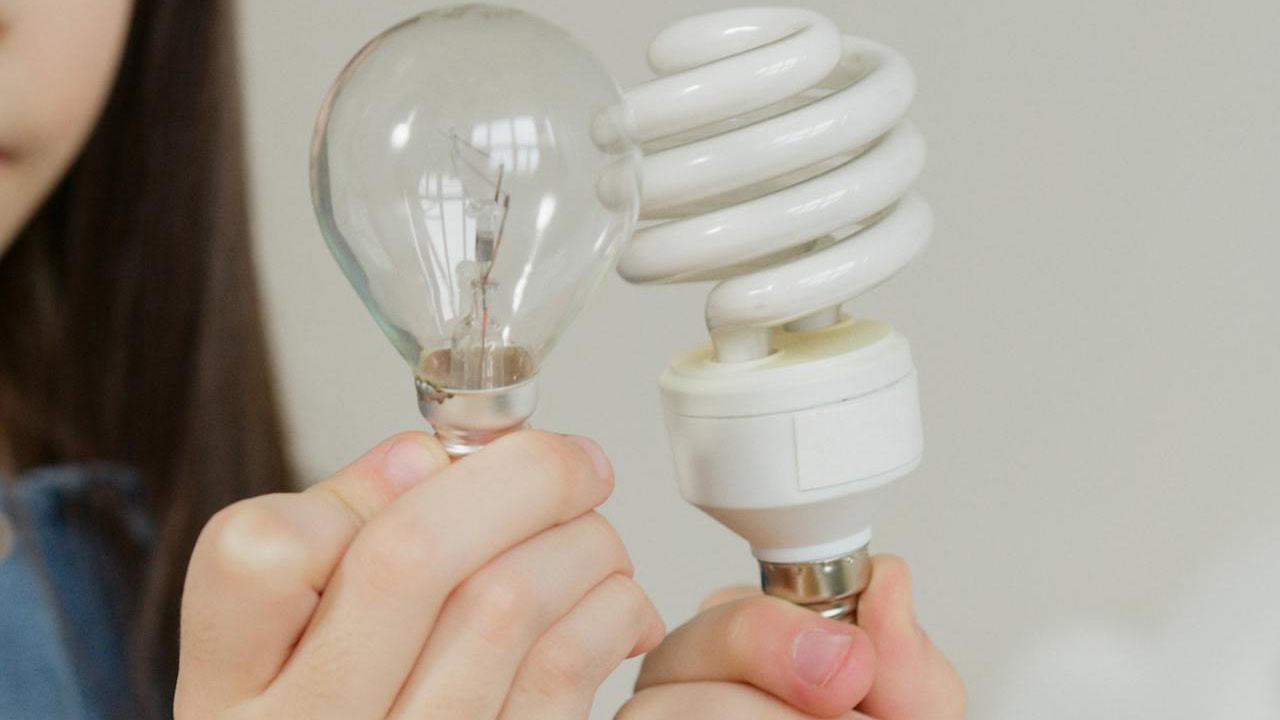
If you still have incandescent or halogen bulbs in your house, they're burning money every time you flip the switch. They use far more electricity than LEDs, which means higher bills month after month.
Switching to LEDs doesn't just lower your electric bill-it also saves on replacements since they last so much longer. Even if you replace a few bulbs at a time, you'll notice a difference on your next bill.
Drafty Windows
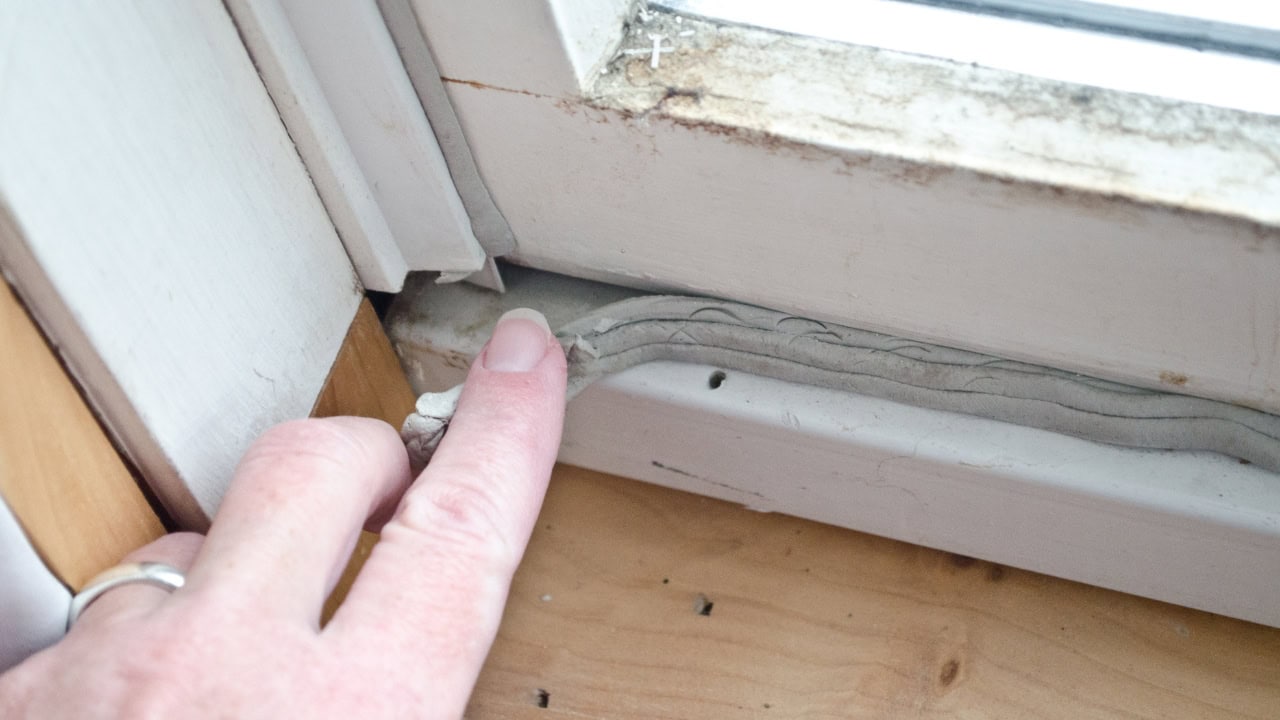
A small draft may not feel like much, but in heating and cooling seasons, it means your system is working harder to keep up. That translates into wasted energy and higher bills.
Sealing gaps with weatherstripping or using inexpensive draft stoppers can make a big difference. It keeps the air you're paying to heat or cool inside, instead of leaking out through cracks.
Uninsulated Outlets
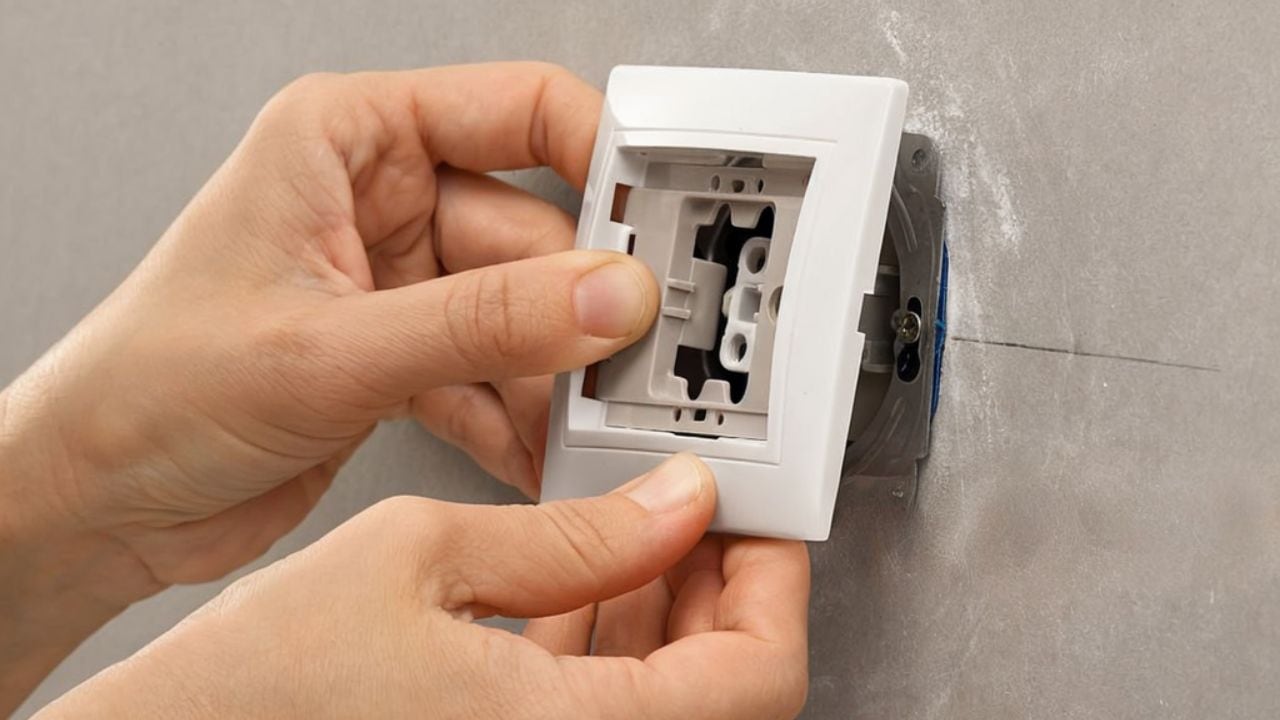
Electrical outlets on exterior walls often let outside air leak into your home. It's one of those things you don't notice until you put your hand near them in winter or summer and feel the air coming through.
Foam outlet gaskets are cheap and quick to install. They help seal off that hidden leak, keeping your energy costs down and your house more comfortable year-round.
Old Showerheads
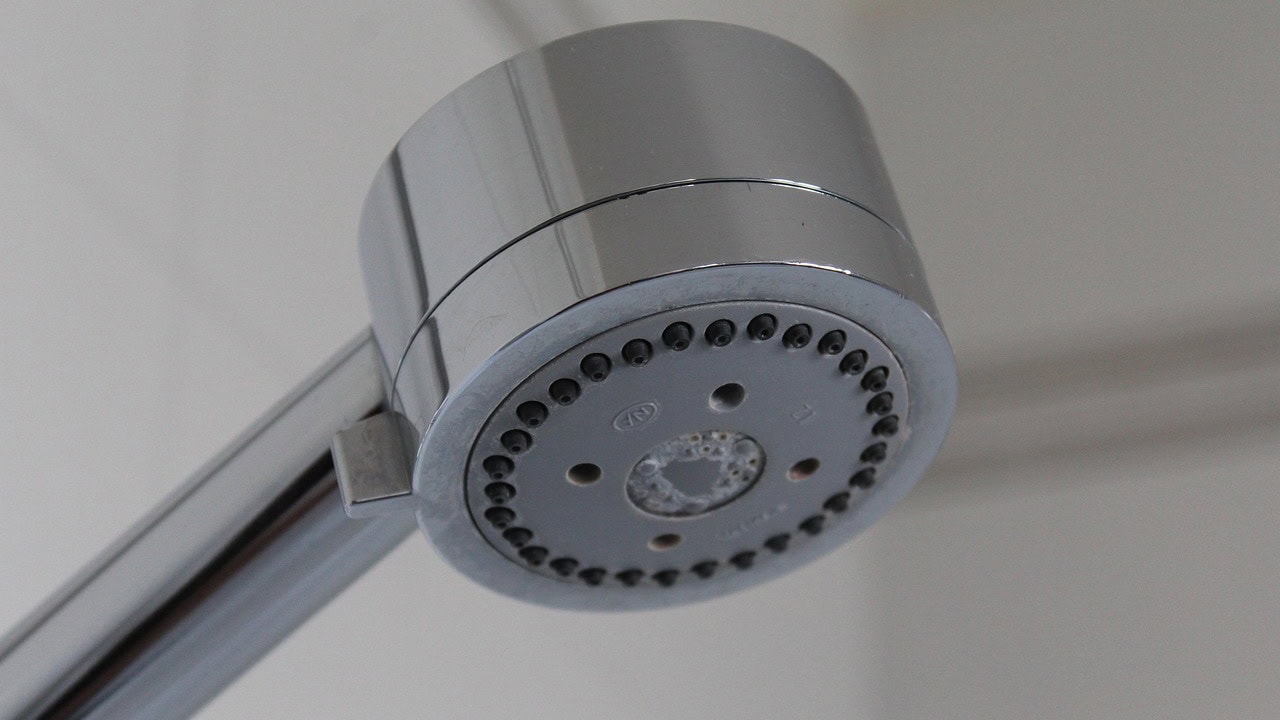
An older showerhead can use twice the water of newer low-flow models. That means every shower adds up to more gallons wasted and a higher monthly bill.
Upgrading to a water-efficient showerhead cuts down your water use without making your shower feel weak. Most models are inexpensive and pay for themselves in savings within a couple of months.
Leaky Hoses Outside

Outdoor hoses and spigots are easy to forget about, but they can waste a lot of water if they're leaking. Even a small drip adds up fast when it's running all day and night.
Replacing a worn washer or tightening the connection usually fixes the problem. Covering outdoor spigots in winter also prevents freeze damage that can turn into a much bigger and more expensive leak.
Old Appliances
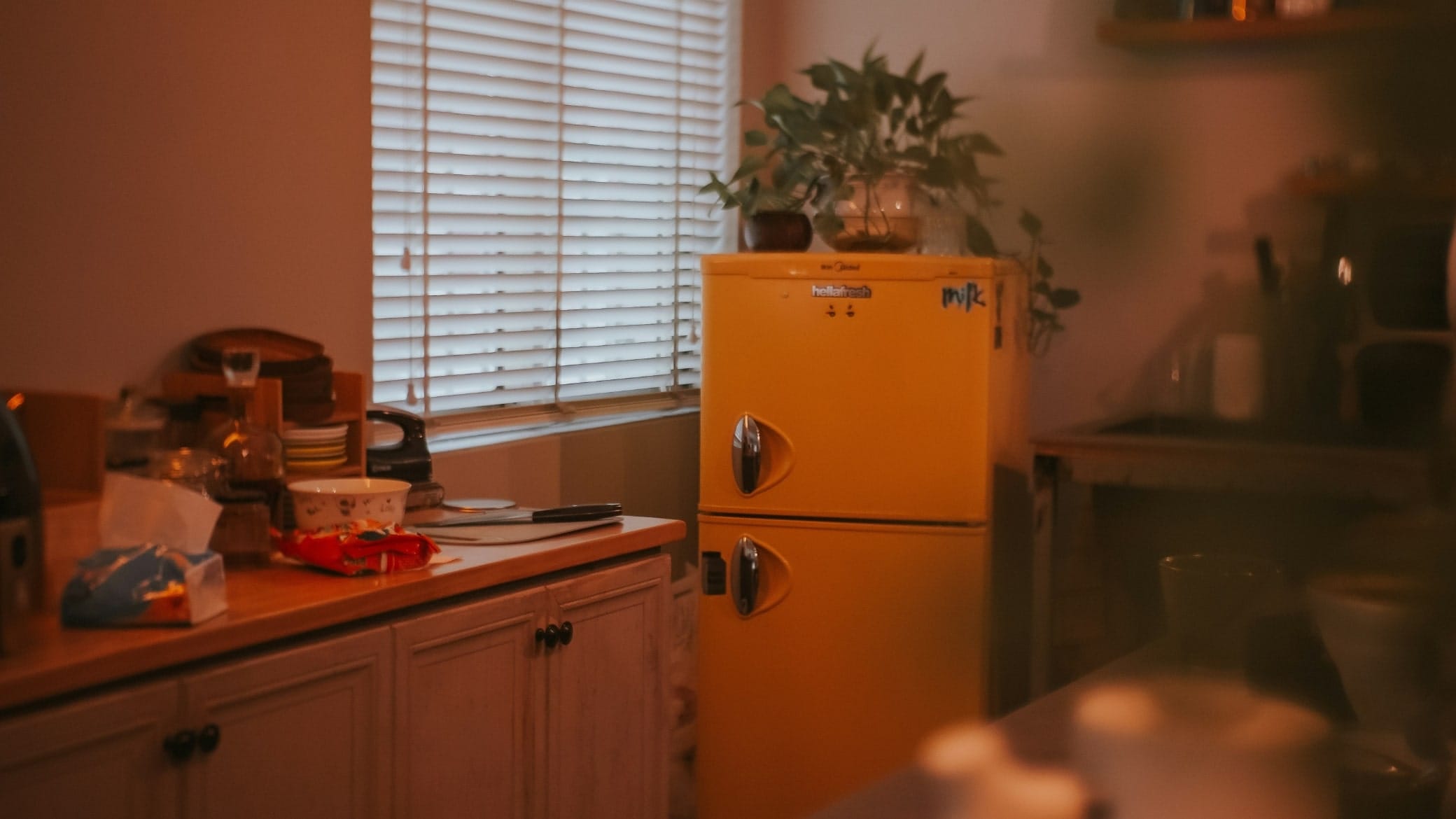
Older refrigerators, dishwashers, and washers use far more water and electricity than newer models. Even if they're still running, they could be quietly adding $20 or more to your monthly bill.
If you're not ready to replace them, keeping them clean and well-maintained helps. For example, vacuuming refrigerator coils or running full loads in your washer can reduce wasted energy until you're able to upgrade.
Overwatering the Lawn
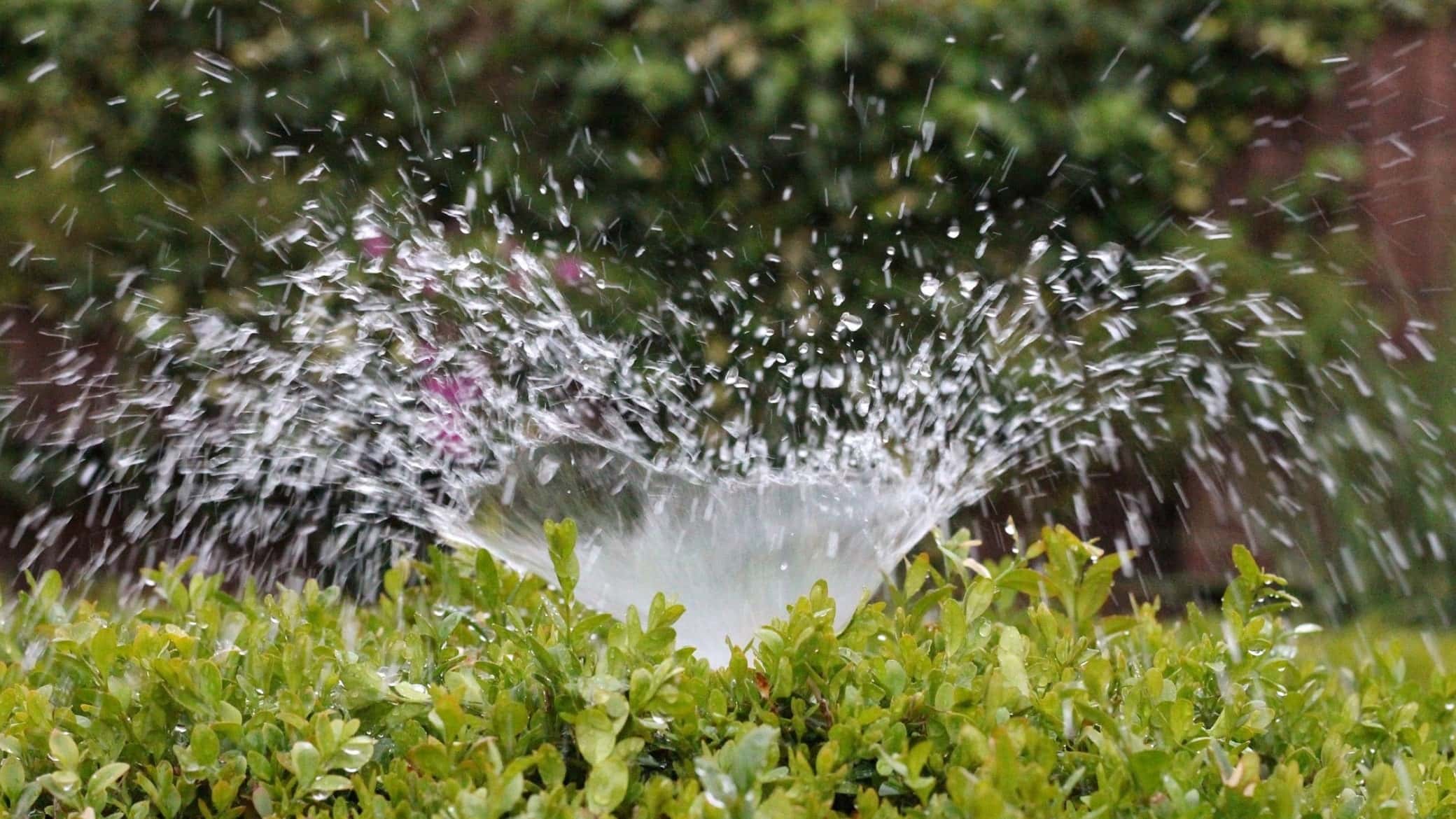
Sprinklers that run too long or at the wrong time of day waste gallons of water. Not only does it raise your bill, but it can also damage your yard by drowning grass and encouraging weeds.
Watering early in the morning and checking your system for leaks can help you cut back. Using a timer also keeps you from forgetting and leaving sprinklers running longer than needed.
*This article was developed with AI-powered tools and has been carefully reviewed by our editors.






Leave a Reply