
10 lies you keep telling yourself that are keeping you broke

Most people don't stay broke because they don't make enough-they stay broke because they keep believing lies that make bad habits feel reasonable.
These thoughts sound harmless, even responsible, but they quietly keep you stuck. Once you start catching them, you realize how much they've shaped your spending, your priorities, and even how you see money.
The truth hurts a little at first, but seeing these lies clearly is what finally breaks the cycle.
"I'll save when I make more"

If you don't save when you're broke, you won't save when you're comfortable. The habit doesn't suddenly appear when your paycheck grows-it's built in the seasons when it's hardest to do.
Start small. Even $10 a week matters because it trains you to prioritize saving. Once you make more, you'll already know how to keep money instead of watching it disappear.
"I need this to make life easier"
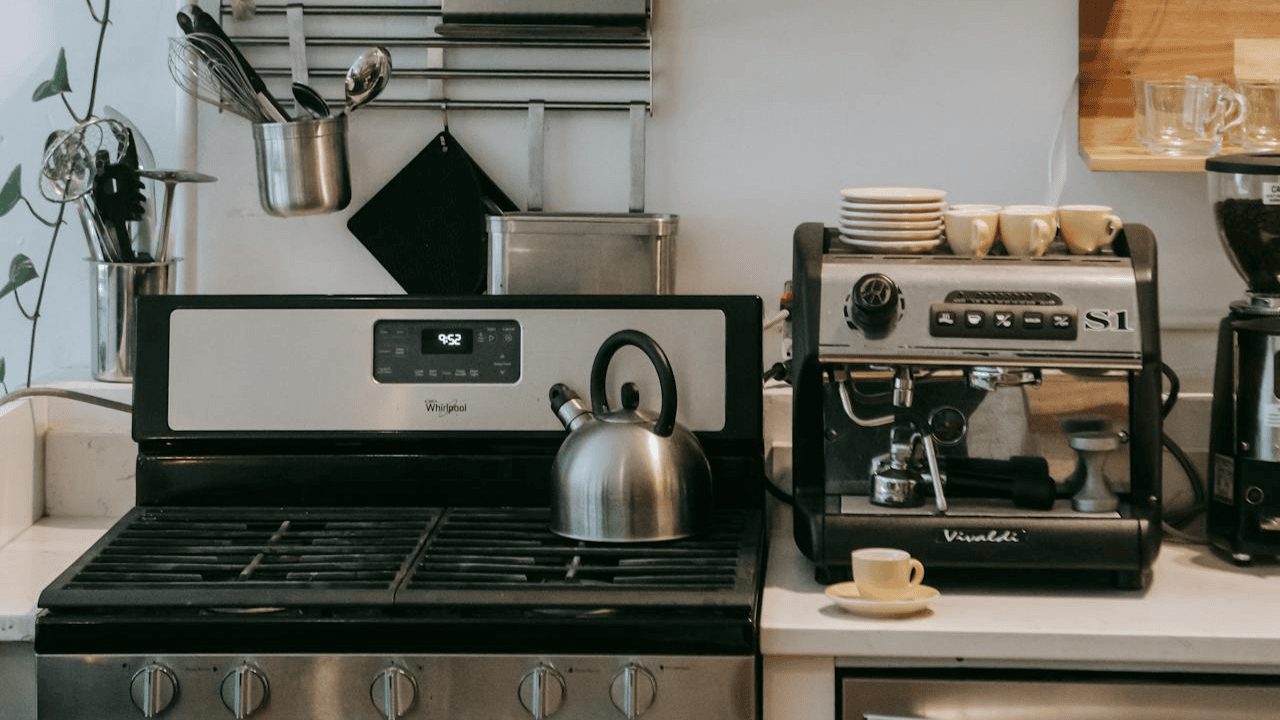
It's easy to convince yourself that buying something will make your day smoother-a gadget, subscription, or upgrade that promises convenience. But most of the time, it adds clutter and costs more time to manage.
Before buying, ask if it's actually saving time or just making you feel productive. If it's not giving you real breathing room, it's draining your wallet.
"It's only a few dollars"

Small spending doesn't feel dangerous until you add it up. Coffee runs, impulse snacks, or "quick" online buys add up to hundreds a month without you realizing it.
When you track where every dollar goes, you stop treating small purchases like they're harmless. The truth is, it's rarely the big buys that wreck your budget-it's the constant drip of little ones.
"I'll start budgeting next month"

Next month never comes. If you wait until life slows down or feels more stable, you'll keep putting it off forever. There's no perfect time-there's only now.
Start messy. Write down what you spend for a week. You'll learn more from that one habit than from waiting for a system that feels "ready."
"I deserve it"

You do deserve nice things-but not at the expense of your stability. Using that phrase to justify every impulse buy keeps you broke and stressed.
You can still treat yourself, but plan for it. Budgeting for fun money doesn't make you cheap-it keeps you from resenting the bills that actually matter.
"Everyone has debt"
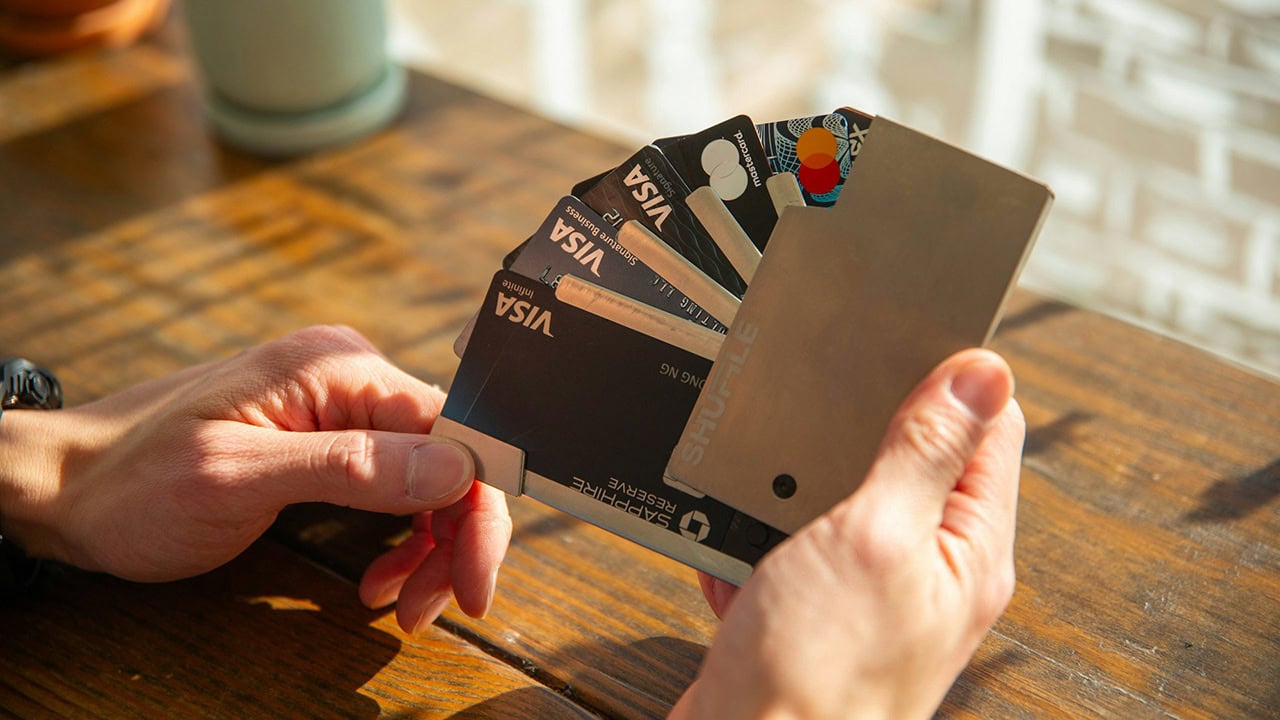
Normal doesn't mean healthy. Using that logic gives you permission to stop trying. Debt might be common, but that doesn't make it a good long-term plan.
Once you stop normalizing debt, you start taking it seriously. The freedom of living without monthly payments is worth more than fitting in with everyone else's version of "normal."
"I'll pay it off later"
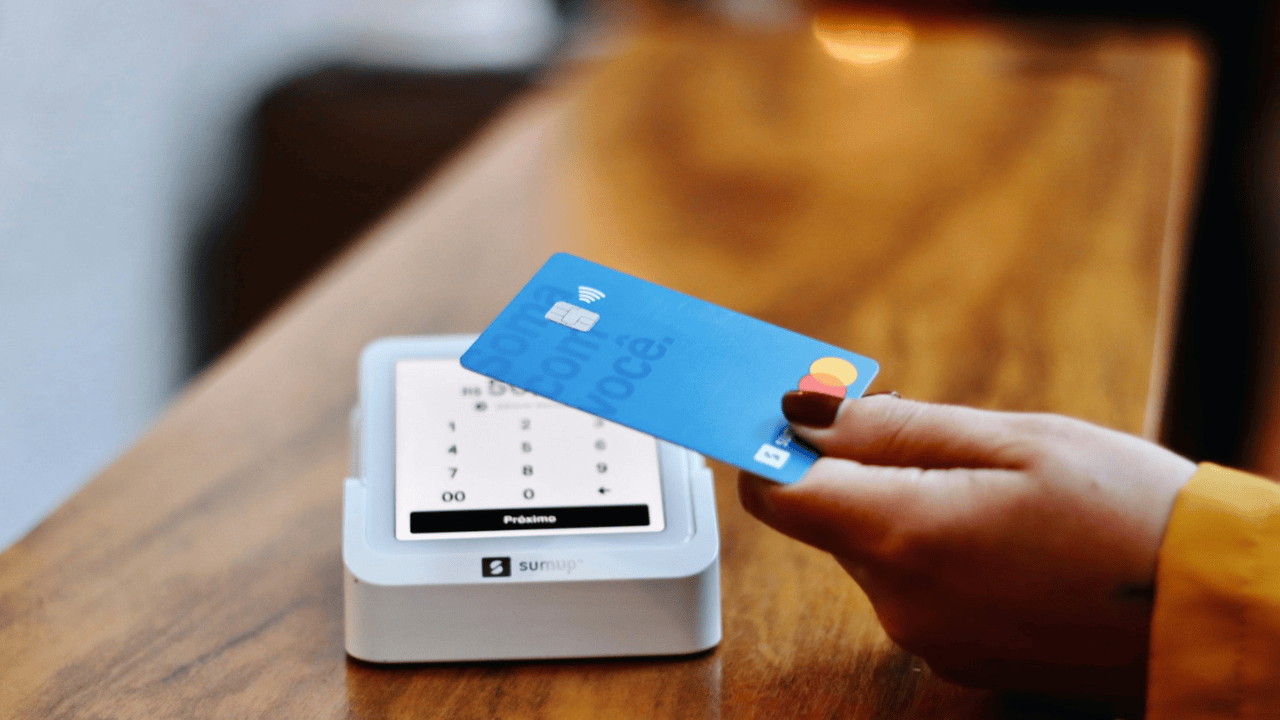
Later always costs more. Interest grows, emergencies pop up, and the "extra" money you planned to use never really appears. Waiting turns manageable balances into financial stress.
If you can't afford it today, odds are you won't afford it tomorrow either. Buying time with credit just delays the reality that you can't outspend your income.
"I need to enjoy life while I'm young"

That mindset sounds harmless until it's used as an excuse for overspending. Enjoying life doesn't have to mean draining your account to keep up with everyone else.
You can still travel, go out, and live well without going broke. The difference is knowing what actually makes you happy long-term-and skipping the stuff that only looks fun in the moment.
"I'll figure it out later"

Avoidance feels easier than facing your numbers, but it's what keeps you stuck. Hoping things will "work themselves out" is another way of giving up control.
Facing your finances is uncomfortable, but clarity gives you peace. Once you know the truth-how much you owe, spend, and make-you can finally start fixing it.
"I can't save and pay off debt at the same time"

You can-and you should. Saving while paying down debt gives you stability when life throws something unexpected your way. Without savings, one setback puts you right back where you started.
Even small savings add up. Think of it as protection, not progress. That safety net keeps you from relying on credit again, which is how you break the cycle for good.
*This article was developed with AI-powered tools and has been carefully reviewed by our editors.






Leave a Reply