
10 kid expenses I don't regret cutting
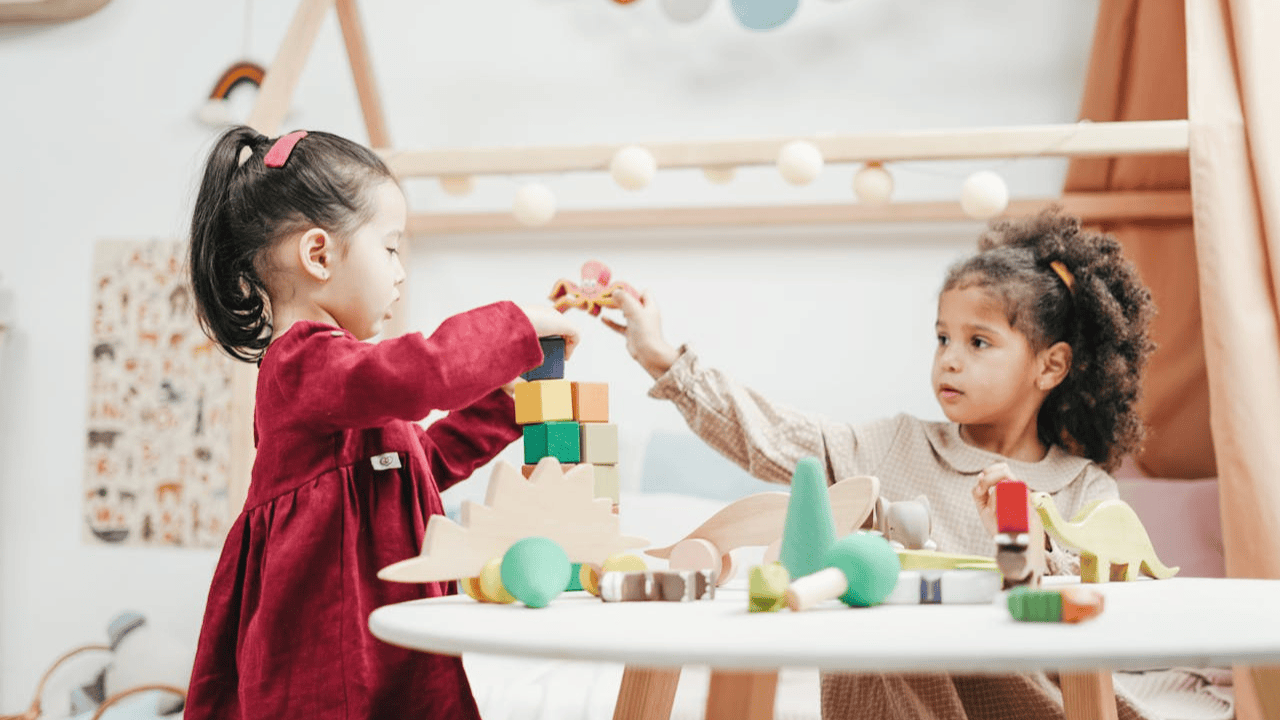
Parenting gets expensive fast, but a lot of what drains your budget doesn't actually make life easier-or better for your kids. It's easy to think they need every gadget, subscription, or trendy product, but most of it ends up unused or forgotten.
Cutting certain expenses doesn't make you cheap; it makes you practical. These are the things that look helpful on paper but weren't worth the money once the novelty wore off.
Monthly toy subscriptions
The idea sounds fun-new toys showing up each month-but most of the time, the excitement fades after a day or two. Kids end up going back to their favorites while the subscription toys pile up.
You'll save a surprising amount by skipping them and rotating the toys you already own instead. It keeps playtime fresh without adding clutter or monthly costs.
Overpriced baby gadgets
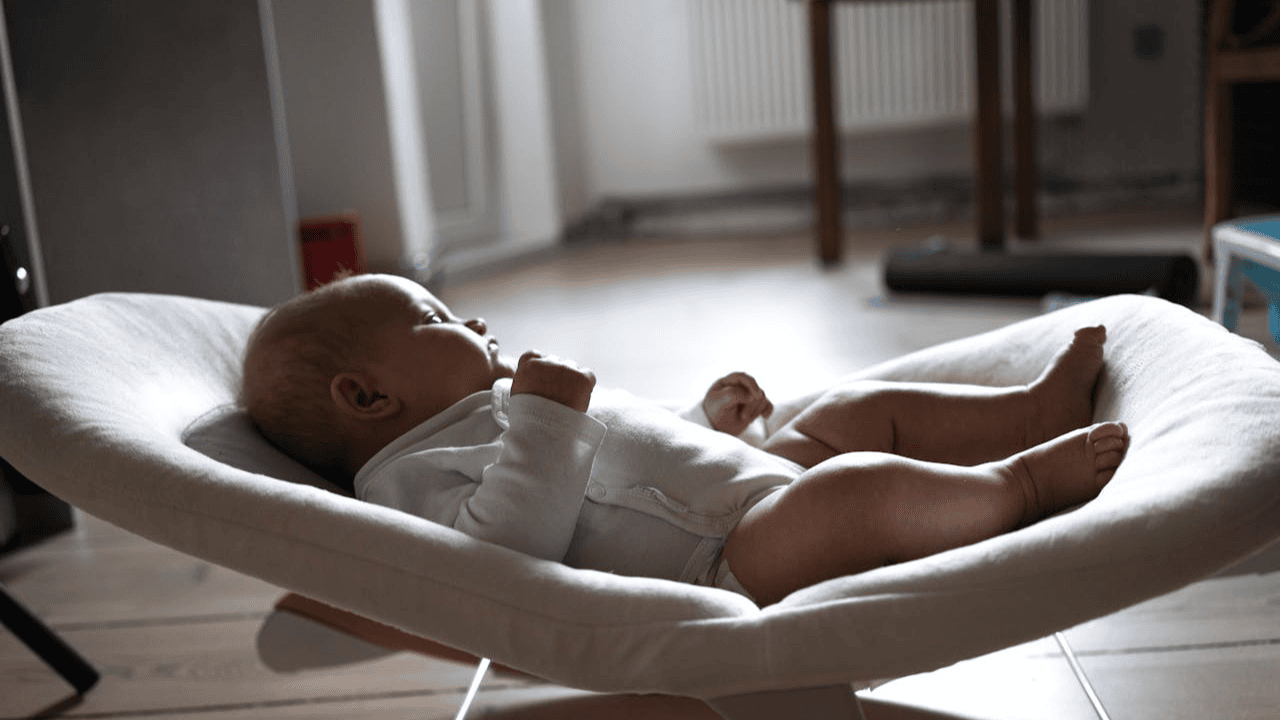
A lot of baby gear gets marketed as "must-haves," but most of it collects dust after the first few uses. Bottle warmers, wipe warmers, and smart bassinets all sound nice until you realize how little difference they make.
Basic versions do the job just as well, and your baby won't know the difference. Cutting back here makes more sense than spending hundreds on convenience features that wear off fast.
Kids' meal kits
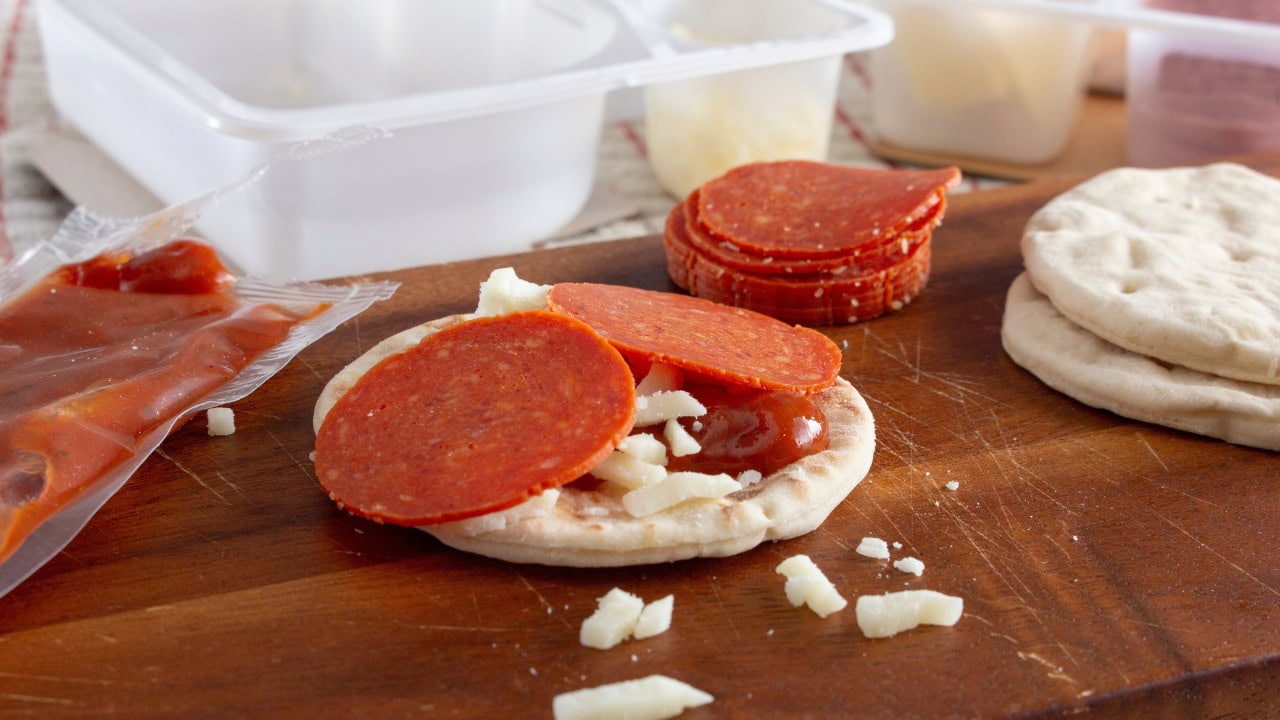
Meal kits designed for kids are one of those ideas that sound practical but rarely are. They cost far more per serving than homemade meals and usually take the same amount of effort once you unpack everything.
You can get the same results by buying a few favorite ingredients and letting your kids help assemble dinner. It's cheaper, less wasteful, and teaches them how to actually cook.
Trendy clothing brands
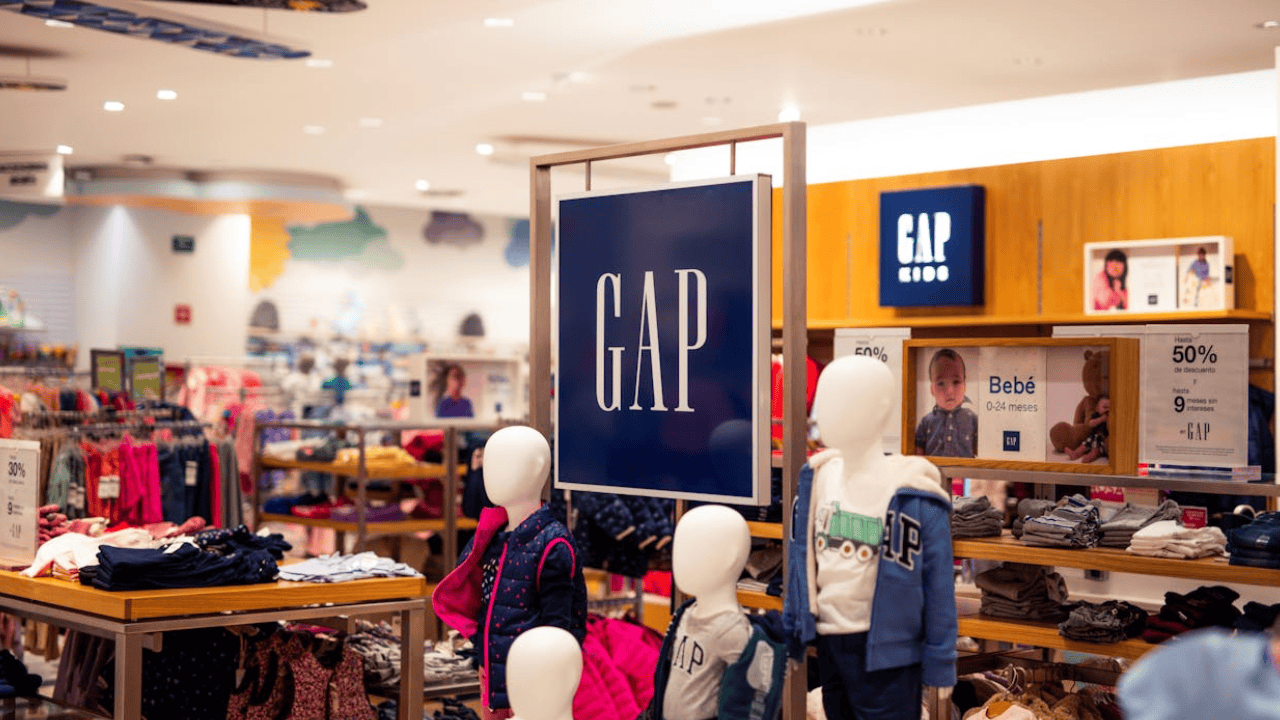
It's easy to get caught up in cute outfits and influencer-recommended brands, but kids grow too fast for expensive clothes to make sense. Those $40 joggers won't fit in three months.
Affordable basics hold up just as well and make more sense for everyday play. A few nicer pieces for photos or outings is all you need-everything else should be washable and durable.
Themed birthday parties
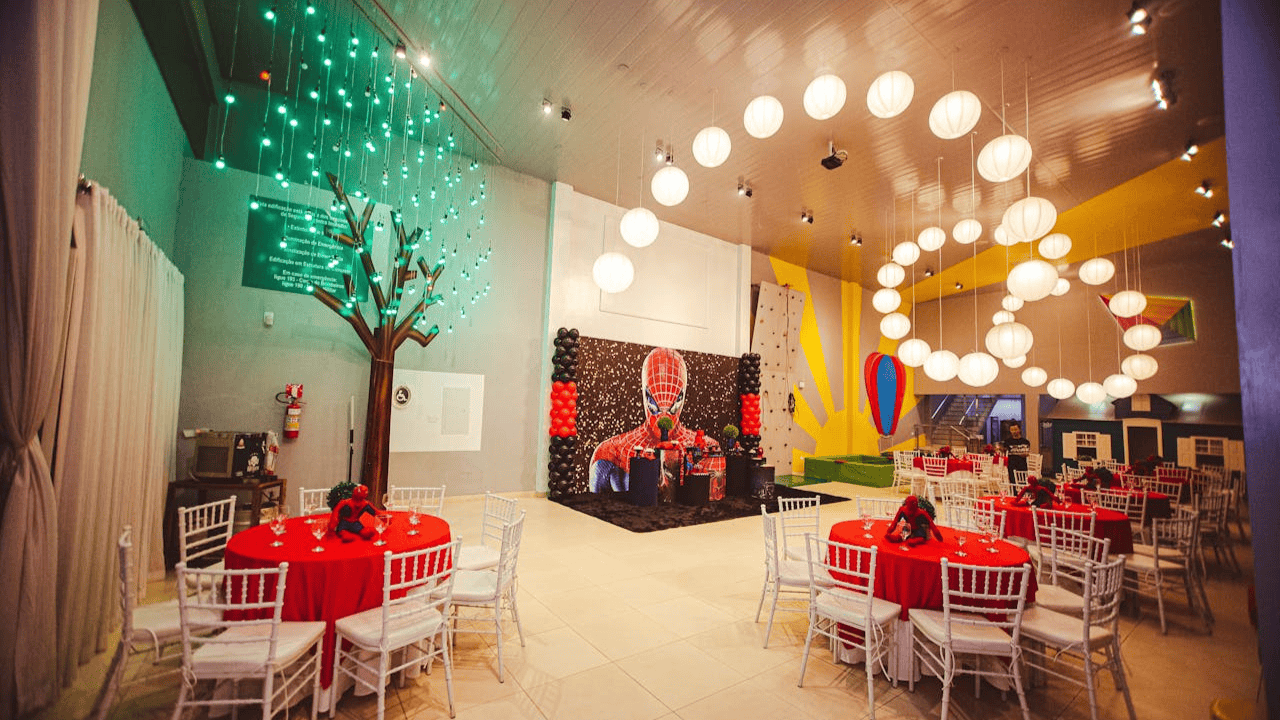
Pinterest has a way of convincing you every birthday needs a theme, balloon arch, and personalized cake. The truth? Kids don't care as much as adults do.
The parties they remember most are usually the simple ones-friends, cake, and fun. Hosting at home or the park cuts the cost dramatically while keeping the focus where it belongs.
Constant new shoes
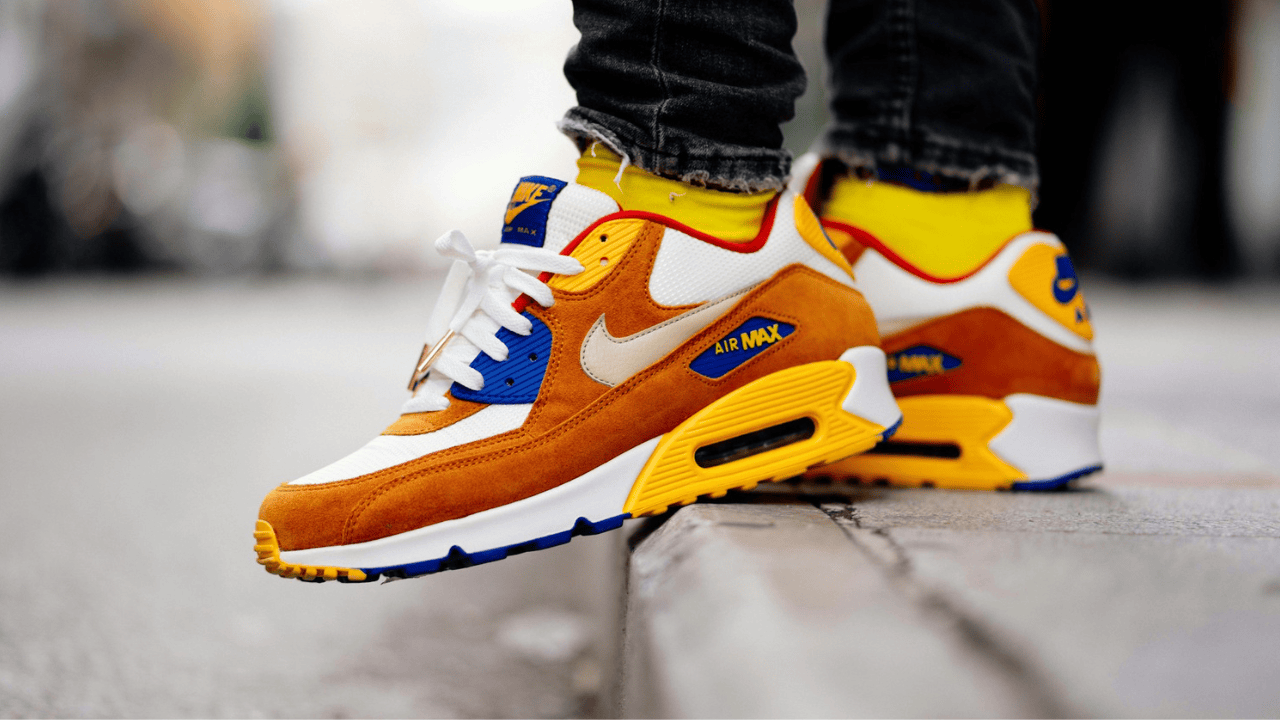
It's easy to assume kids need new shoes every season, but unless they've outgrown or worn them out, it's unnecessary. Good-quality shoes can last months longer than you think.
Stick to one or two pairs that actually get used instead of buying trendy extras that sit in the closet. Kids care more about comfort than matching every outfit.
Paid learning apps
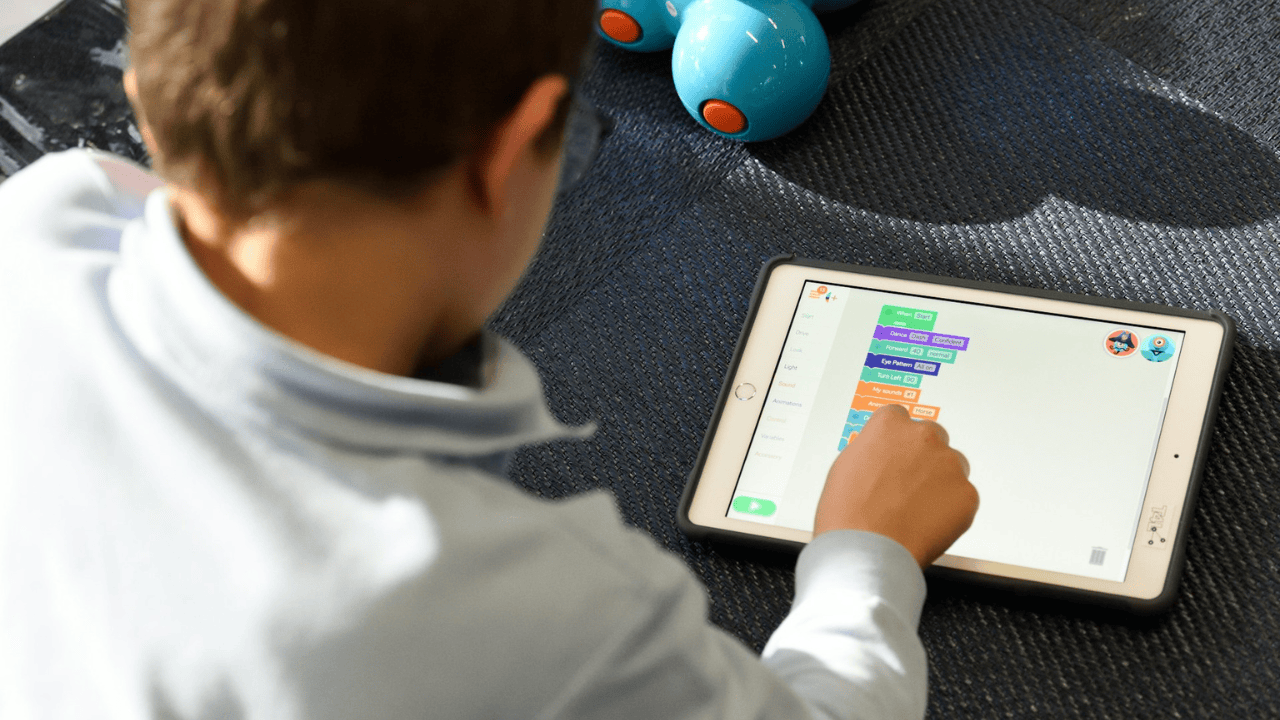
There are countless educational apps for kids, but most of the paid ones overlap with free options that do the same thing. Subscriptions add up fast when your child loses interest after a week.
Public library apps, YouTube learning channels, and printable activities work just as well for developing skills-without recurring charges sneaking into your bank account.
Plastic "learning" toys
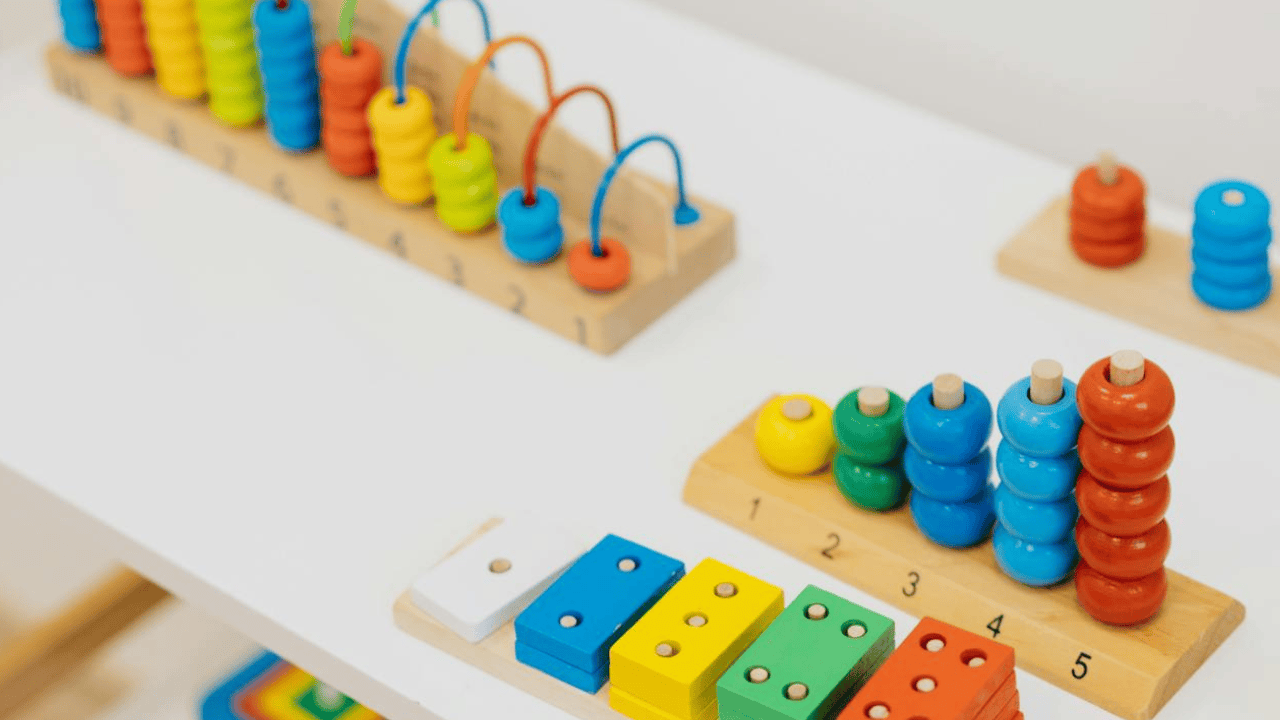
Toys labeled as educational often cost more without offering real benefits. Flashing lights and sounds don't equal learning-interaction and creativity do.
Things like blocks, books, and art supplies get far more use and help with development in ways screens and plastic buttons don't. You'll save money and reduce toy clutter in the process.
Matching family outfits
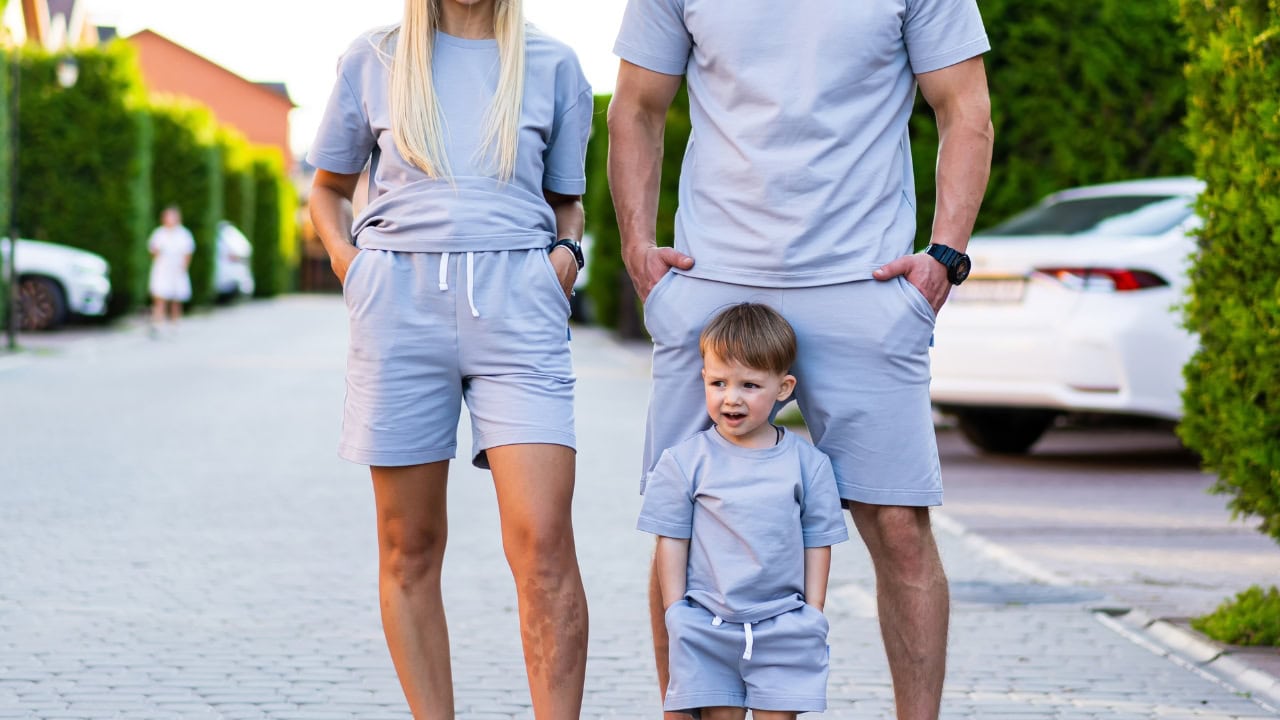
Coordinated outfits are cute for photos but expensive for how little you wear them. Between the sizing, shipping, and one-time use, it's one of those expenses that never feels worth it after the fact.
If you like the look, stick with similar colors instead. You'll get the same coordinated feel in photos without the cost of full matching sets.
Fast fashion for kids
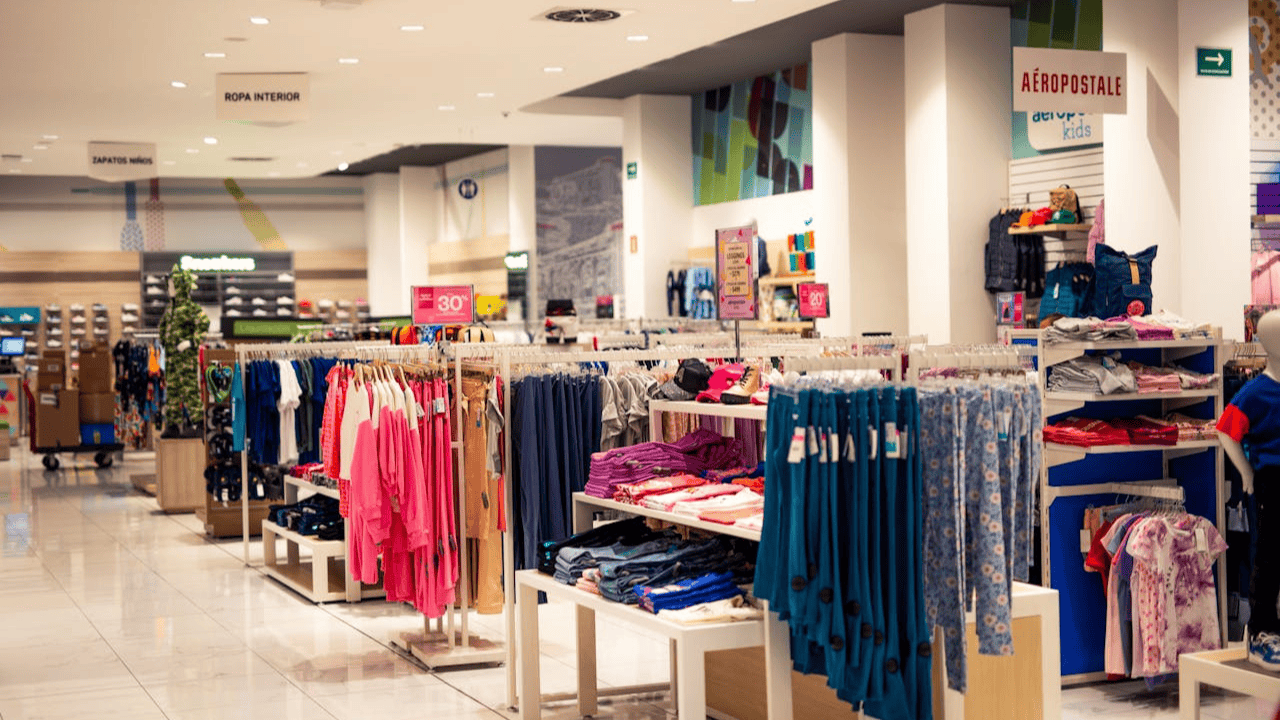
Cheap clothes that fall apart after one wash aren't saving you anything. Buying a few higher-quality basics on sale will last much longer and cut down on replacement costs.
Think more about wearability than trendiness. A solid hoodie, a few durable pairs of pants, and shoes that actually hold up are better investments than a drawer full of flimsy, disposable clothes.
*This article was developed with AI-powered tools and has been carefully reviewed by our editors.




Leave a Reply