
If you feel like you're constantly reordering the same things, chances are it's not because they're low quality - it's because of how you're using them. A lot of everyday items wear out faster or go missing thanks to small, avoidable habits that add up over time.
Being a little more mindful with how you clean, store, or handle what you already own can save you a surprising amount of money. Here are ten things most people end up rebuying way too often without realizing why.
Phone chargers
Tossing your charger on the floor or yanking it out by the cord wears it down fast. Those bends at the base are the first to fray, leaving you with another broken wire in no time.
Wrap your cords neatly and unplug them by the head instead of the cable. A $10 charger might not seem like much, but replacing them every few months adds up fast - especially if the cheap replacements keep failing.
Towels
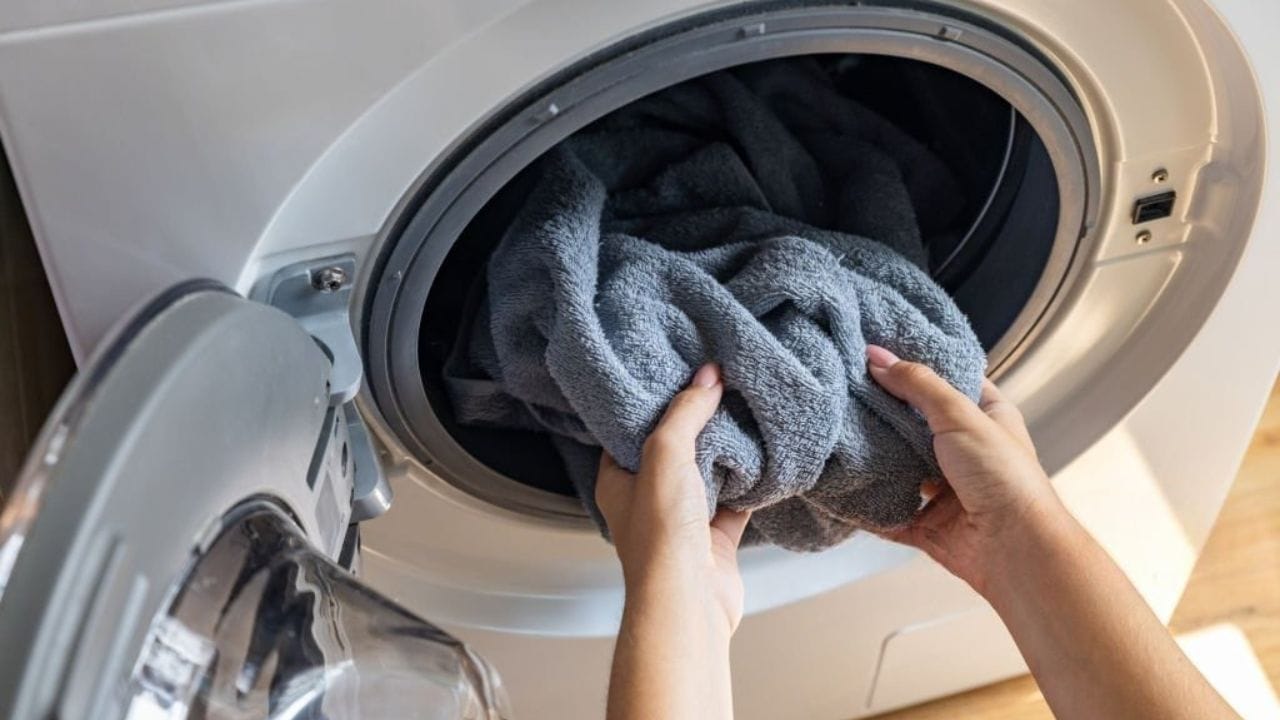
Bleaching, overwashing, and using too much detergent all break down towel fibers long before they should. Add in fabric softener buildup, and suddenly your "fluffy" towels can't absorb anything.
Wash towels in warm water with less soap, and skip the softener altogether. Dry them on medium heat, and they'll stay softer and last years longer instead of feeling like sandpaper after six months.
Reusable water bottles
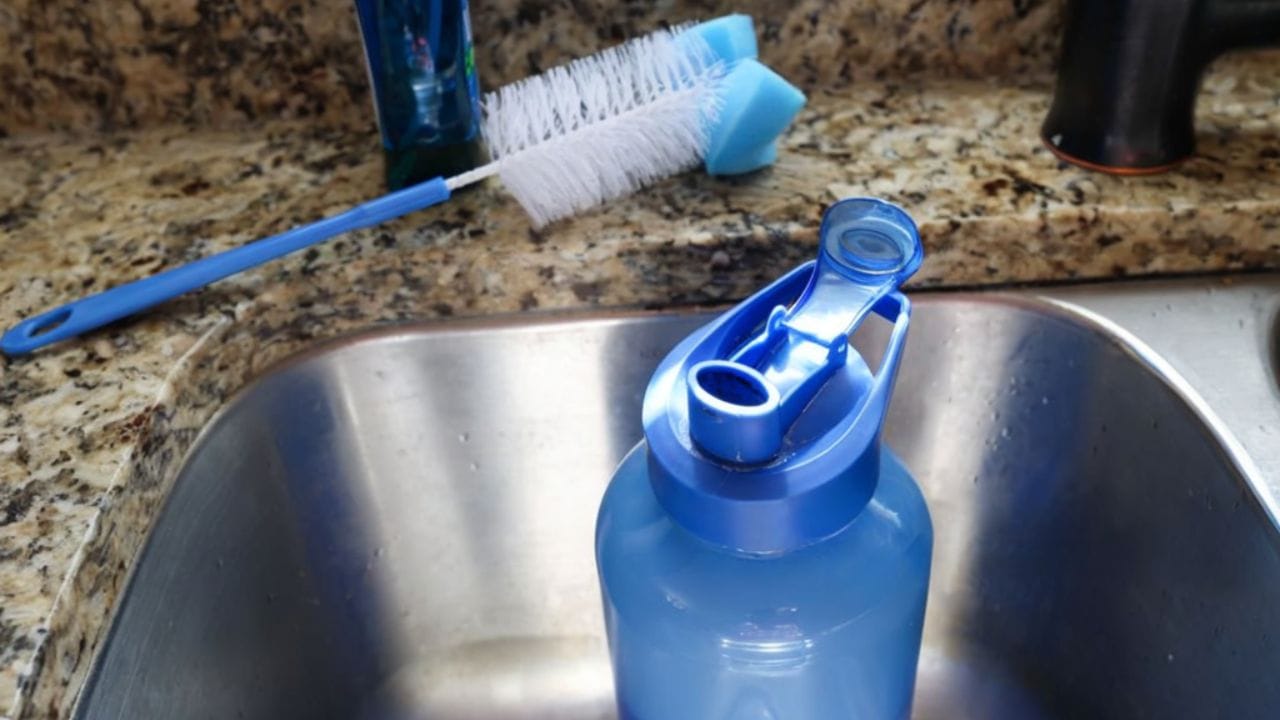
Throwing your bottle in the dishwasher when it's not meant for it, or leaving it unwashed in a hot car, is a quick way to ruin it. Plastic ones warp, and stainless steel ones trap odors fast.
Hand-wash them regularly with mild soap and let them air dry completely. You'll avoid that sour smell and save yourself from constantly buying replacements because the last one "started tasting weird."
Socks
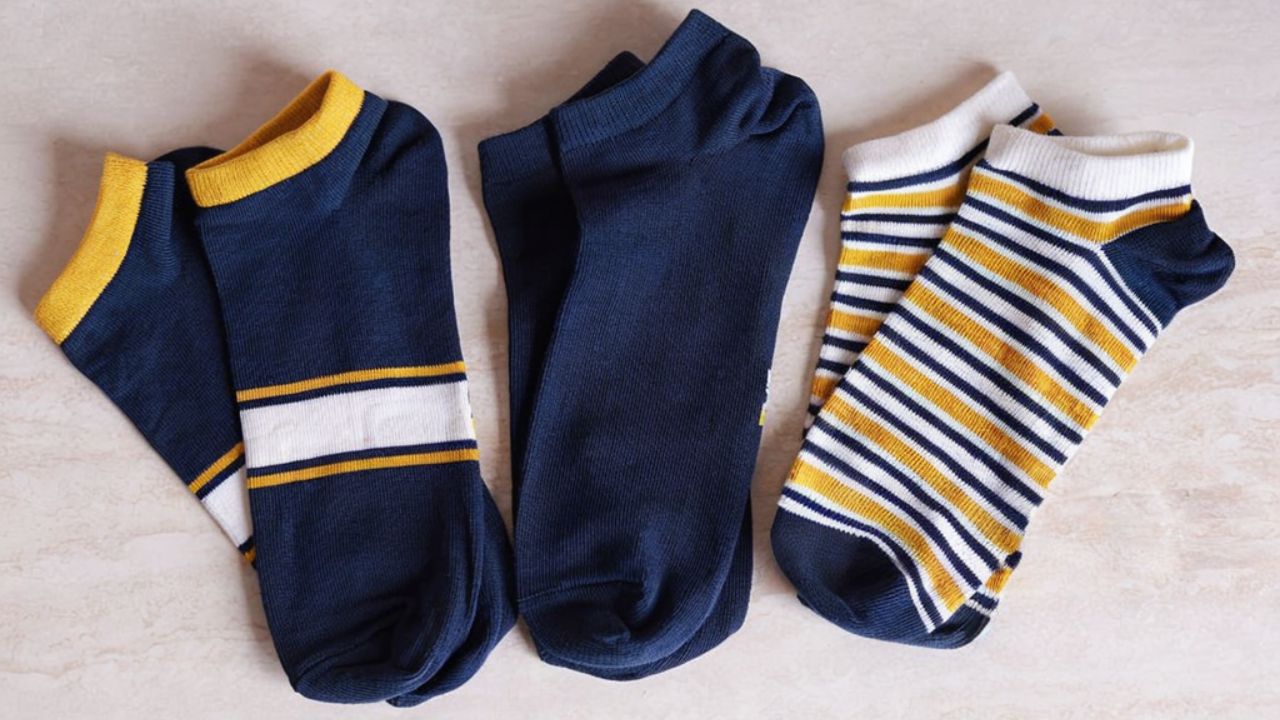
If you keep losing socks, it's probably not your dryer's fault. Throwing pairs in loose means one always ends up caught in something else or goes missing during sorting.
Wash socks in a mesh laundry bag or pin pairs together before tossing them in. It's one of those small habits that keeps your drawer full - and saves you from constantly buying new packs.
Storage containers
Microwaving stained containers or storing tomato-based sauces too long without rinsing them right away leaves permanent marks and odors. Many people toss them out even though it's preventable.
Rinse containers right after use, and store them without lids so moisture can't build up. Keeping them out of high heat helps them last years instead of months.
Pillows
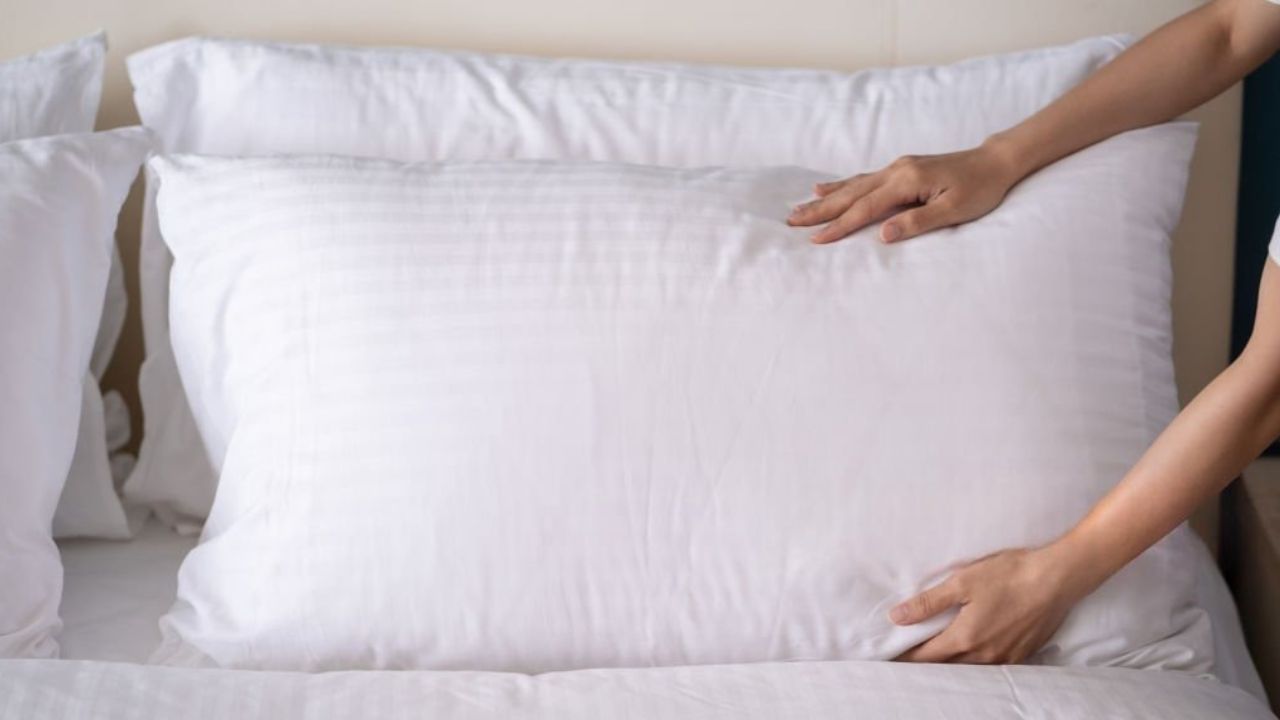
Pillows wear out fast when you never wash or fluff them. Sweat, oils, and dust mites break down the filling, leaving them flat and lumpy long before their time.
Toss them in the washer every few months (check the tag first) and dry them with clean tennis balls to keep them plump. Proper care easily doubles their lifespan.
Kitchen knives
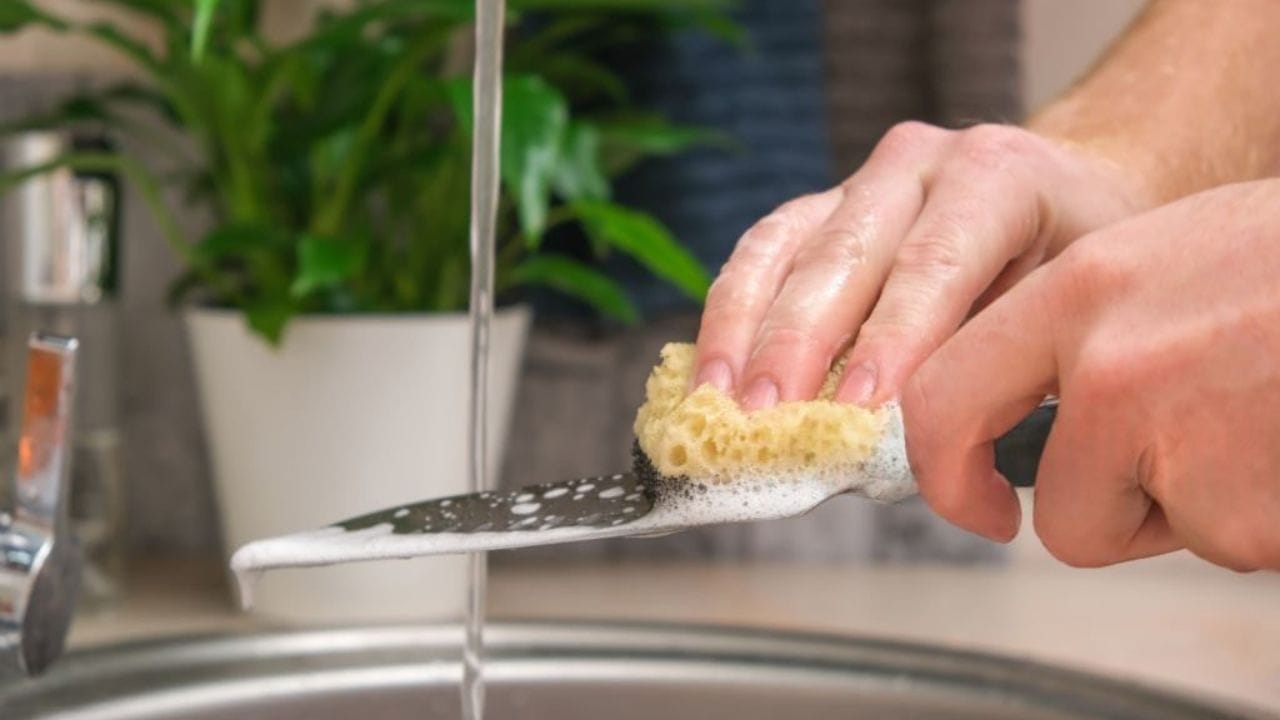
Throwing knives in a drawer or running them through the dishwasher dulls and damages the blades quickly. That's why so many people keep replacing sets that should've lasted a lifetime.
Hand-wash and dry knives immediately after use, and store them in a block or magnetic strip. Regular honing keeps the edge sharp without needing frequent replacements.
Shoes
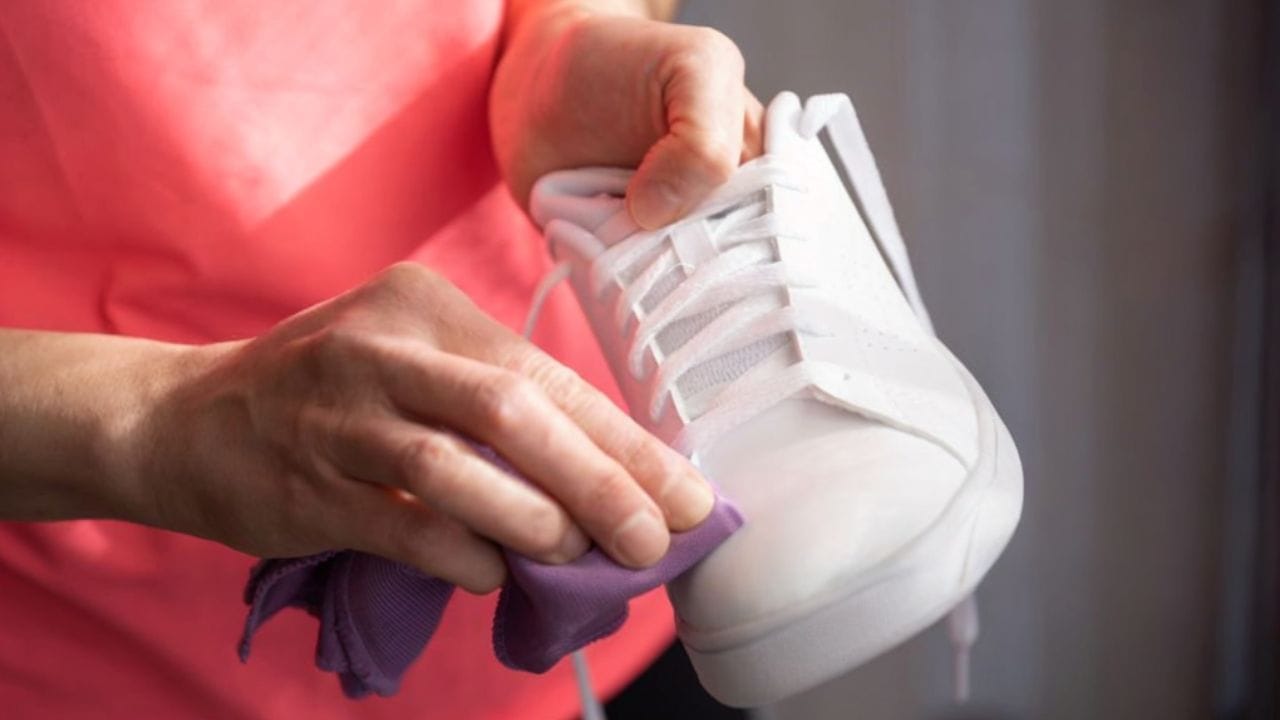
Leaving your shoes in the trunk, skipping cleanings, or wearing the same pair daily without giving them time to air out shortens their life drastically. Moisture and dirt do more damage than most people realize.
Rotate pairs and use shoe trees for leather ones to maintain shape. A quick wipe-down after wear keeps the materials strong and your shoes lasting longer than a single season.
Measuring cups and spoons
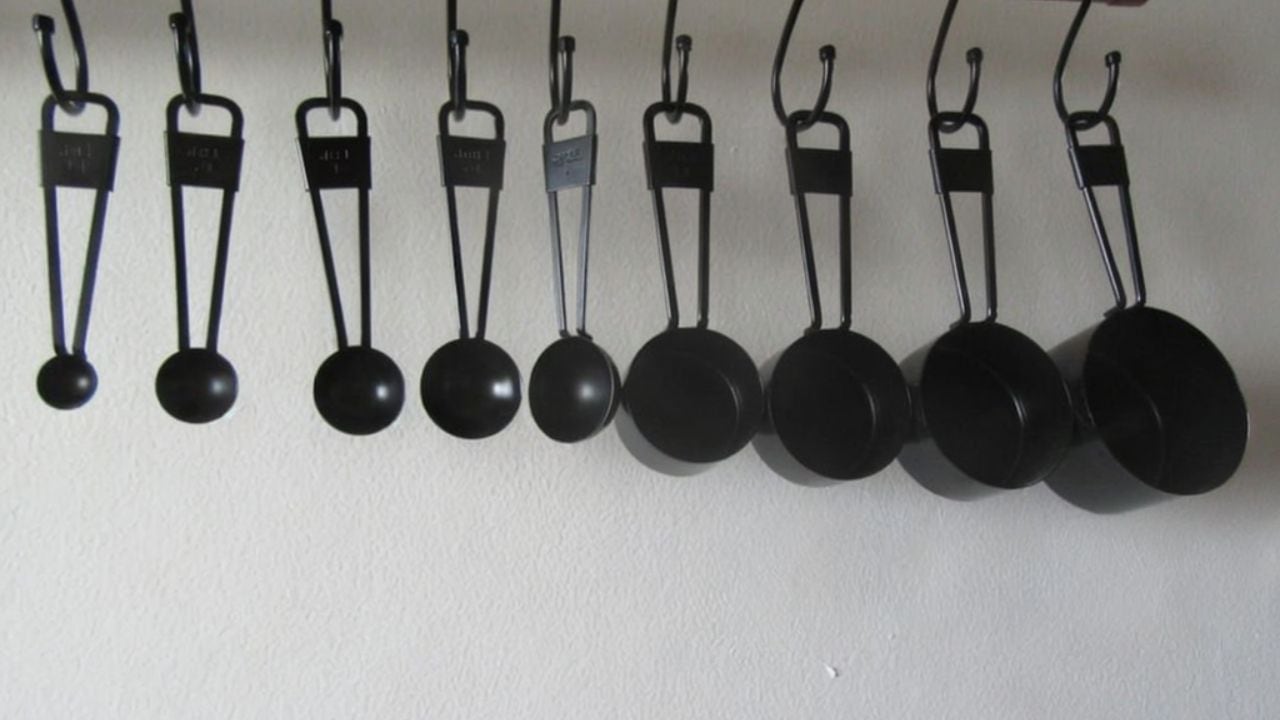
Metal measuring tools bend when tossed in drawers, and plastic ones fade or crack when exposed to heat and heavy dishwashing cycles. Most people replace them every year without thinking about it.
Store them hanging or stacked neatly, and wash by hand if you use them for sticky ingredients like honey or oil. Small care changes keep them accurate and intact for years.
Blankets
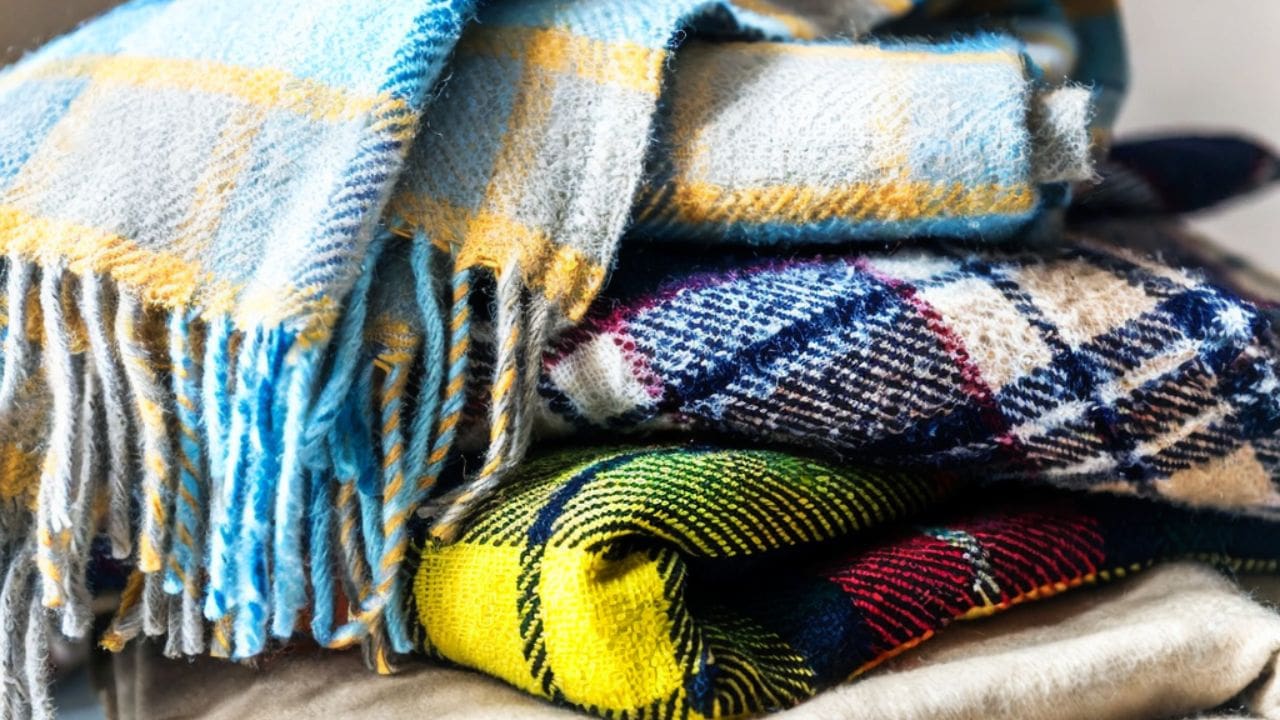
Throwing blankets in the dryer on high heat or using too much detergent makes them lose softness fast. Fabric pilling and fading are almost always caused by overwashing.
Wash them on gentle cycles with mild detergent and avoid fabric softener, which coats fibers. Line drying or using low heat keeps them fluffy and saves you from having to replace them every winter.
*This article was developed with AI-powered tools and has been carefully reviewed by our editors.






Leave a Reply