
10 home habits that are secretly costing you money
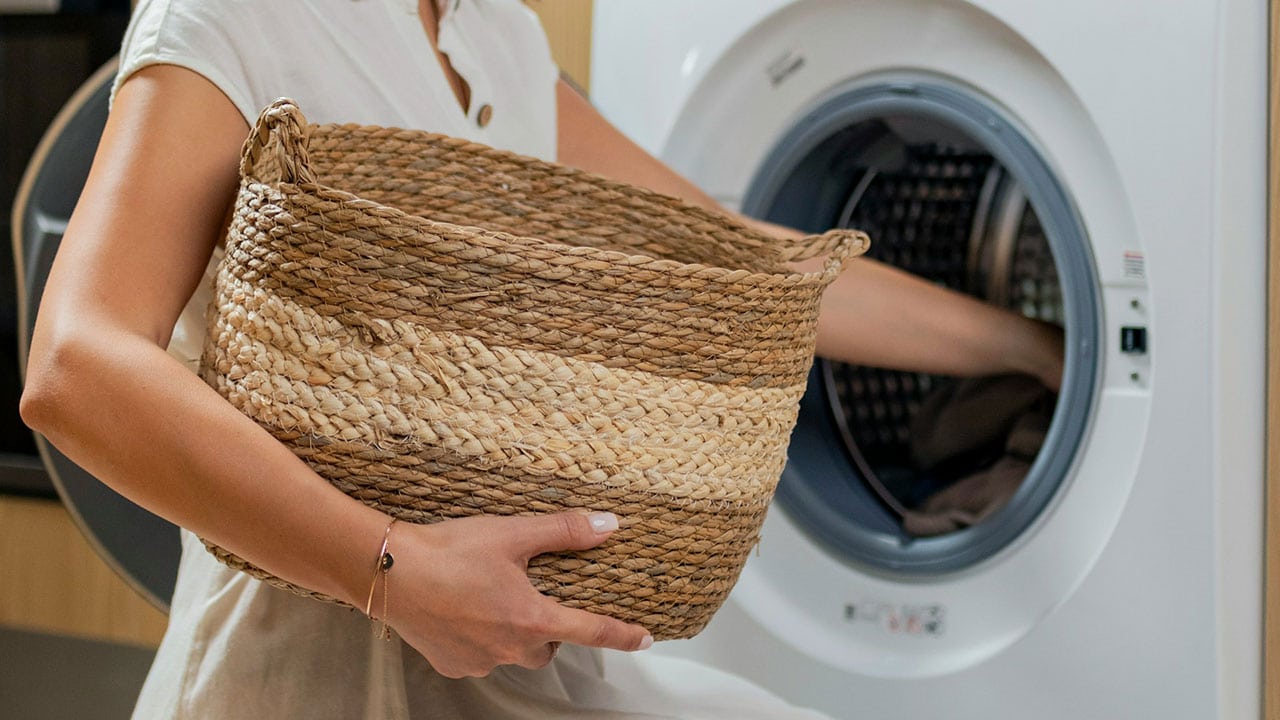
It's easy to overlook the little things at home that slowly eat into your budget. Most of the time, it isn't one big mistake-it's small daily habits that add up over weeks and months.
The good news is once you spot them, they're easy to fix. A few tweaks in how you manage your house can cut down on bills, waste, and unnecessary spending without making life harder. Here are the habits that quietly drain your wallet more than you realize.
Leaving Lights On
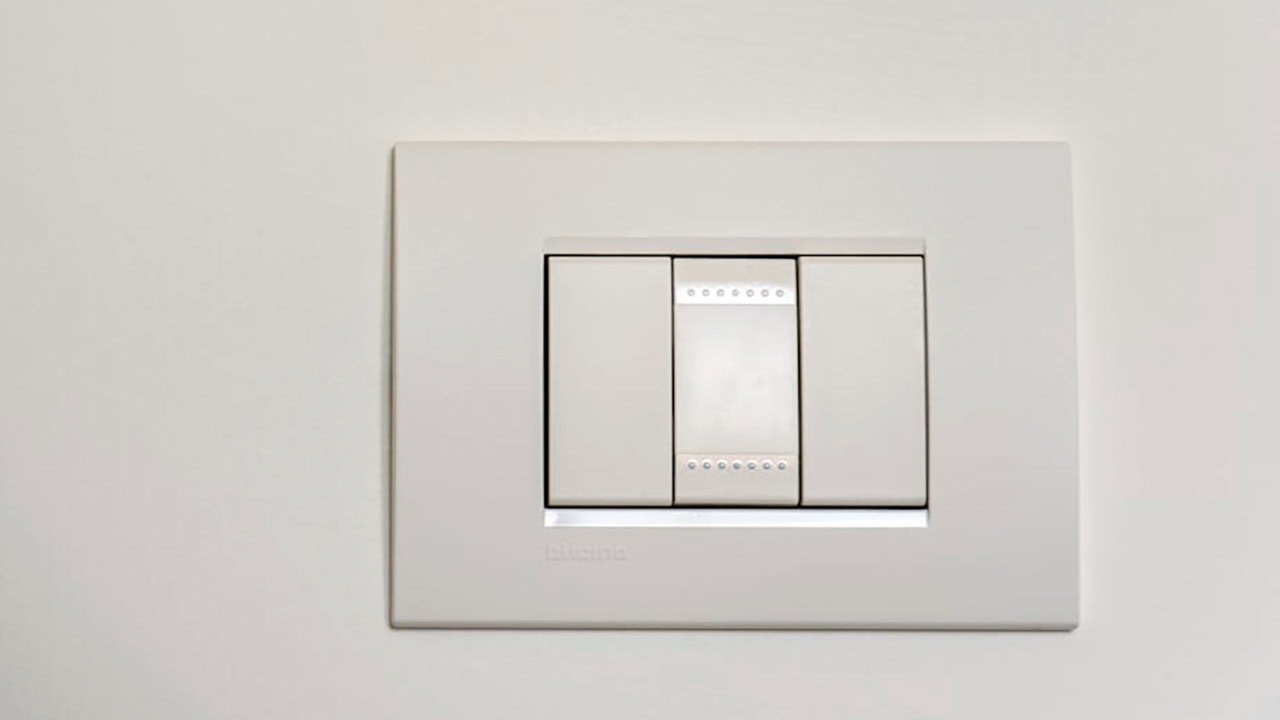
It may not seem like a big deal to leave lights on in empty rooms, but those extra hours of electricity add up quickly. Older bulbs in particular use more power, so every forgotten switch is costing you more than you think.
Getting into the habit of turning lights off when you leave a room can cut your bill noticeably. Switching to LEDs also reduces costs since they last longer and use less energy overall.
Ignoring Small Leaks
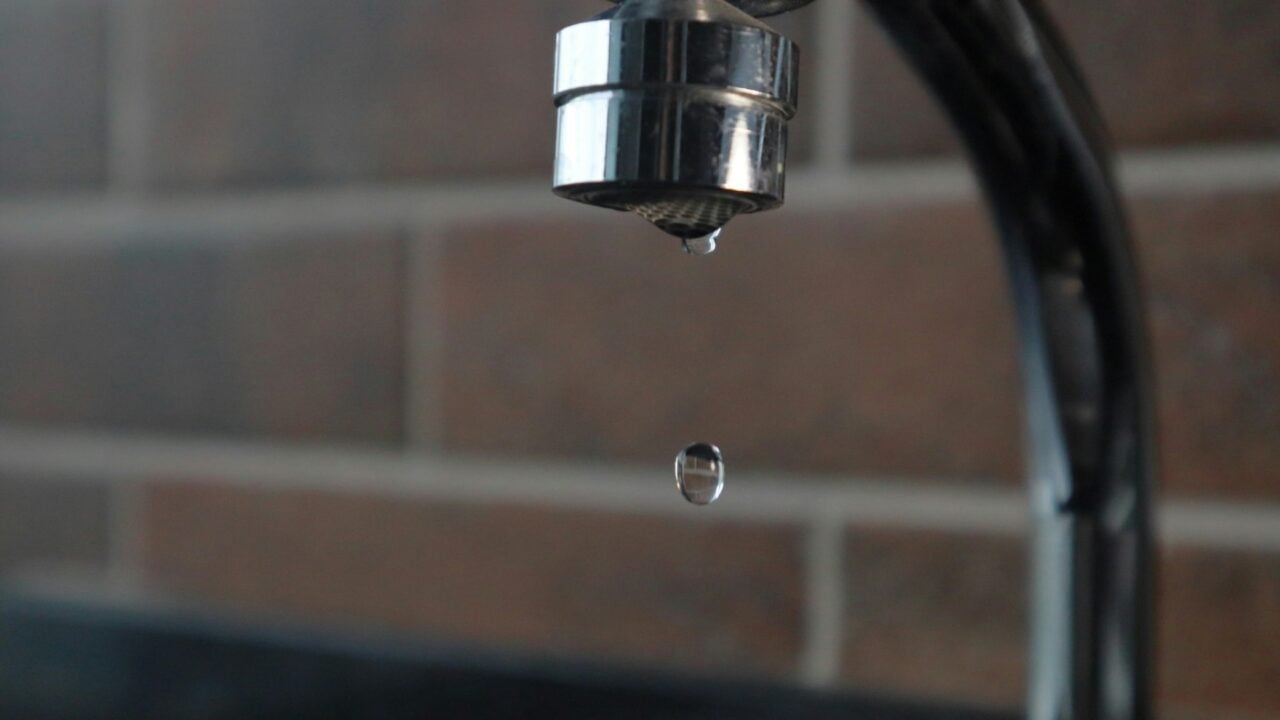
A dripping faucet might feel like nothing more than an annoyance, but every drop adds to your water bill. Over a month, that small leak can waste gallons of water you're paying for.
Fixing leaks early usually takes a cheap replacement washer or a quick call to a plumber. It's one of those small fixes that pays for itself almost instantly.
Overusing the Dryer
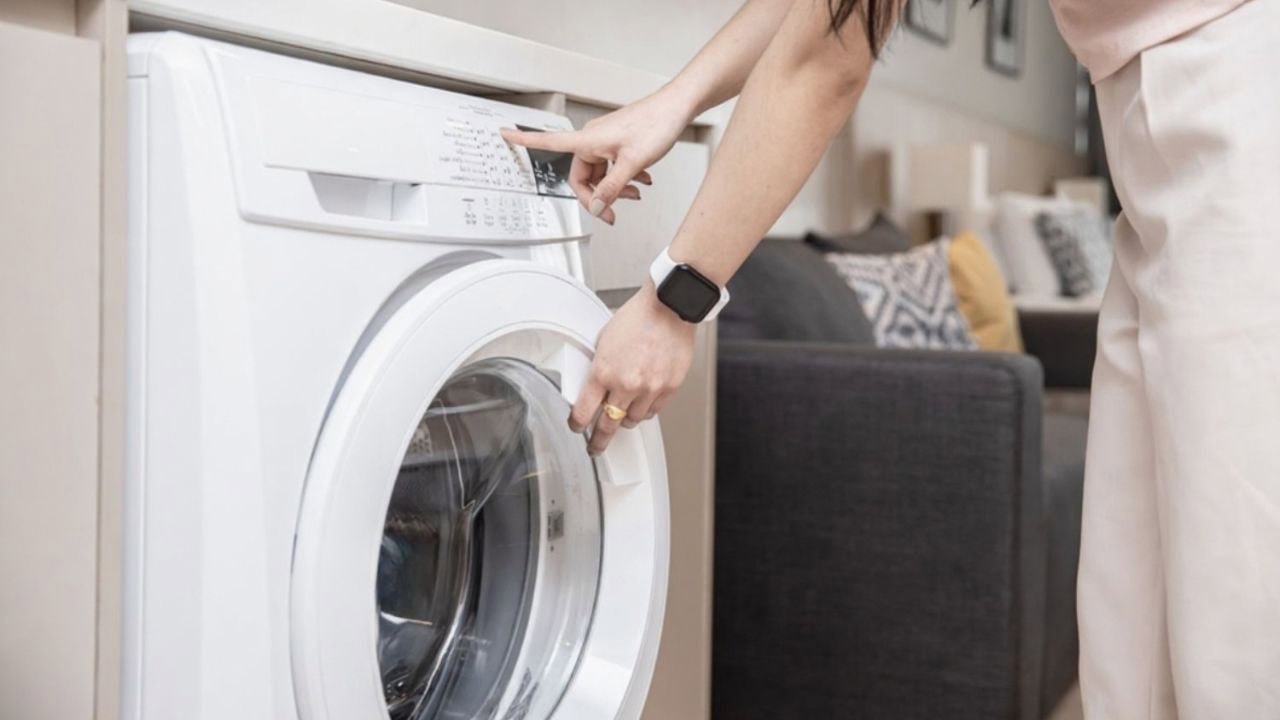
Running your dryer for every load, especially small ones, pushes your electric bill higher. Dryers use more energy than most other appliances, so constant use is expensive.
Hanging clothes to air-dry when possible keeps costs down and helps your clothes last longer. Even cutting back a few loads per week makes a difference.
Running the Dishwasher Half Full
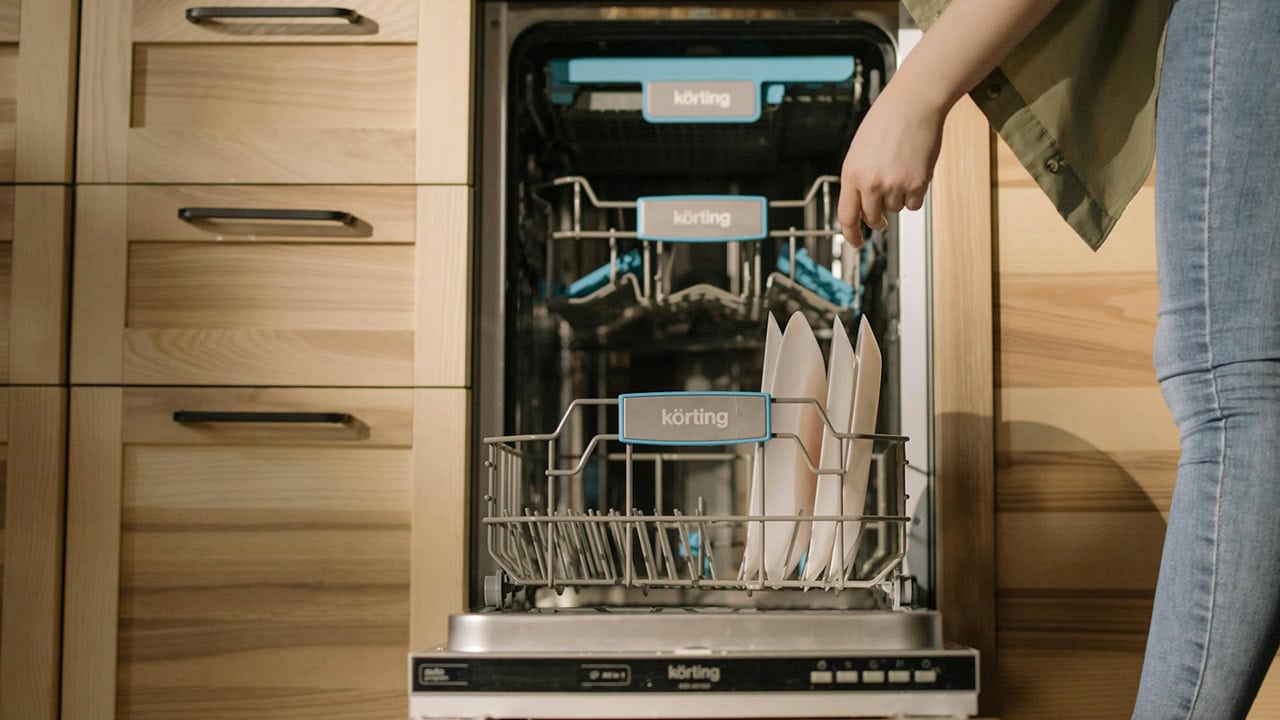
It's tempting to run the dishwasher after dinner even if it isn't packed, but that means you're wasting water and electricity on every cycle. Over time, it adds up to higher bills and more detergent used.
Waiting until it's fully loaded stretches your resources further. If you're worried about smells, rinsing plates lightly before stacking them helps hold you over until the next full load.
Heating and Cooling Empty Rooms
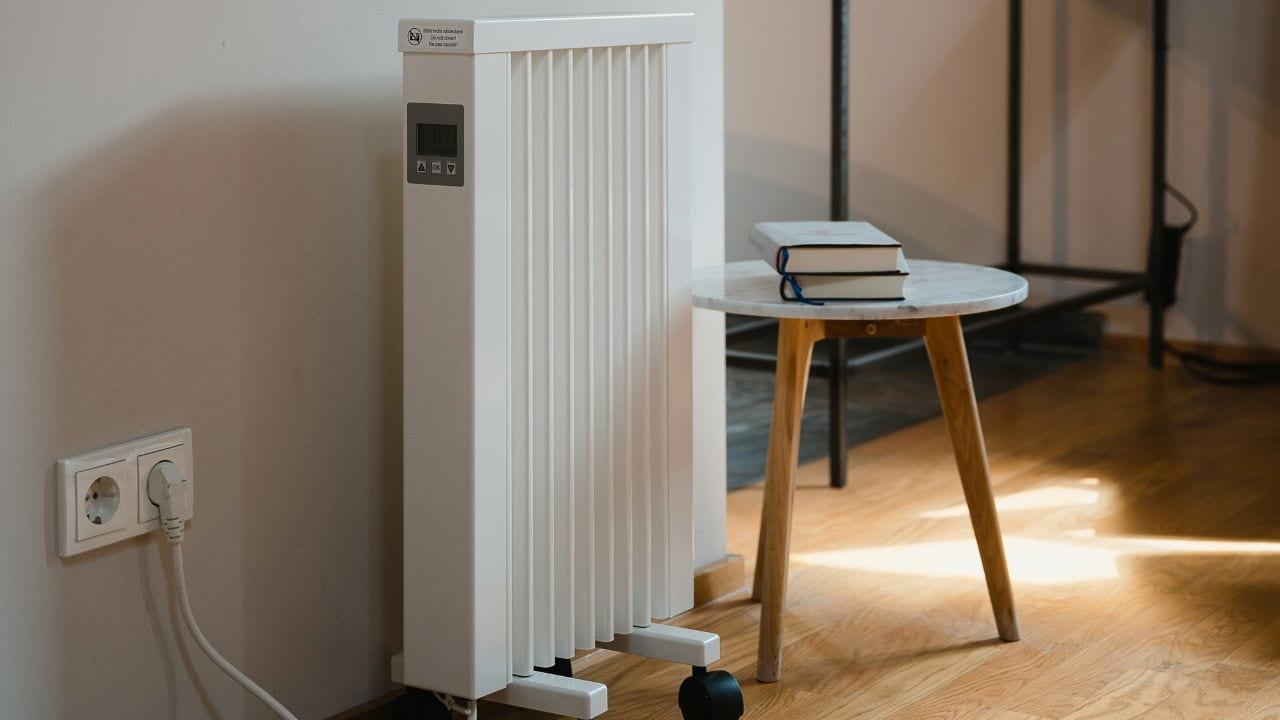
Keeping your whole house at the same temperature all day wastes money, especially if you aren't using every space. Heating or cooling unused rooms pulls energy for no real reason.
Closing vents in those spaces or using a programmable thermostat helps balance comfort with savings. It makes sure you're not paying for air you don't actually need.
Forgetting to Change Air Filters
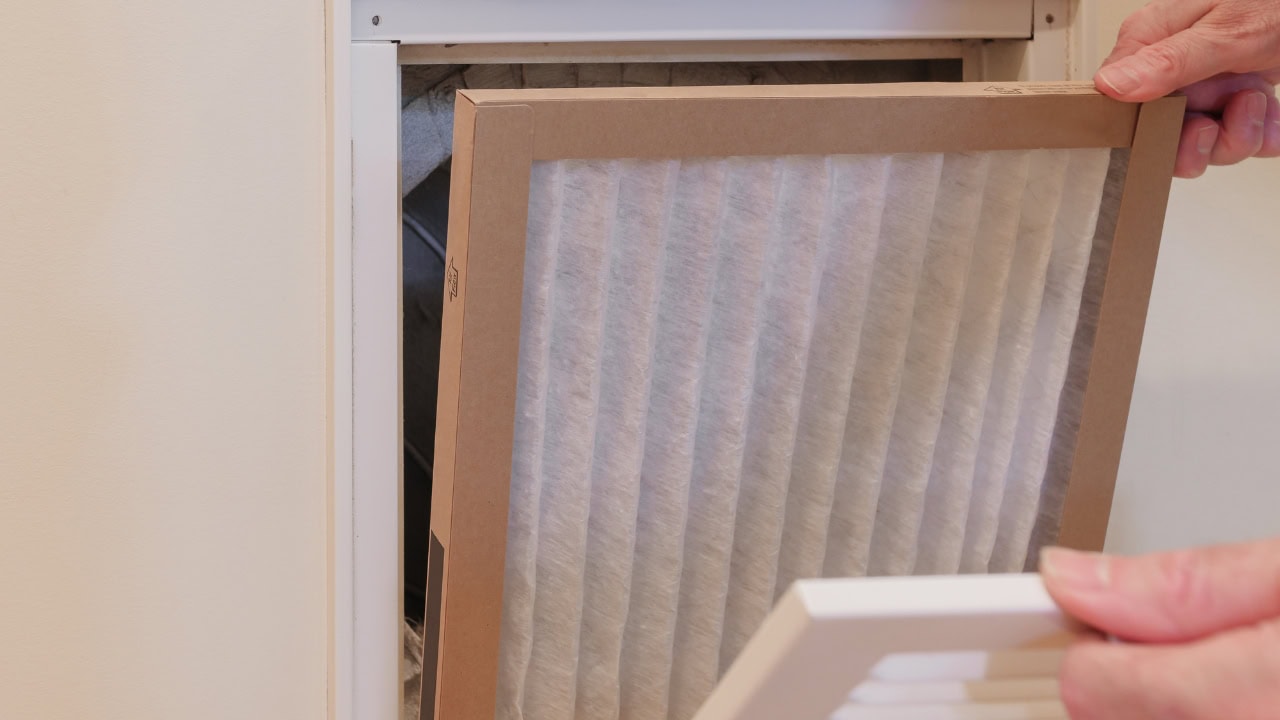
Dirty air filters force your HVAC system to work harder, driving up your energy bill. When airflow is blocked, the system runs longer to get the same result.
Swapping filters on time keeps the system efficient and avoids expensive repairs down the road. It's a cheap habit that saves money two ways-on energy and on maintenance.
Buying Cleaning Products You Don't Need
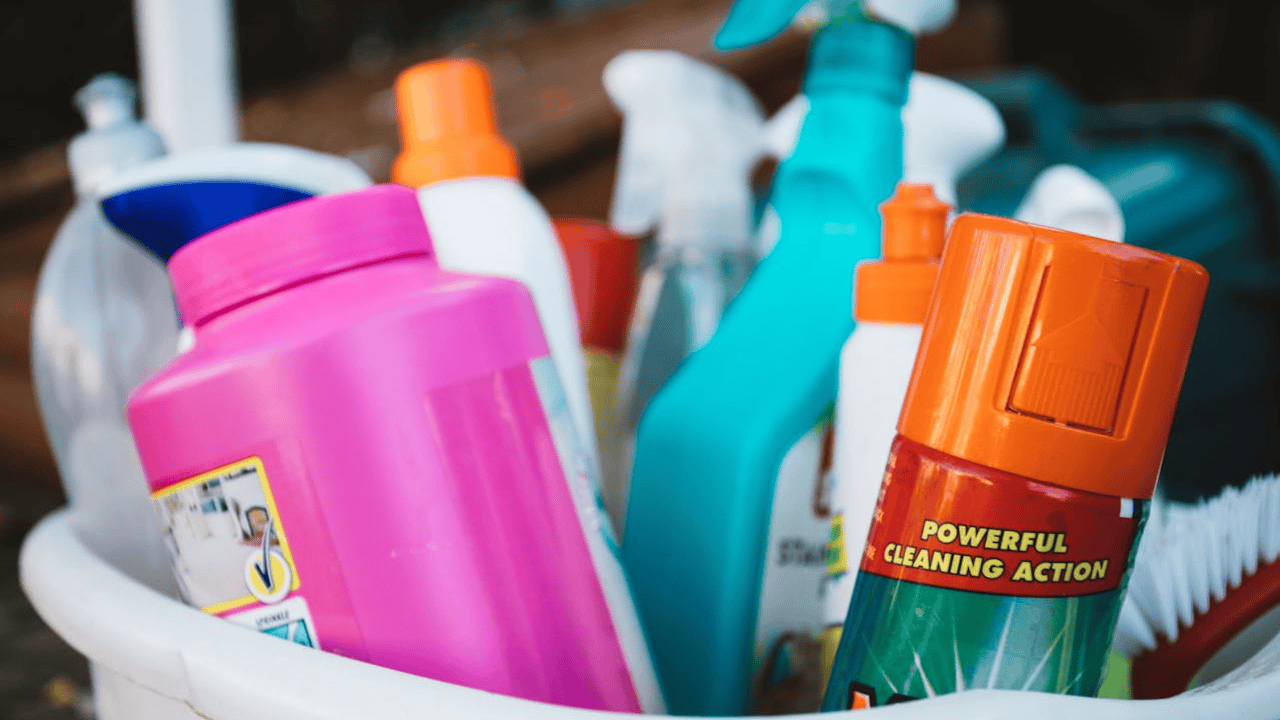
It's easy to fill cabinets with specialized sprays and solutions, but most surfaces can be cleaned with a few basics. Spending money on extras is more habit than necessity.
Using multi-purpose products-or even making your own with vinegar and baking soda-saves money and keeps you from constantly restocking bottles you rarely finish.
Leaving Electronics Plugged In
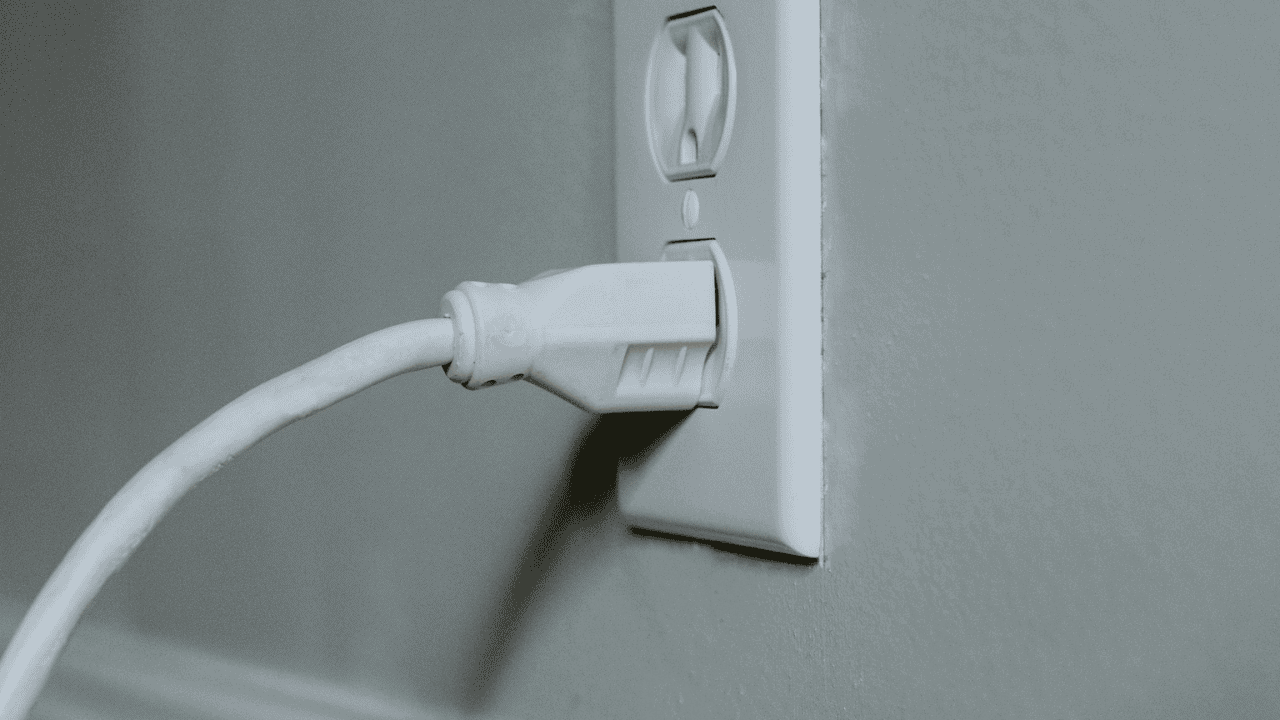
Even when devices are off, many keep pulling energy in standby mode. Chargers, TVs, and game consoles are some of the worst culprits.
Unplugging them or using a power strip you can switch off keeps that constant trickle of power from adding to your bill. It's a small change with a steady payoff.
Tossing Leftovers Too Soon

Food waste is one of the fastest ways to burn through your budget at home. Throwing out leftovers means you're paying for groceries that never actually fed anyone.
Labeling containers and planning a leftover night each week helps you use what you already bought. Stretching meals saves more than you realize over time.
Forgetting Routine Maintenance
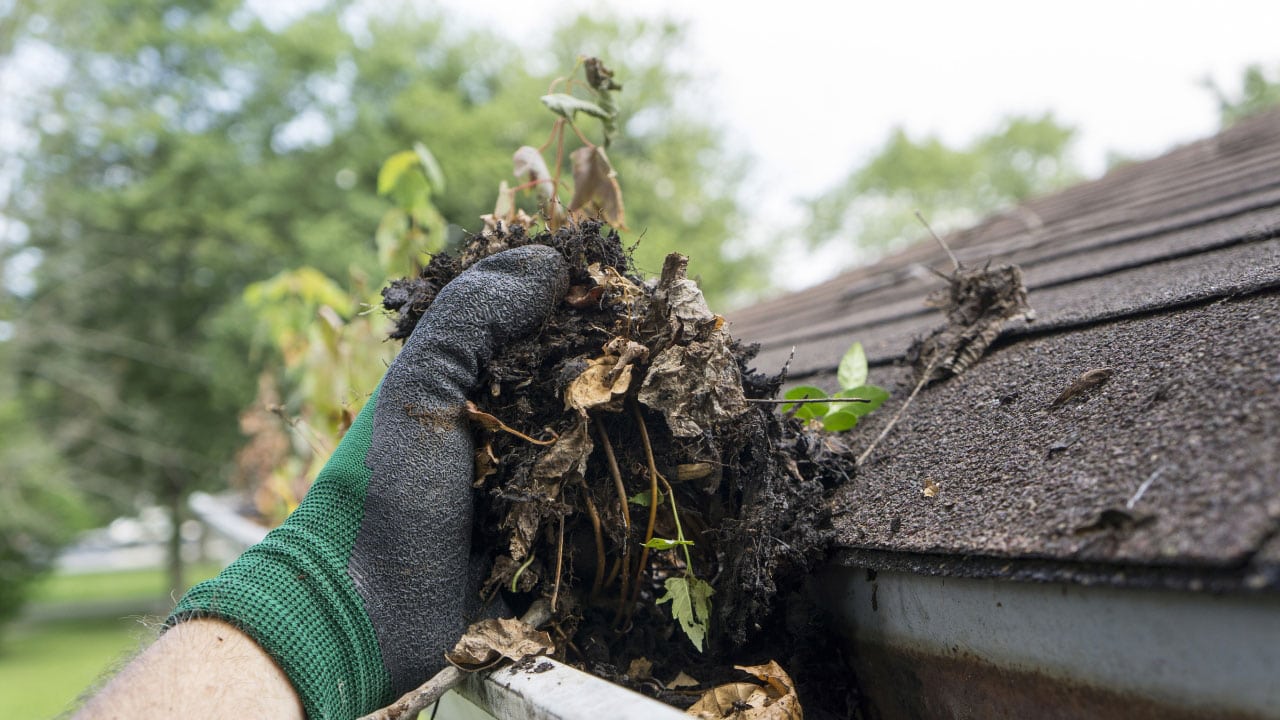
Skipping small home upkeep tasks might feel like saving money in the moment, but it usually leads to bigger expenses later. Ignored filters, dirty gutters, or unchecked appliances wear out faster.
Keeping up with basic maintenance saves you from repairs that cost far more than prevention. A little attention now keeps your home running efficiently and your budget intact.
*This article was developed with AI-powered tools and has been carefully reviewed by our editors.






Leave a Reply