
10 habits that made my house cheaper to run
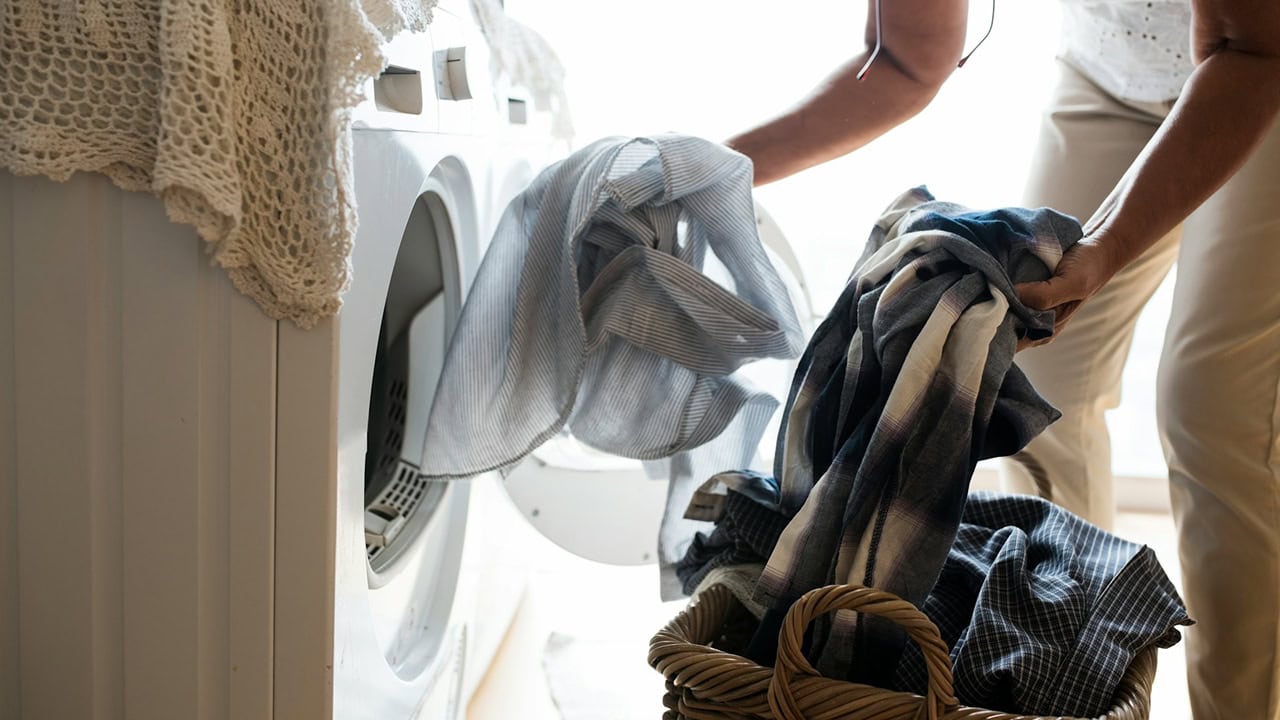
Most people think about cutting costs by looking at big-ticket items, but your everyday habits at home have a huge impact on monthly expenses. Energy, water, and even routine maintenance all add up, and the way you handle them determines how high your bills climb.
The good news is, small changes in daily routines can make your home run more efficiently without feeling like sacrifices. These are the habits that made the biggest difference for me and can do the same for you.
Turning Off Lights and Electronics
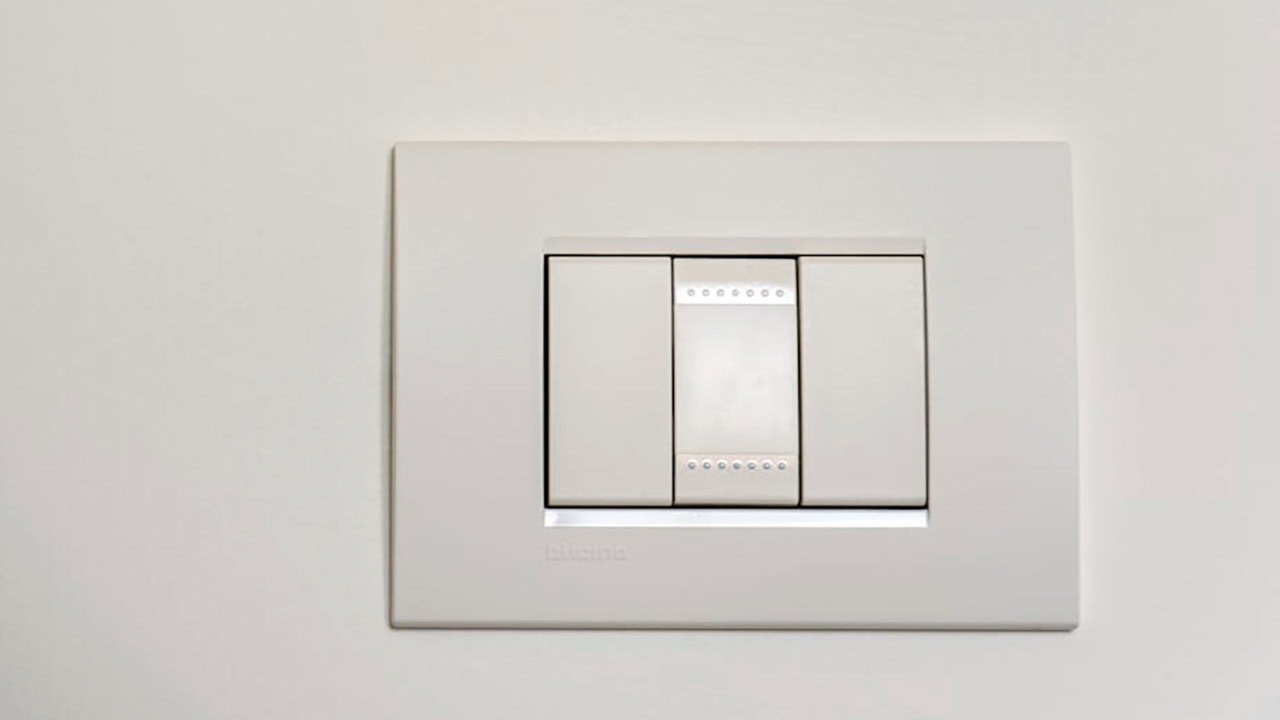
It's easy to leave lights or TVs running in empty rooms, but those extra hours quietly push up your bill. Electronics and chargers also keep pulling power even when they're off.
Making it a habit to unplug or flip switches when you leave saves energy immediately. Using a power strip makes it even easier to cut off multiple devices at once.
Running Full Loads Only
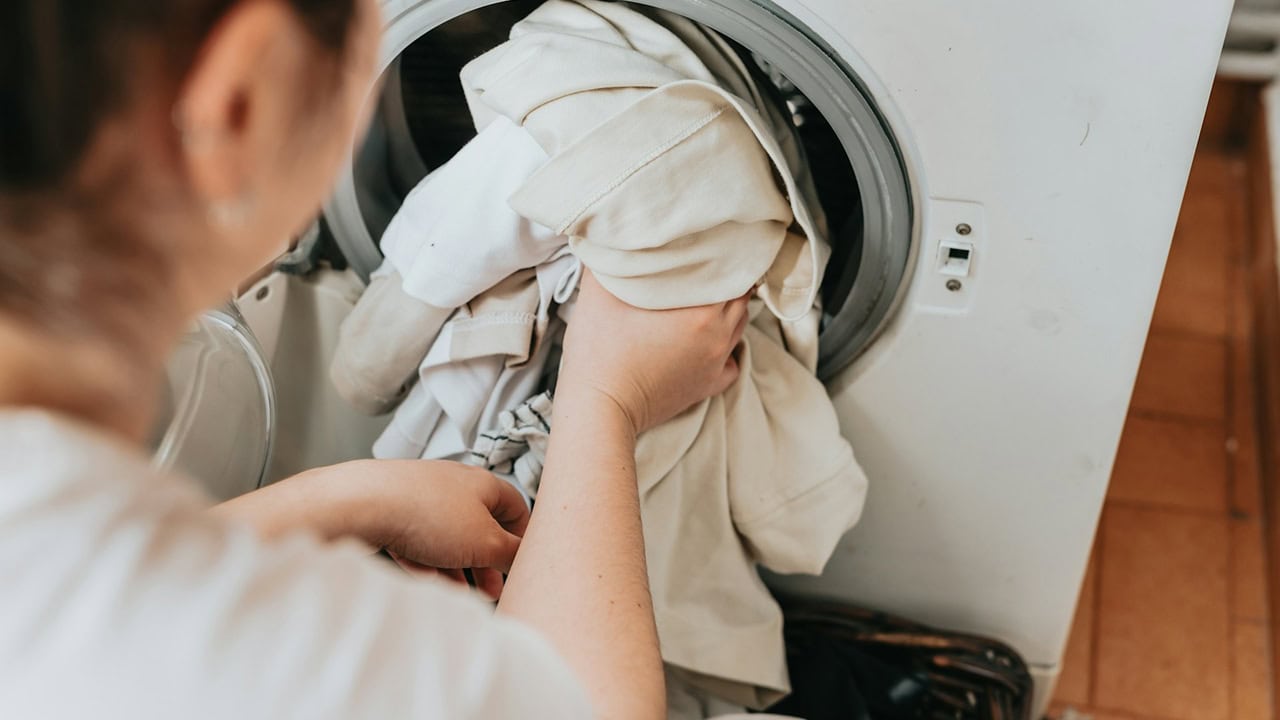
Whether it's the dishwasher or the washing machine, half loads cost you the same as full ones. Running them less often means less water, detergent, and electricity used overall.
Waiting until you have a full load stretches your resources further. Over a month, this habit makes a noticeable dent in both water and electric bills.
Using a Programmable Thermostat
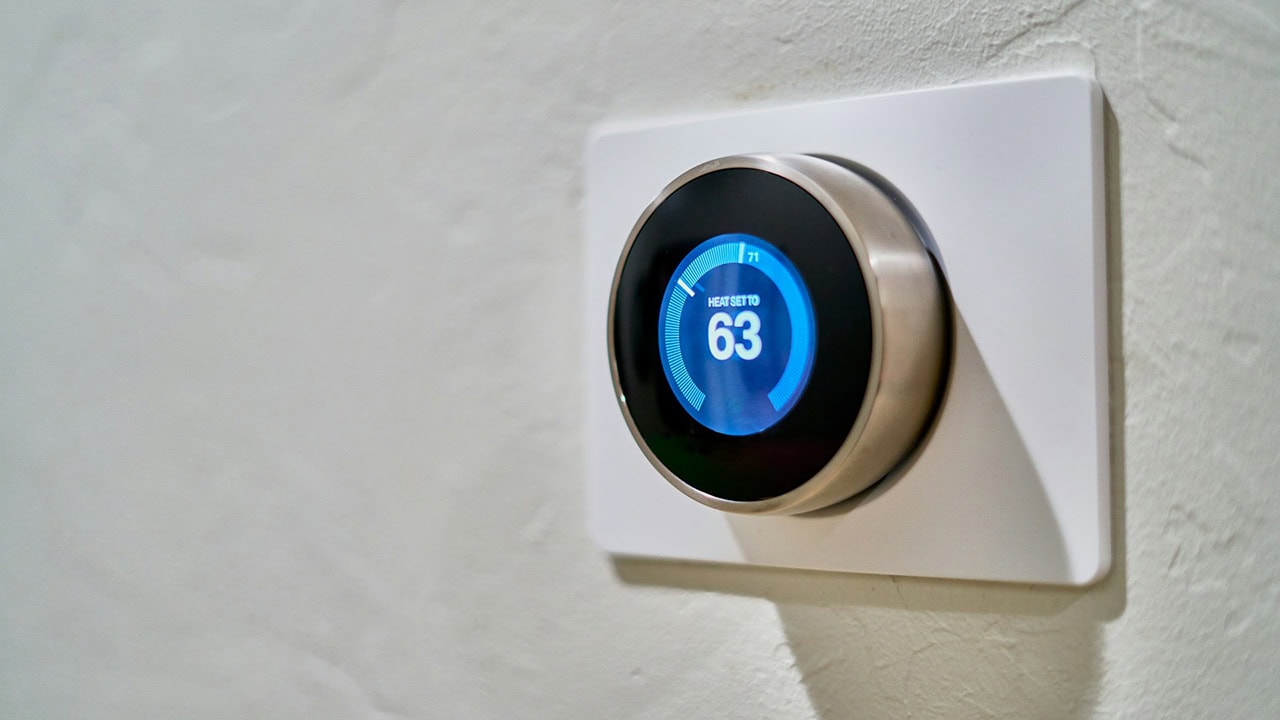
Heating and cooling eat up the biggest share of energy costs. A programmable thermostat lets you scale back when you're asleep or out of the house.
Even a small adjustment-like a couple of degrees-saves a significant amount over time. The best part is once it's set, you don't have to think about it daily.
Sealing Drafts
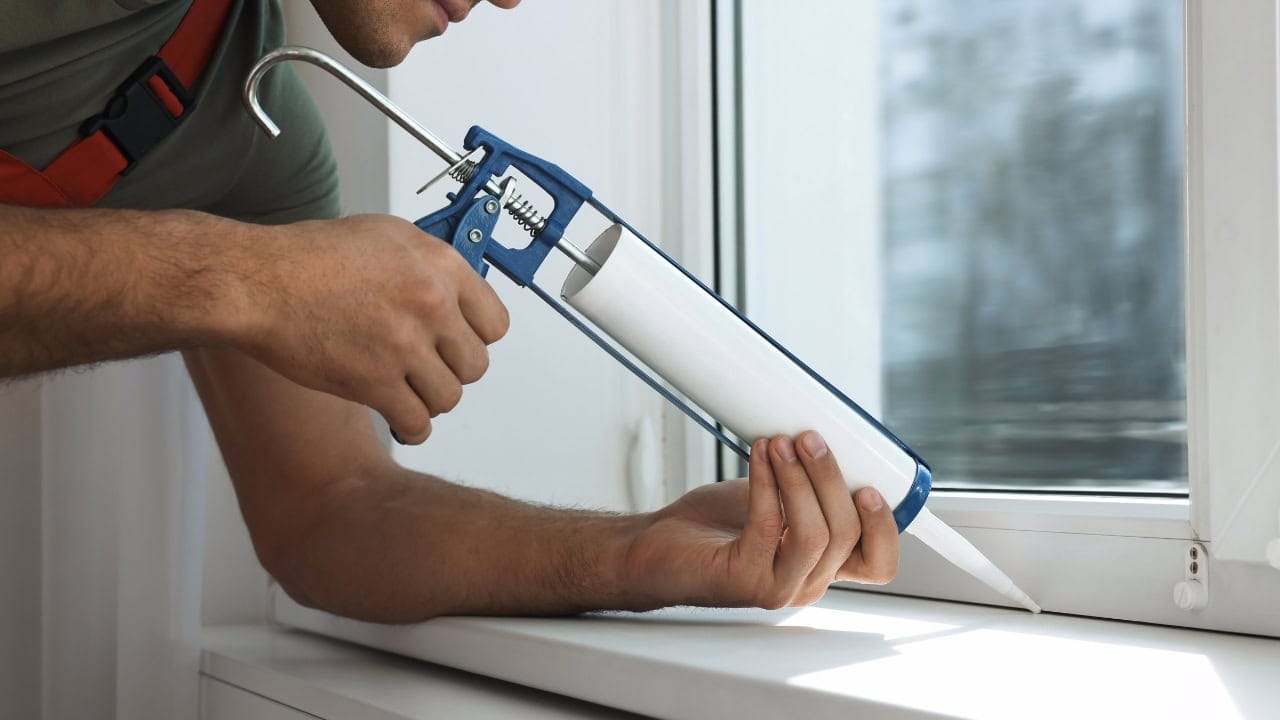
Leaky windows and doors let conditioned air escape, which makes your system work harder. It's one of the fastest ways money slips out of your home.
Weatherstripping, caulk, or even a draft stopper can fix the issue for under $20. Keeping the air inside stable reduces energy use and keeps rooms more comfortable.
Shortening Showers

Hot water accounts for a big chunk of utility bills, and long showers add up quickly. Cutting back by just a few minutes makes a real difference.
Low-flow showerheads also reduce water use without lowering water pressure. Together, these changes trim both water and energy costs.
Maintaining Appliances
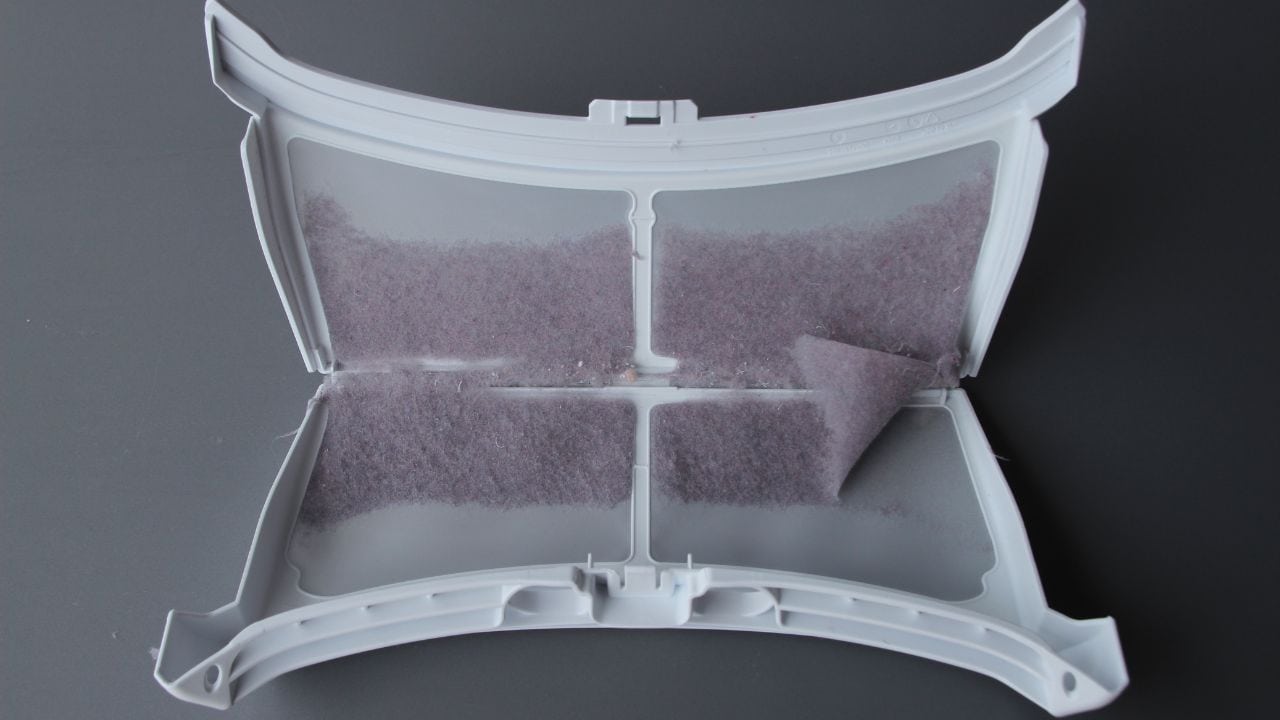
When appliances like your dryer or HVAC aren't maintained, they run less efficiently and cost more to operate. Dirty filters, clogged vents, and ignored upkeep quietly add to your bill.
Making maintenance part of your routine helps them last longer and use less energy. A few minutes of care saves money month after month.
Air-Drying When Possible
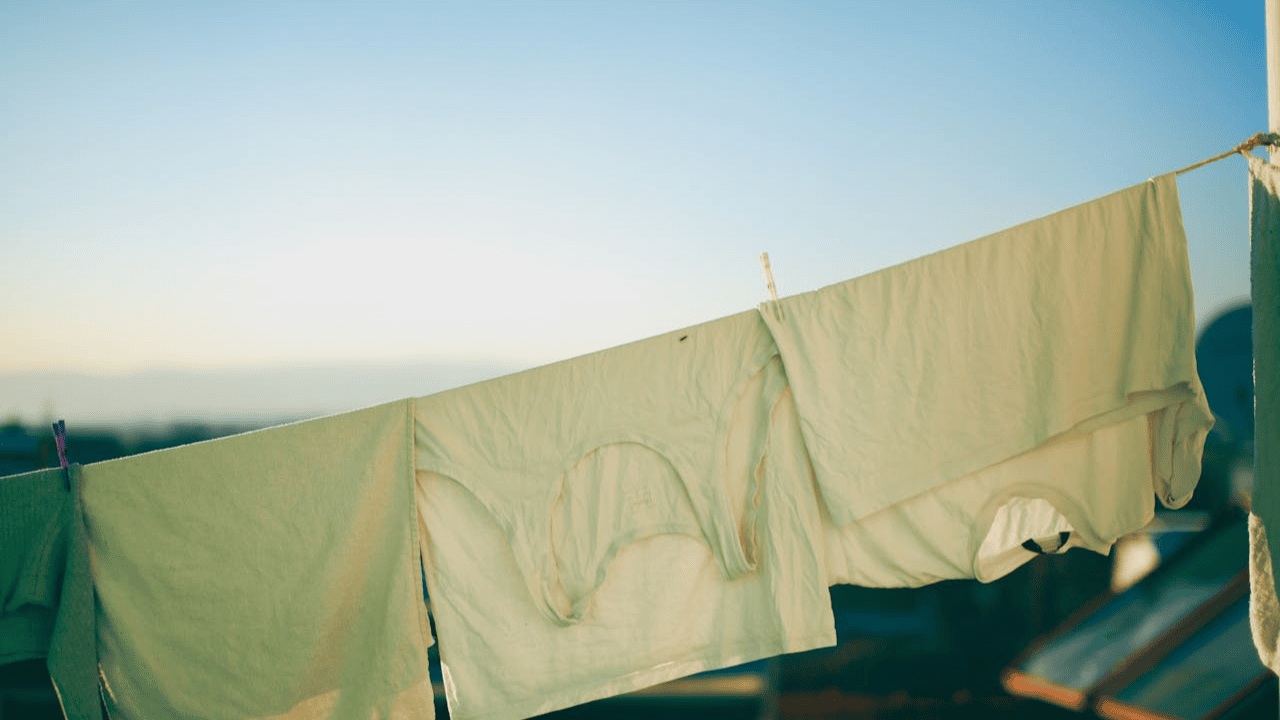
Dryers are one of the most expensive appliances to run. Hanging clothes on a rack or line instead saves both electricity and wear on your clothing.
Even switching half your loads to air-drying cuts a big expense. It's a habit that pays off every single month.
Using Cold Water for Laundry
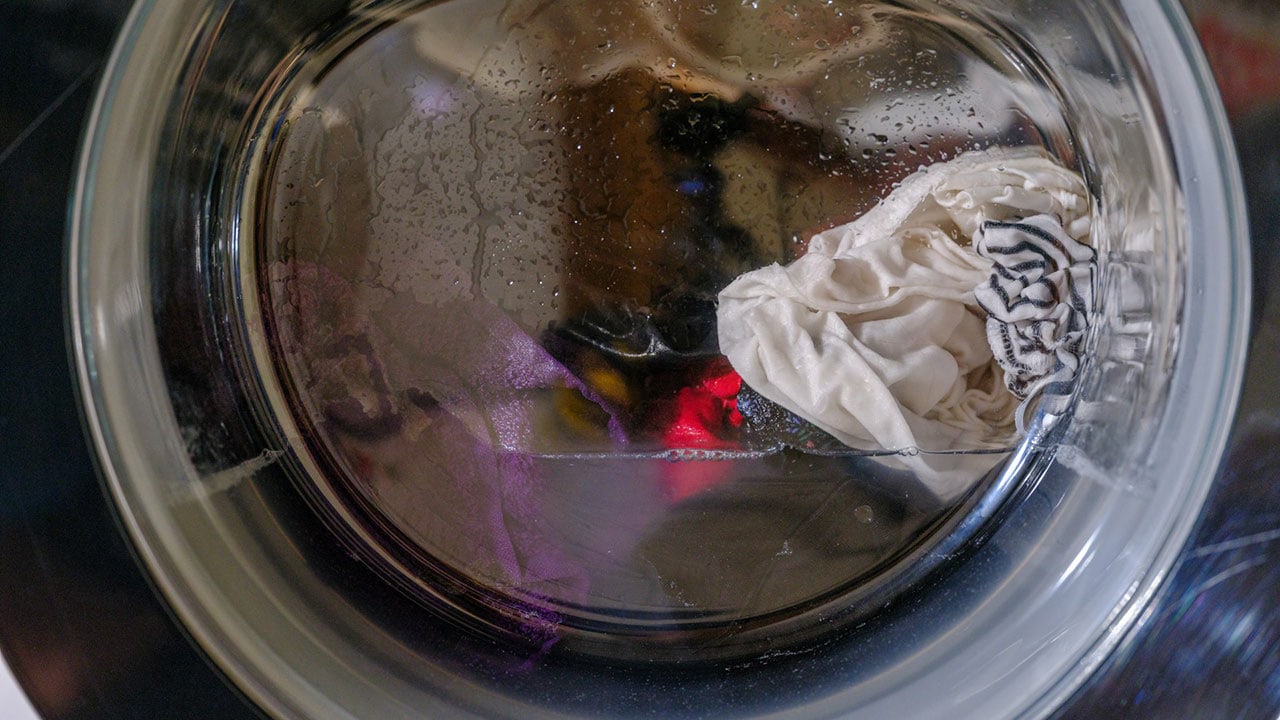
Most of the cost of doing laundry comes from heating water. For everyday loads, cold water cleans just as effectively with modern detergents.
Switching to cold water means less energy used without sacrificing results. It's one of the easiest habits to adopt for ongoing savings.
Cooking Efficiently

Using the oven for small meals wastes energy. Relying on smaller appliances like the microwave, toaster oven, or slow cooker when possible uses far less.
Batch cooking also helps since heating the oven once for multiple meals stretches the energy further. Little changes in cooking habits make a surprising difference.
Fixing Leaks Quickly
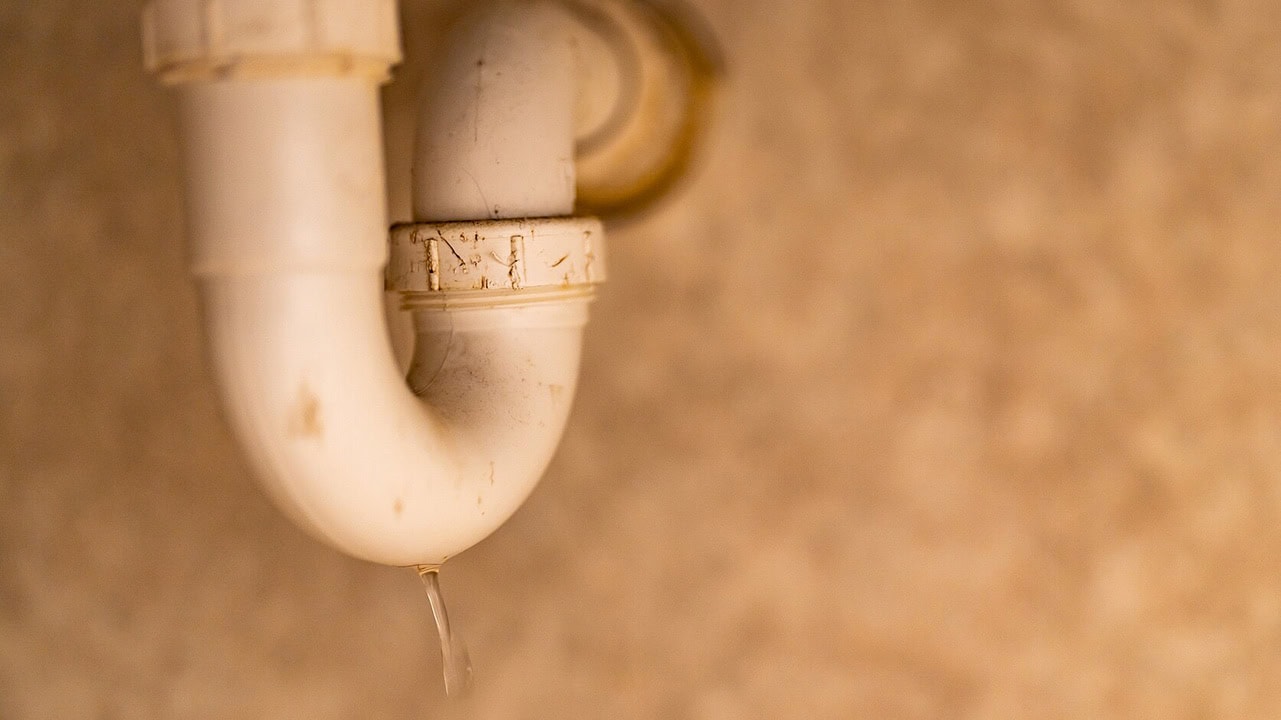
Dripping faucets or running toilets waste more water than you might think. Even small leaks can add gallons to your bill over the month.
Making it a habit to fix leaks right away saves money instantly. Most of the time, it's a cheap part or quick adjustment that prevents higher costs.
*This article was developed with AI-powered tools and has been carefully reviewed by our editors.






Leave a Reply