

Burnout doesn't always show up like a breakdown. Sometimes it's the sneaky stuff-ordering takeout for the third time that week because you're too tired to cook, skipping appointments you already paid for, or impulse spending trying to feel better. I've been there.
But once I started building in a few grounding habits, I stopped hitting that wall so often. These things didn't cost anything-but they helped me keep my energy up, avoid unnecessary expenses, and handle life better when it gets busy.
Saying No Without Explaining Everything

Overcommitting adds up. You stretch yourself thin, and then you're too wiped to do the things that actually matter to you. That's when you start spending more-on convenience, stress relief, or last-minute fixes.
Learning to say no without a whole explanation saved my sanity. It stopped the cycle of agreeing to things I didn't have time or capacity for, which helped me protect my actual priorities and avoid those "burned out and broke" moments.
Putting the Phone Down After 9 PM

Late-night scrolling messes with your sleep and your headspace. I used to stay up scrolling through nonsense until midnight, then wonder why I felt sluggish and behind before the day even started.
Now I plug in my phone across the room after 9. It's not about being perfect-it's about giving your brain a break. Better rest means better decisions, fewer stress purchases, and more margin in your day.
Building in 10-Minute Resets
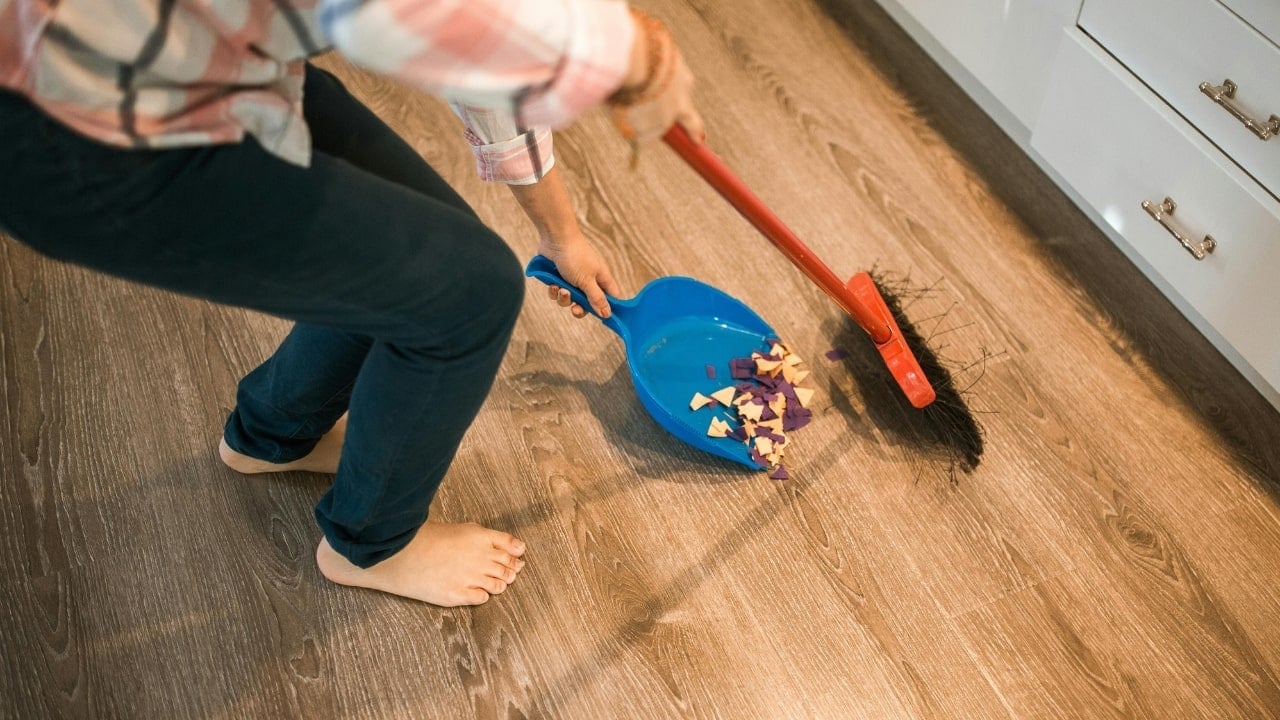
Instead of letting messes build and overwhelm me, I started using 10-minute resets throughout the day. One before lunch, one before bed. It keeps everything manageable without draining me.
You don't need to deep clean. Set a timer and knock out whatever's making the space feel chaotic. That quick hit of progress makes your home feel lighter and saves you from those burnout-fueled cleaning marathons.
Actually Using the Calendar

Mental clutter contributes to burnout fast. I used to keep everything in my head-appointments, deadlines, birthdays-and then beat myself up when I forgot something.
Now I write it all down. Using the calendar consistently keeps me from overbooking, helps me plan ahead, and prevents that last-minute scramble that always leads to unnecessary spending or stress.
Prepping Something for Myself Too

It's easy to prep snacks for the kids or lay out clothes for everyone else and forget yourself entirely. But when you leave your own needs until the last second, you're more likely to spend out of desperation.
Even prepping one thing for myself-like overnight oats or a set of clothes I actually feel good in-helps me avoid burnout triggers. It's a small act of care that makes the whole day smoother.
Keeping a 'Low-Energy List'

Some days you have no bandwidth, but if you do nothing, it piles up fast. I started keeping a running list of low-energy tasks that still help me feel productive-wiping counters, folding towels, deleting old emails.
Having a go-to list keeps me from defaulting to scrolling or mindless online shopping. I can still get something done without overdoing it, and that helps protect my energy and my bank account.
Making One Decision Ahead of Time
Decision fatigue is real. It sneaks up when you're making 200 little calls a day-what to wear, what to eat, what to do first. That mental drag leads to burnout faster than you think.
So I pick one thing to decide ahead of time every day. It might be dinner, or the top priority for the morning. That one clear plan helps me feel more in control and cuts back on overwhelm.
Letting Go of Perfect Timing

Waiting for the perfect time to start something often leads to never starting. I used to think I needed a clean house, quiet kids, and a full block of time to do anything meaningful.
Now I take what I can get-five minutes here, half a load of laundry there. Letting go of the perfect setup helps me stay afloat, so things don't snowball and leave me playing expensive catch-up later.
Checking in Weekly, Not When It's Too Late

I used to wait until I was drowning to assess what needed to change. By that point, I was already spending more and coping less effectively.
Now I check in weekly-What's working? What's draining me? Do I need to ask for help? That reflection keeps burnout from creeping in and gives me time to make small, manageable shifts before things spiral.
Doing One Thing at a Time

Multitasking makes everything take longer and leaves you feeling fried. I used to juggle laundry, emails, and cooking all at once and still end the day feeling behind.
Focusing on one thing at a time helps me move through the day without that constant background stress. It sounds too easy, but it really did help me save my time, energy, and money-all things burnout likes to drain fast.
*This article was developed with AI-powered tools and has been carefully reviewed by our editors.






Leave a Reply