
Filling up is one of those routines you do without thinking, but a few small habits can quietly cost you money-or even wear out your vehicle faster. From timing your fill-ups wrong to using the wrong gas grade, most people make the same mistakes every week.
A few minutes of awareness can save you at the pump, stretch your tank, and keep your car running like it should. Here's what you'll want to stop doing next time you pull in.
Topping Off After the Pump Stops
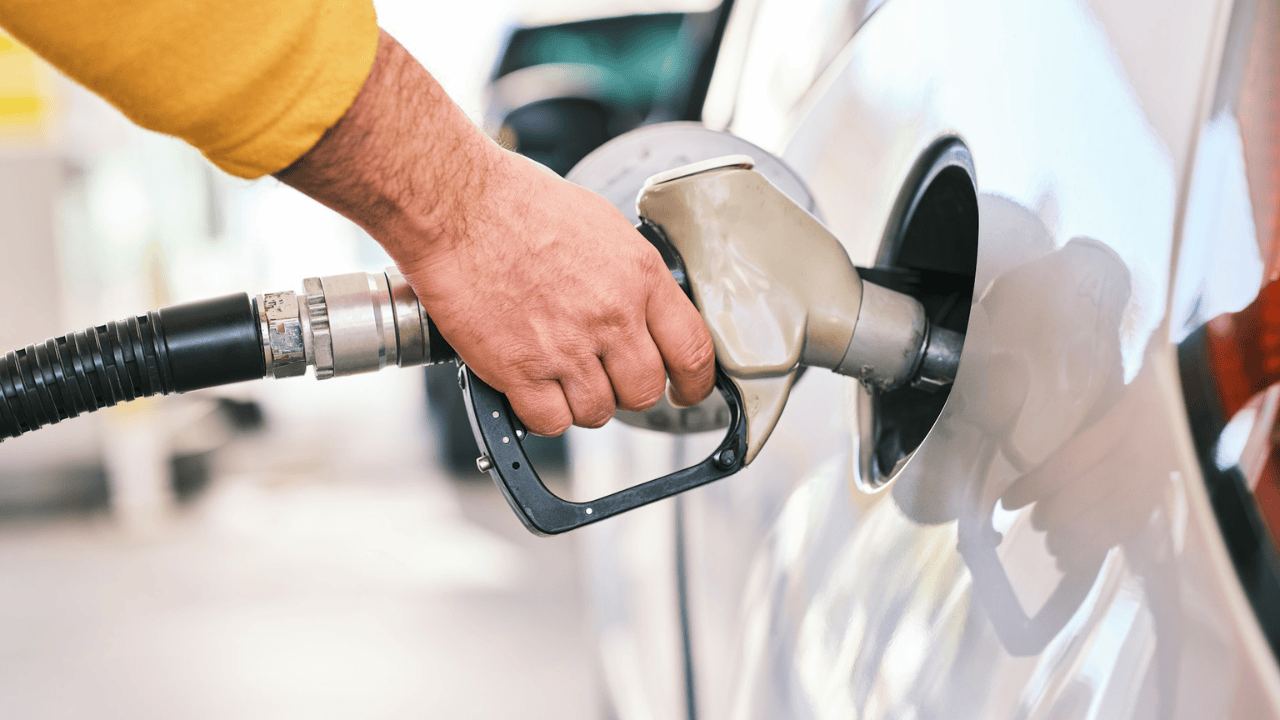
When the pump clicks off, that's your cue to stop. Adding extra gas can overflow the tank or damage the vapor recovery system, which helps control emissions. That system isn't cheap to fix-most repairs cost hundreds of dollars. Plus, the extra fuel you squeeze in usually evaporates or ends up wasted. Letting the pump stop naturally saves you money and avoids unnecessary damage.
Ignoring Tire Pressure Before Long Drives
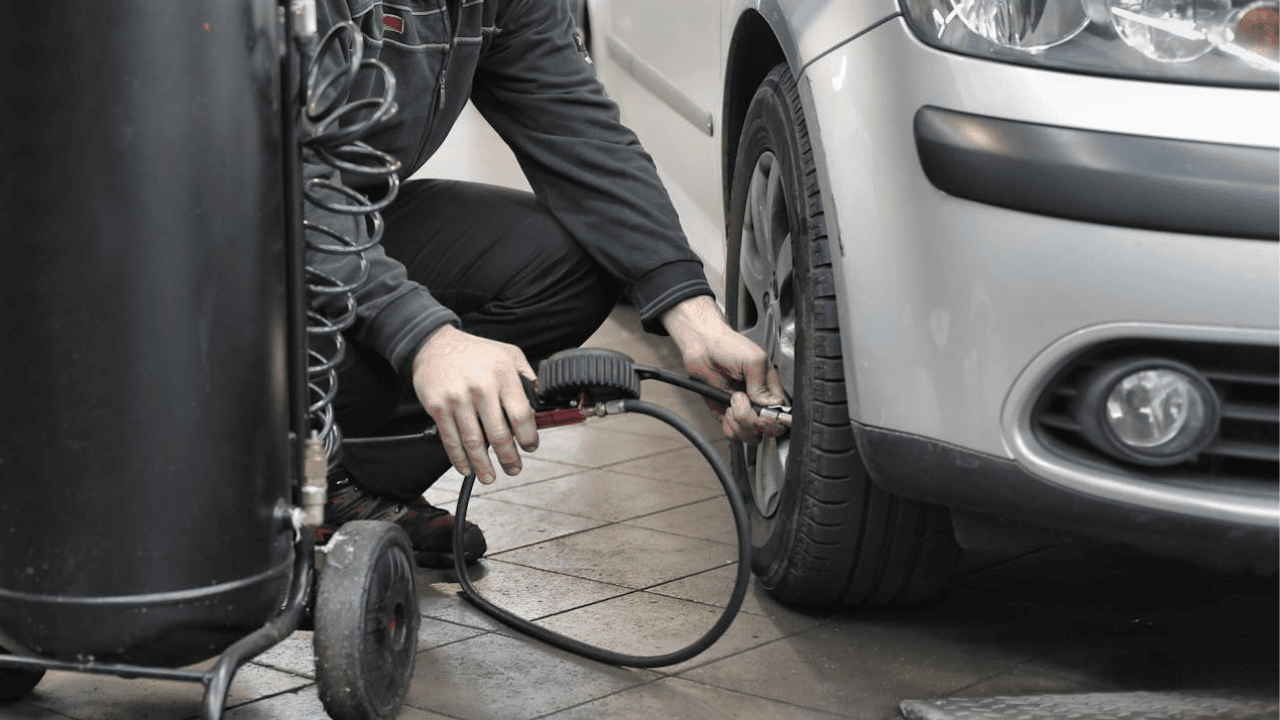
Low tire pressure doesn't just affect handling-it burns through fuel faster. According to the U.S. Department of Energy, underinflated tires can lower your gas mileage by about 0.2% for every psi below the recommended level. That adds up over time. Keeping a small tire gauge in your glove box and checking once a month (or before long trips) can make a noticeable difference in both performance and fuel costs.
Using Premium When You Don't Need It
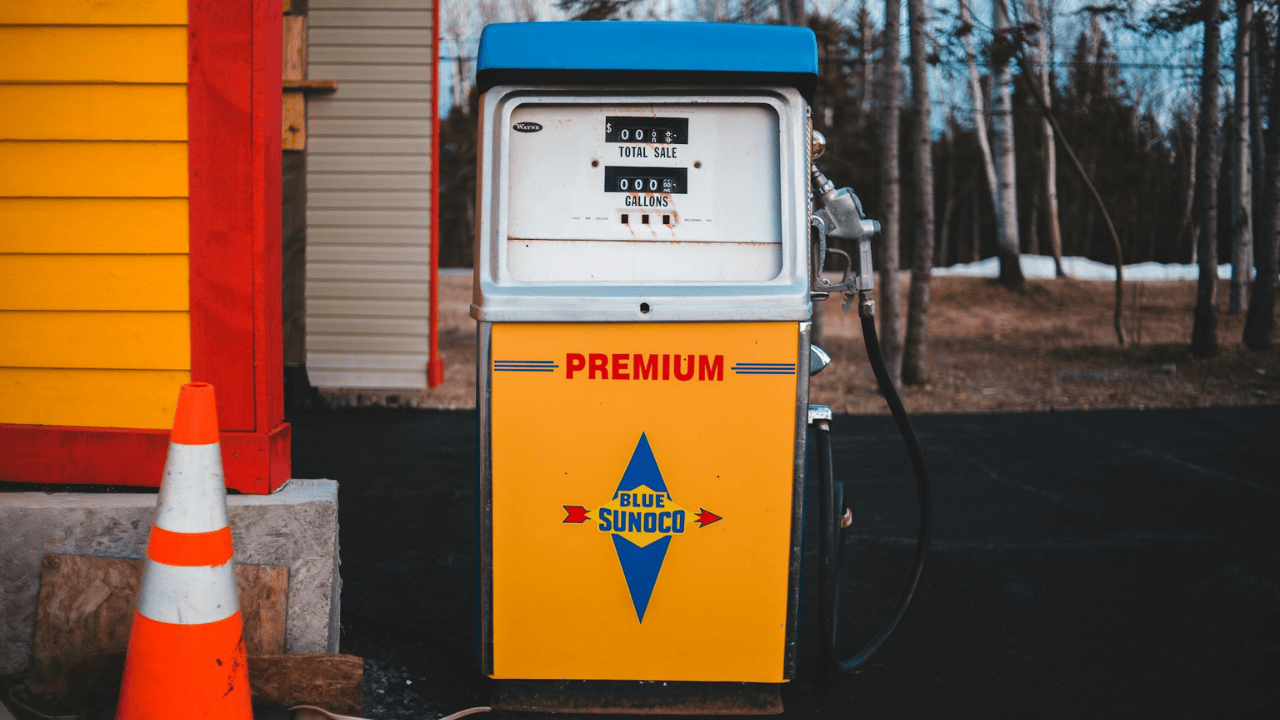
Gas stations love when drivers pay extra for premium fuel, but most cars don't need it. Unless your owner's manual specifically calls for it, regular unleaded works perfectly fine. Using premium doesn't clean your engine better or improve mileage-it just empties your wallet faster. Save that extra cash for maintenance that actually matters, like oil changes or air filters.
Filling Up When the Tanker Truck Is There
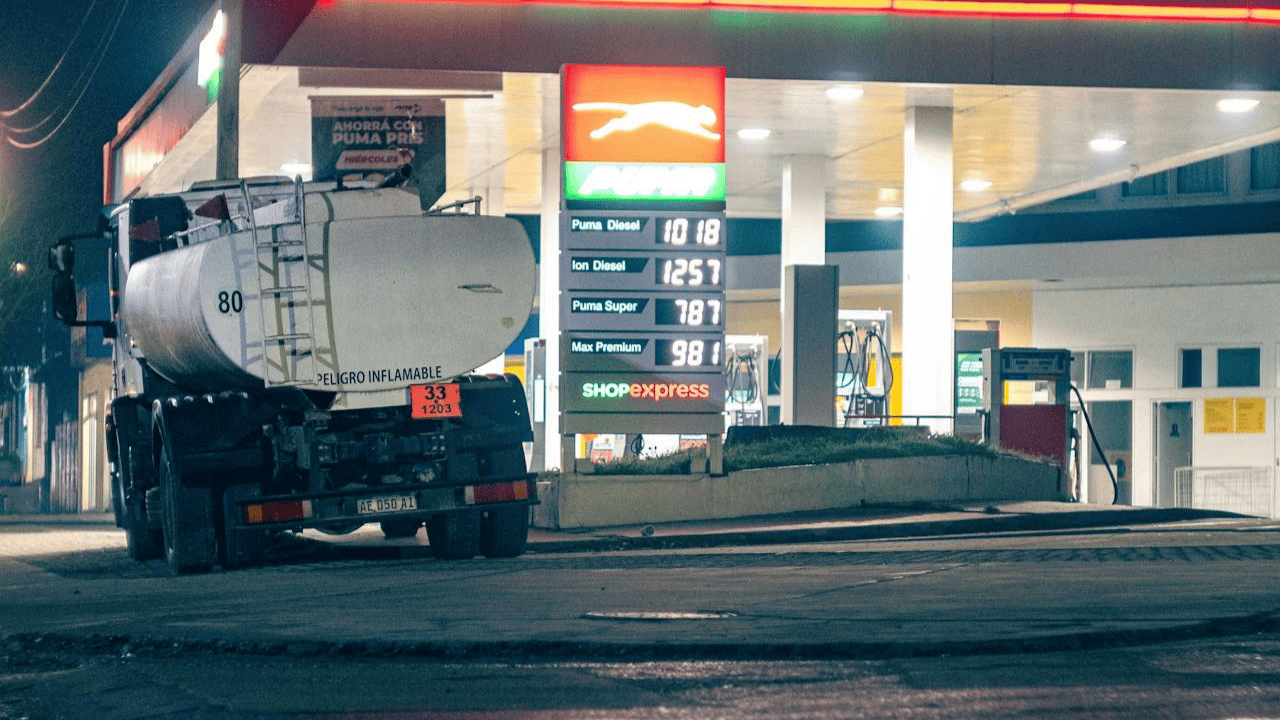
It's best to skip a fill-up when you see a tanker truck refilling underground tanks. That's when sediment and debris at the bottom get stirred up, which can temporarily lower fuel quality. Waiting a few hours lets the fuel settle again, so you're less likely to pump dirt or water into your tank. It's a small thing, but over time it can help keep your fuel system cleaner.
Forgetting to Tighten the Gas Cap
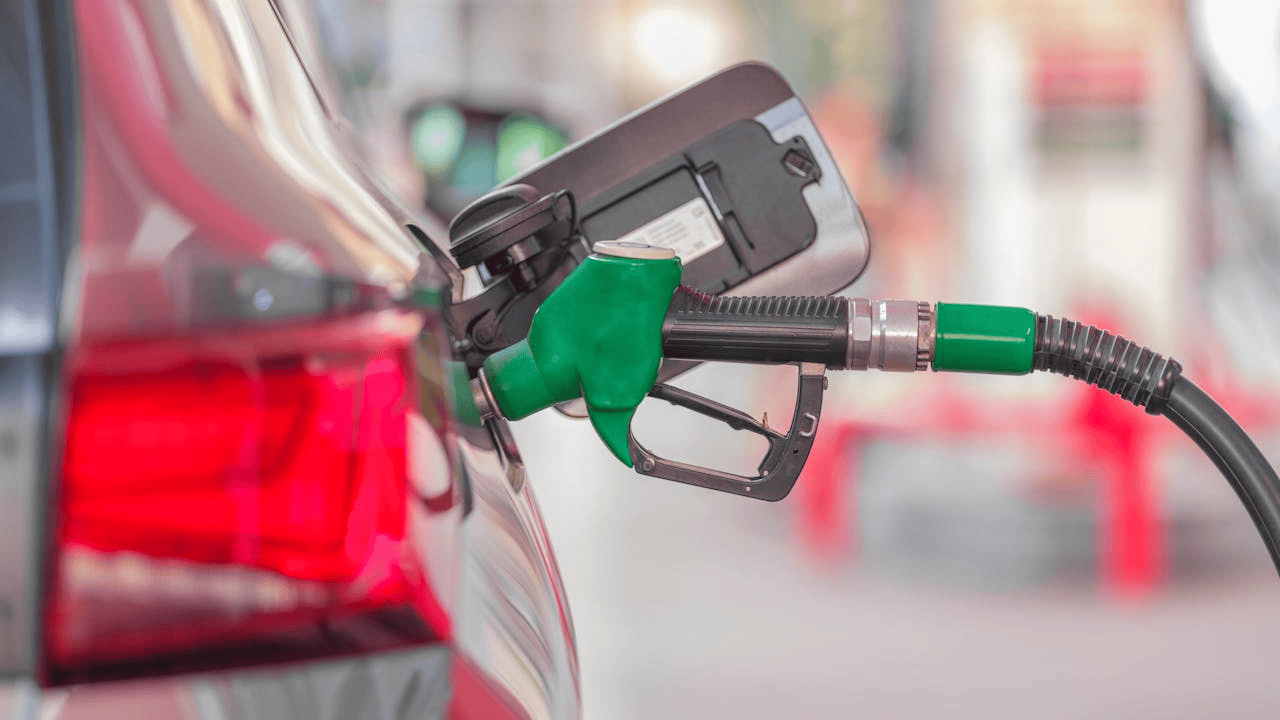
A loose or missing gas cap can make your check engine light come on and let fuel vapors escape. That's money literally evaporating into the air. It can also mess with your car's evaporative emissions system. Always double-check the cap after filling up-it should click a few times when it's properly sealed. A $10 replacement cap is a lot cheaper than replacing damaged sensors later.
Using Your Phone While Pumping
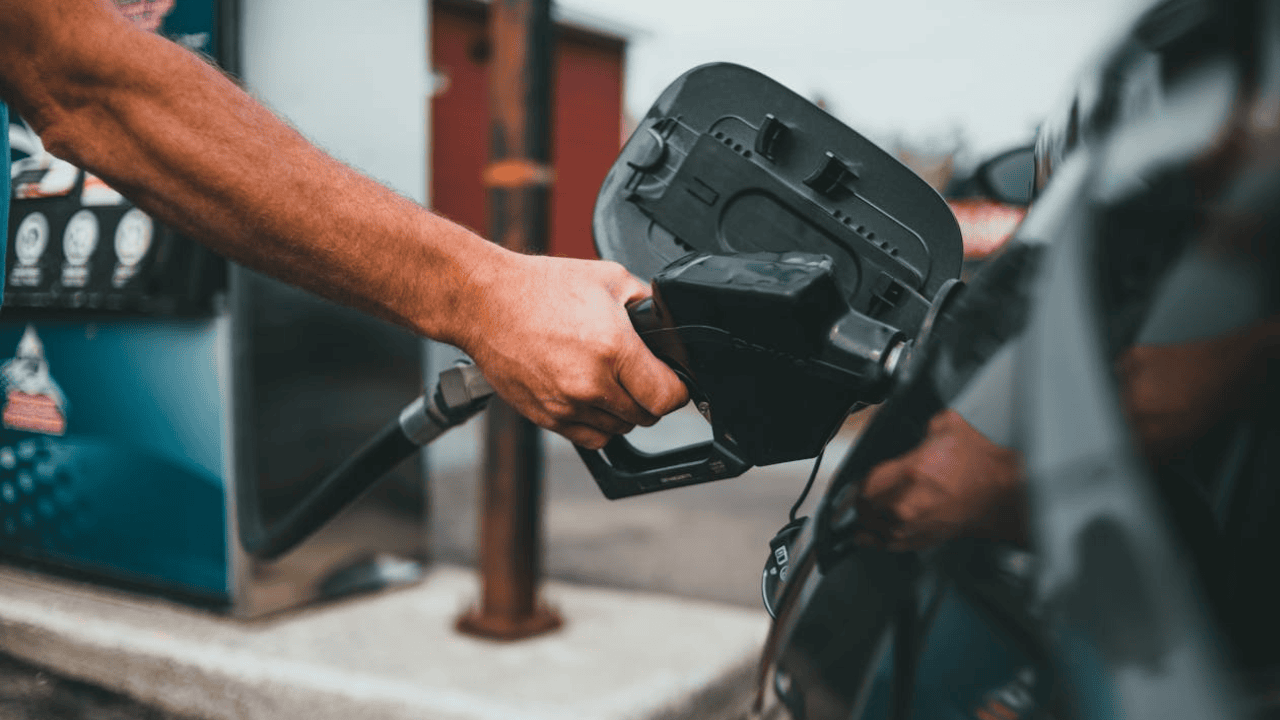
Most stations still warn against using phones at the pump, and while fires from static are rare, distracted fueling can lead to bigger problems. You might overfill, forget your card, or even drive off with the nozzle still attached-it happens more than you think. The safest move is to focus on fueling, then check your phone once you're back in the driver's seat.
Waiting Until the Tank Is Nearly Empty
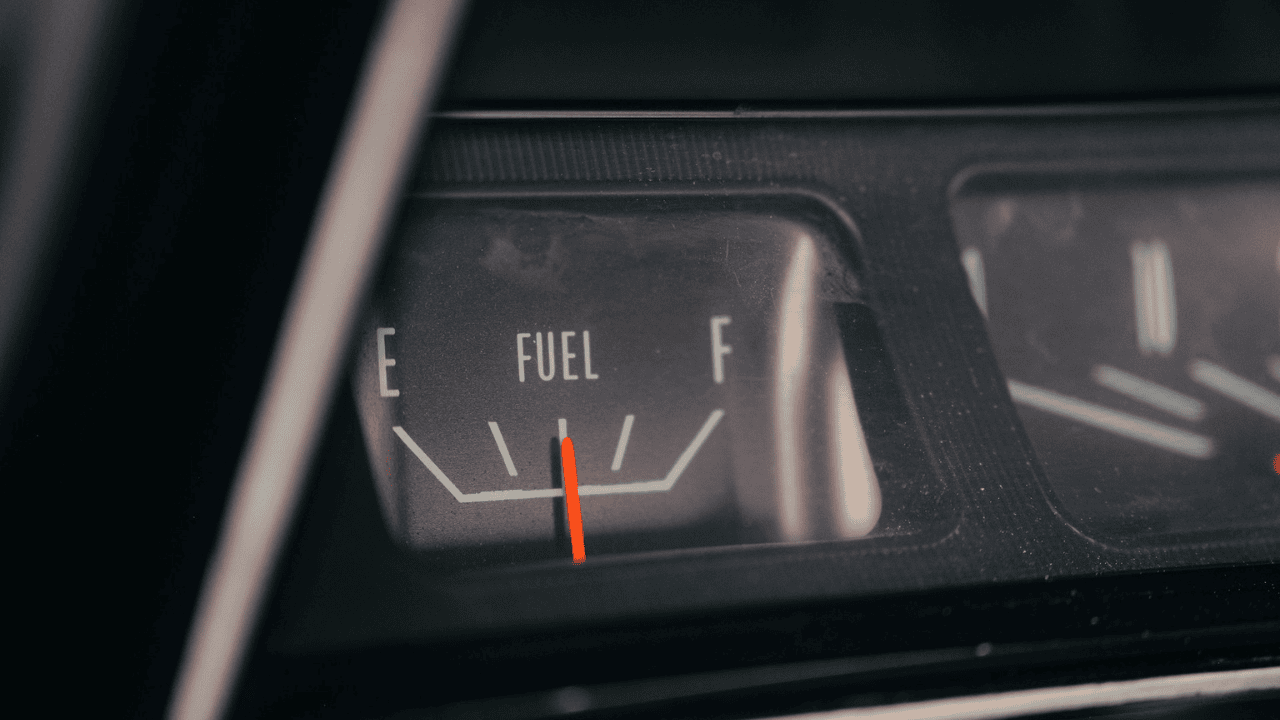
Running your tank down to fumes can cause your fuel pump to overheat and shorten its lifespan. Sediment at the bottom of your tank can also get sucked into the fuel line, clogging filters over time. Try to refuel when you're around a quarter tank left-it keeps your pump cool and your engine happier long term.
Ignoring Station Reputation
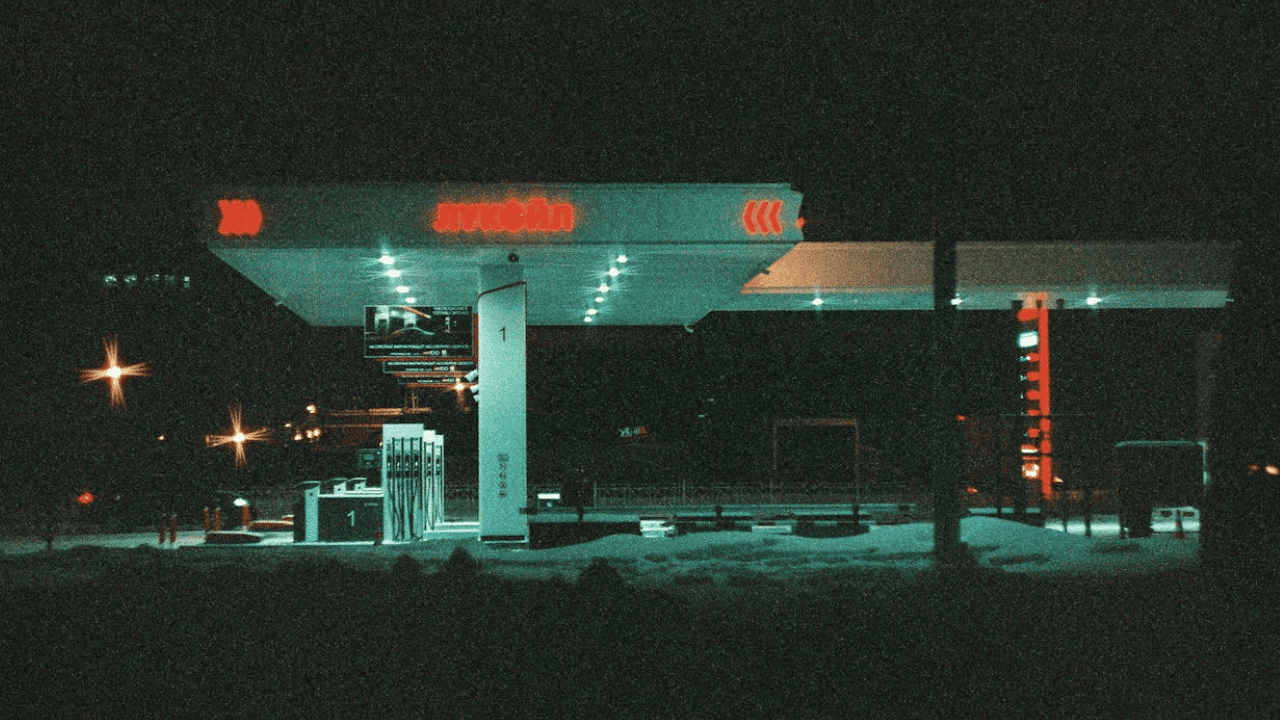
Not all gas stations maintain their fuel tanks equally. Some have older systems that allow more water or dirt contamination. Using Top Tier-certified stations ensures higher detergent levels in the fuel, which helps prevent buildup inside your engine. You can find the list of certified brands online, and it's worth sticking to them for consistent quality.
Paying Without Checking for Rewards
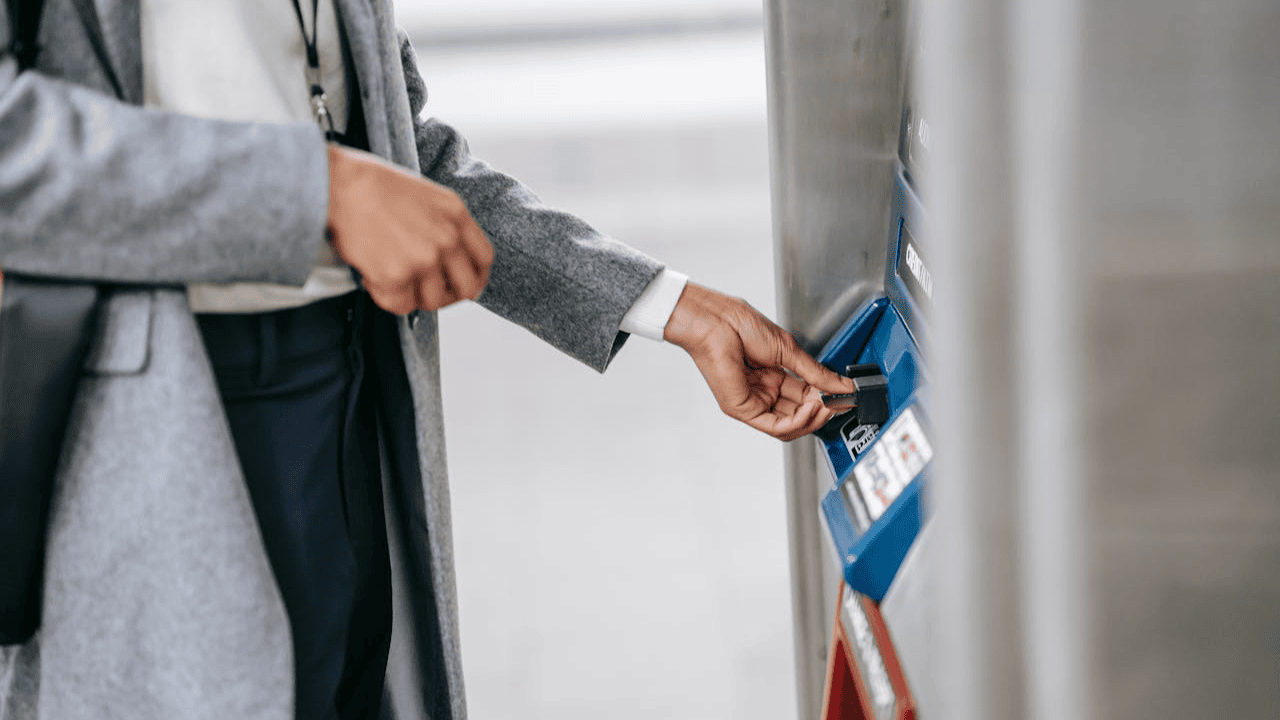
If you're buying gas regularly, you might as well earn something from it. Many stations partner with grocery stores or apps that give cents off per gallon or cash back. Skipping rewards programs is like leaving free money behind. A few minutes setting up an account can easily save you hundreds a year if you drive often.
Forgetting to Wash Off Spilled Fuel
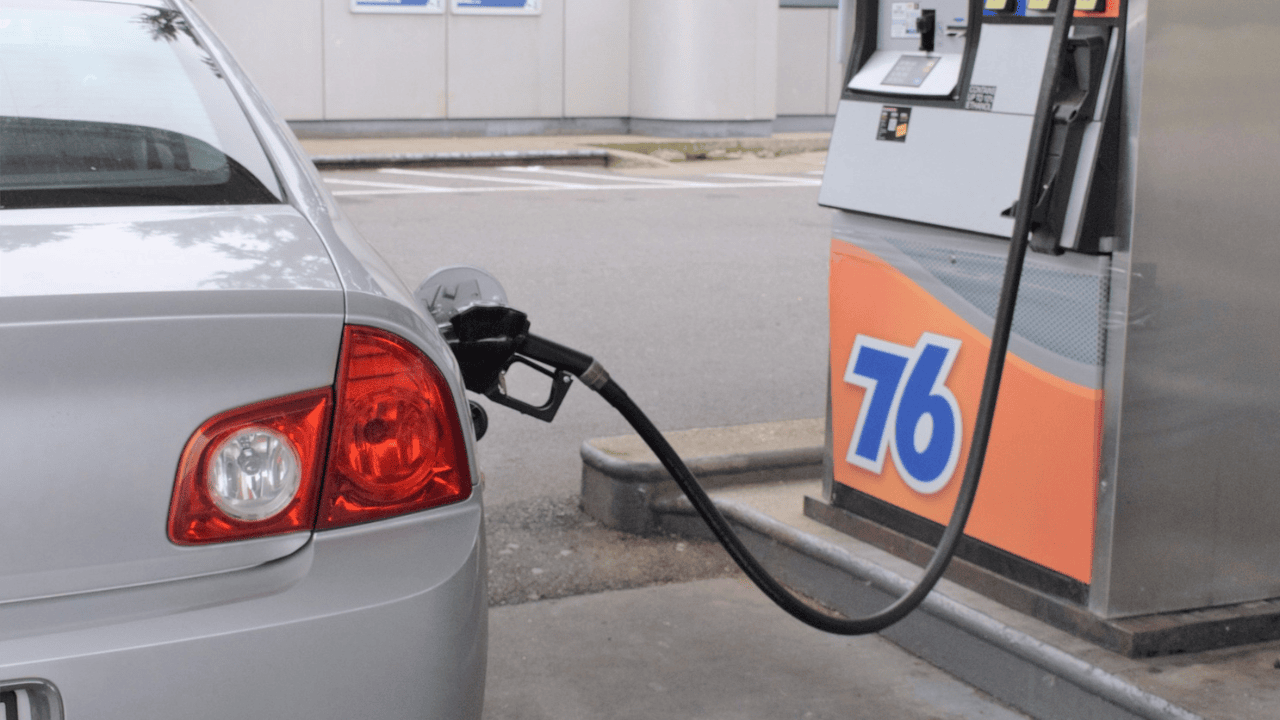
Spilled gas can damage your car's paint and finish if left too long. It eats through the clear coat and leaves behind dull patches or stains. If you accidentally splash fuel while filling up, wipe it off with a damp paper towel or rinse it with water when you get home. It takes less than a minute and saves you from expensive paint repairs later.
*This article was developed with AI-powered tools and has been carefully reviewed by our editors.






Leave a Reply