
10 frugal wins that could bring you $1,300 in 90 days

Saving big in a short amount of time doesn't always mean taking on a side hustle or overhauling your entire lifestyle. Sometimes, it's the smaller wins-swaps, cancellations, and a little strategy-that do the heavy lifting. If you're trying to pocket an extra $1,300 over the next 90 days, you don't have to get extreme. But you do need to be consistent.
These frugal wins don't feel like punishment, but they will help you make progress fast if you stick to them.
Cut Takeout to Once a Week

If you usually eat out three or four times a week, this one move could easily save you $50 or more every week. You're not only avoiding overpriced meals but also all the extras-delivery fees, tips, and upsells.
Replacing those meals with easy freezer dinners or low-effort homemade options adds up fast. Even a $15 shift per meal, done twice a week, turns into $390 in three months without touching your grocery budget.
Pause Every Subscription You Don't Actively Use

We all have at least one subscription we forgot about-or one we're barely using. Go through your account and pause anything that isn't pulling its weight.
Streaming platforms, apps, delivery memberships, digital tools-anything that's on autopay should be questioned. Canceling just $30 worth of subscriptions adds up to $90/month, or $270 in 90 days without making you feel like you're missing out.
Switch to Grocery Pickup

In-store shopping leads to impulse buys, plain and simple. Even if you’re great with a list, walking through aisles makes it way too easy to grab extras.
Ordering your groceries online and picking them up keeps you focused on what you actually need. If you save even $20 per trip and shop once a week, that's $240 back in your pocket in 90 days-without changing what you eat.
Set a 24-Hour Rule for Spending Over $25

When you pause before buying, you buy less. That 24-hour buffer gives your brain time to question if something's worth it-or if you were just bored, stressed, or caught off guard by a sale.
Skipping even one $30 impulse buy per week adds up to $390 in three months. And odds are, you'll skip more than that once you build the habit.
Go Meatless Twice a Week

Protein-heavy meals are some of the most expensive, especially if you're using beef, chicken, or pork multiple nights a week. Cutting two of those meals and going meatless can shave $10-$20 off each grocery run.
You don't have to eat salads or live off lentils-there are filling, family-friendly options that still taste good. Keep it up and you're looking at $120-$240 saved over three months depending on your household size.
Drop Brand Loyalty (Just for a Bit)

Store brands have gotten a lot better-and in many cases, they're made by the exact same manufacturers as the name brands. Swapping to generics on even five staple items can trim $10-$15 per grocery trip.
If you make the switch consistently, that's another $120-$180 saved over 90 days. Try it out and see which ones you can actually stick with long term.
Delay Every Upgrade

That rug, that kitchen gadget, that bathroom update you've been eyeing-it can wait. Holding off on "wants" for 90 days doesn't mean you'll never get them. It means you're choosing to save first.
Avoiding one $100-$200 upgrade each month adds up quickly. Say no to three non-essentials and you're $300 richer with barely any sacrifice.
Use Cash for Fun Money Only

Pull out $40 or $50 in cash on Monday and use that for anything fun-coffees, impulse buys, or small treats. Once it's gone, it's gone.
That visual limit does more than a bank app can. It keeps your fun spending intentional and caps the random purchases that fly under your radar. Stay consistent and you could pocket $300+ in savings by the end of the third month.
Make One Weekly Swap for a Free Version
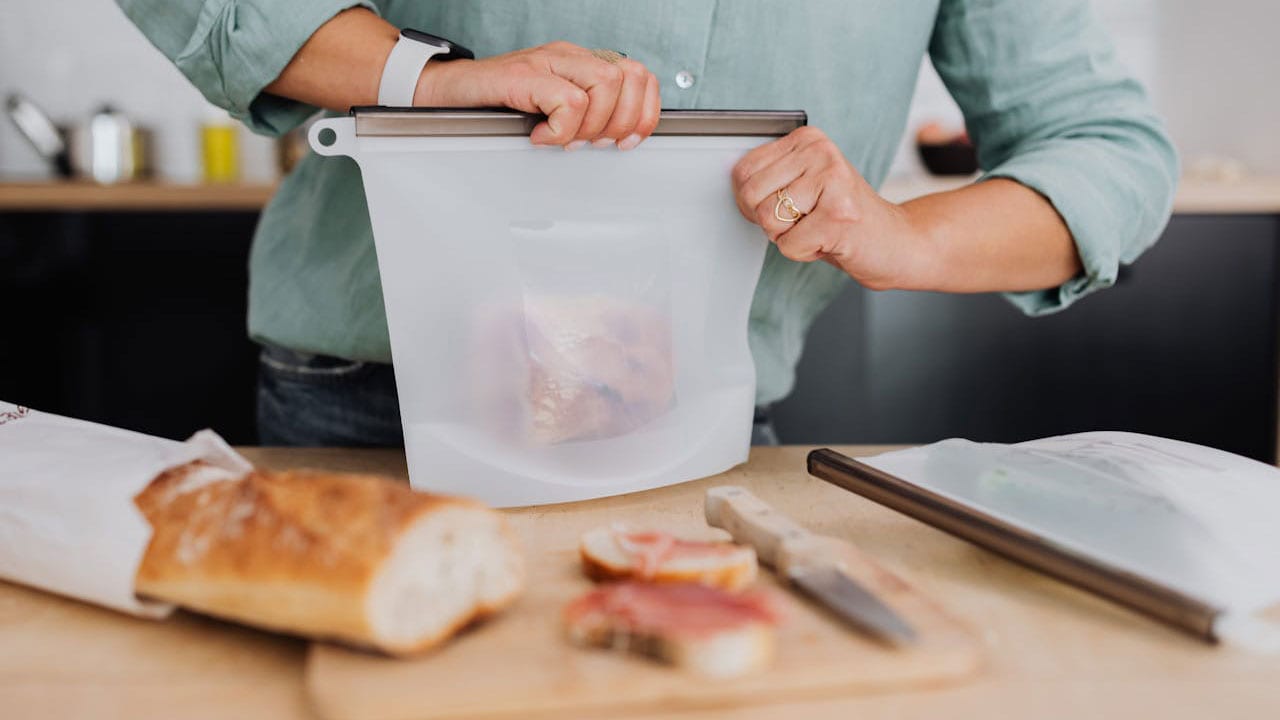
Once a week, replace something you'd normally pay for with a free alternative. Stream a movie instead of renting one. Hit the park instead of the arcade. Pack your own lunch instead of eating out.
Even saving $15 a week this way puts $195 back in your bank account by the end of 90 days. It doesn't have to feel like sacrifice-it just has to be smart.
Sell One Thing a Week

You've got stuff sitting around that could be sold locally or online. Make it a goal to offload one thing every week-an old toy, an unused kitchen tool, a pair of shoes that didn't fit right.
Even if each item only brings in $20-$30, that's $260-$390 over the course of 90 days. And once you get going, it's easier to keep spotting more things you don't need.
*This article was developed with AI-powered tools and has been carefully reviewed by our editors.






Leave a Reply