
When a warning light pops up on your dashboard, it's easy to brush it off-especially if the car seems to be running fine. But those little lights are there for a reason, and ignoring them can turn a cheap fix into an expensive problem fast.
Some alerts are about safety, while others mean your engine or transmission could be on the verge of major damage.
Here's what those common warning lights are really trying to tell you and why you shouldn't wait to deal with them.
Check engine light
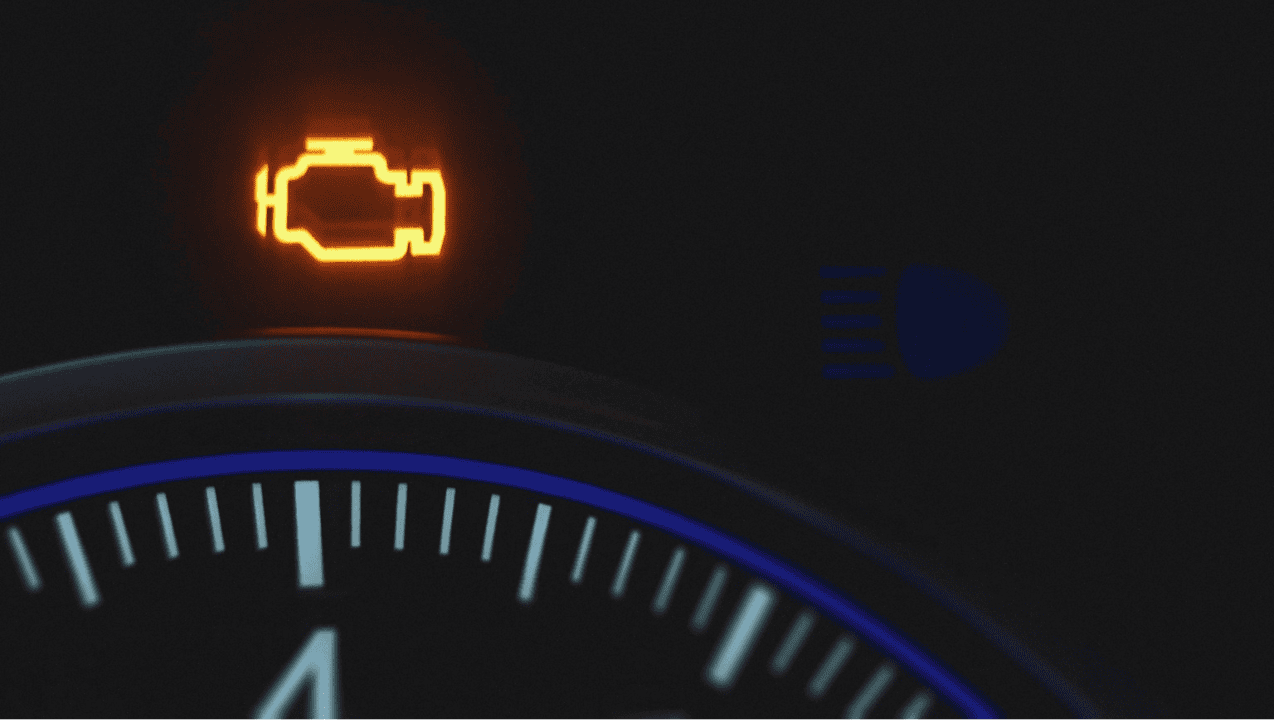
This one gets ignored more than any other, but it can mean anything from a loose gas cap to a failing catalytic converter. If it stays on solid, get it checked soon with a code reader or at a parts store-they'll usually scan it for free. Ignoring it could lead to poor gas mileage, rough idling, or even permanent engine damage.
If the light starts flashing, stop driving immediately. That means there's an active misfire that can destroy your catalytic converter or overheat the engine in minutes. Tow it to a shop instead of risking a breakdown or a much bigger repair bill.
Oil pressure warning
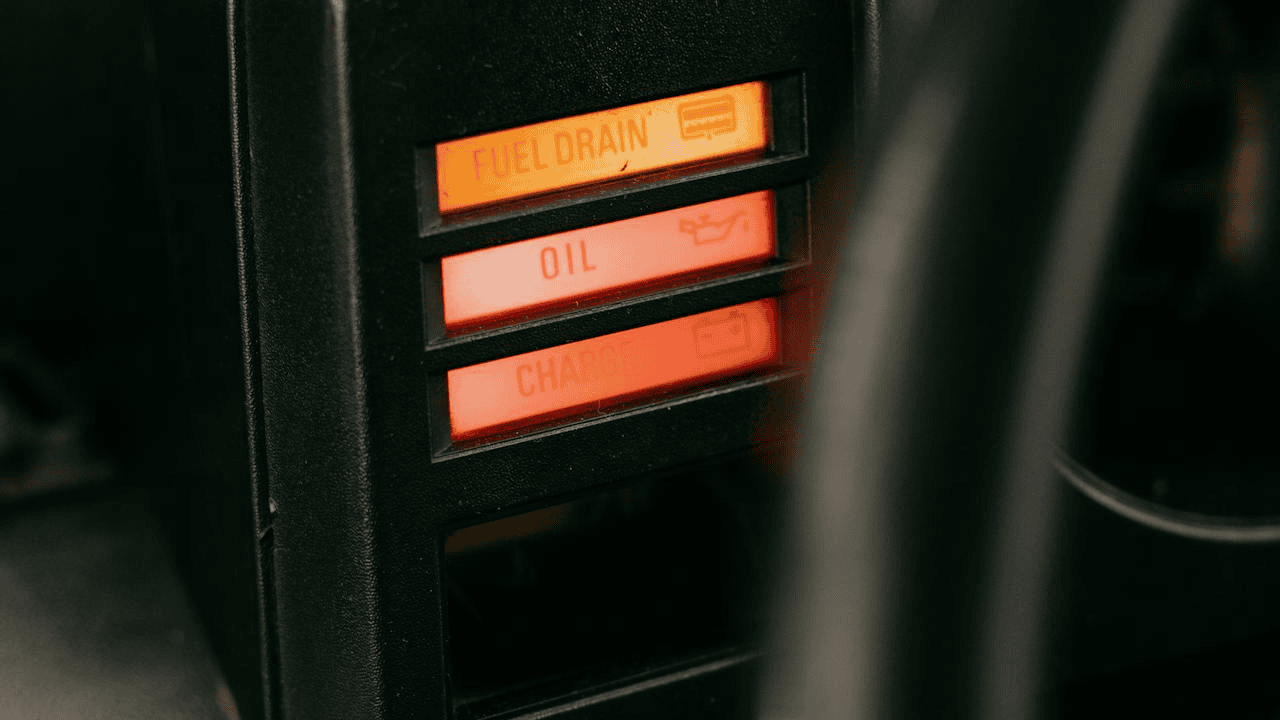
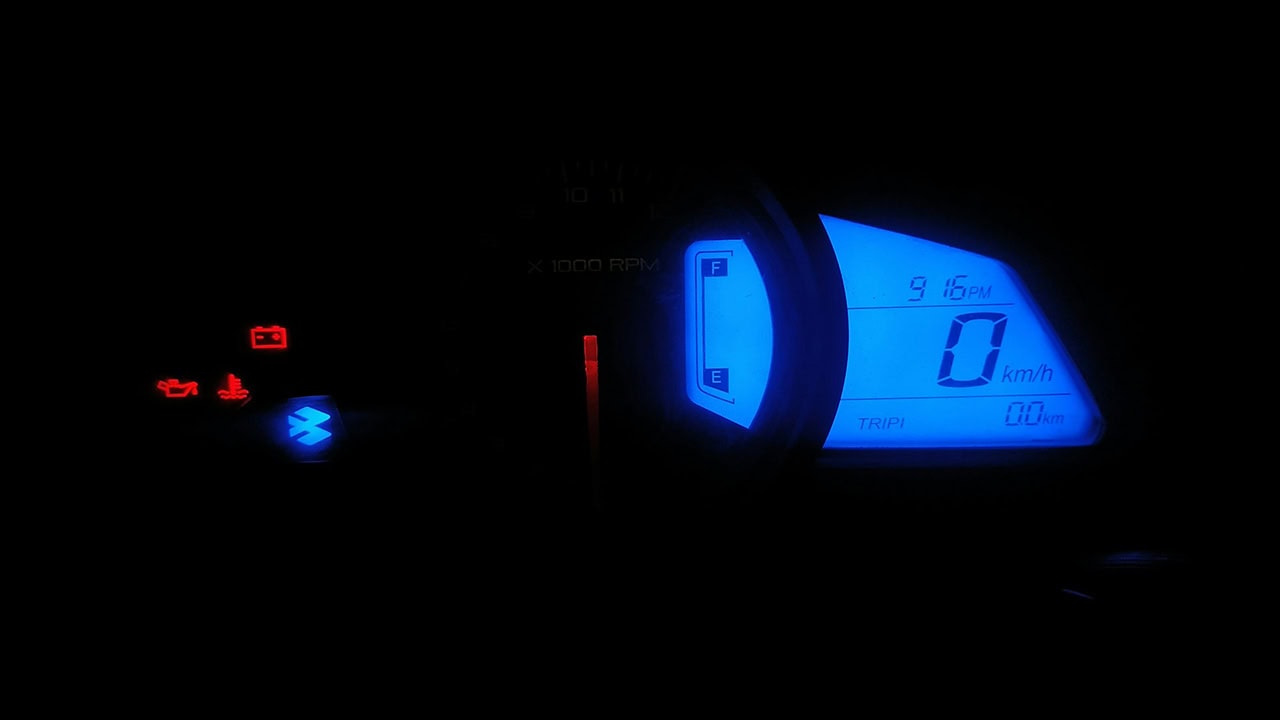
When that little oil can icon shows up, it's serious. It usually means your oil level is dangerously low or that the oil pump isn't circulating properly. Without enough lubrication, engine parts start grinding together and can seize within minutes.
Check the dipstick right away. If the oil level is fine, have the car towed to a mechanic-this isn't something to drive on. Low oil pressure is one of the fastest ways to kill an engine completely.
Battery light
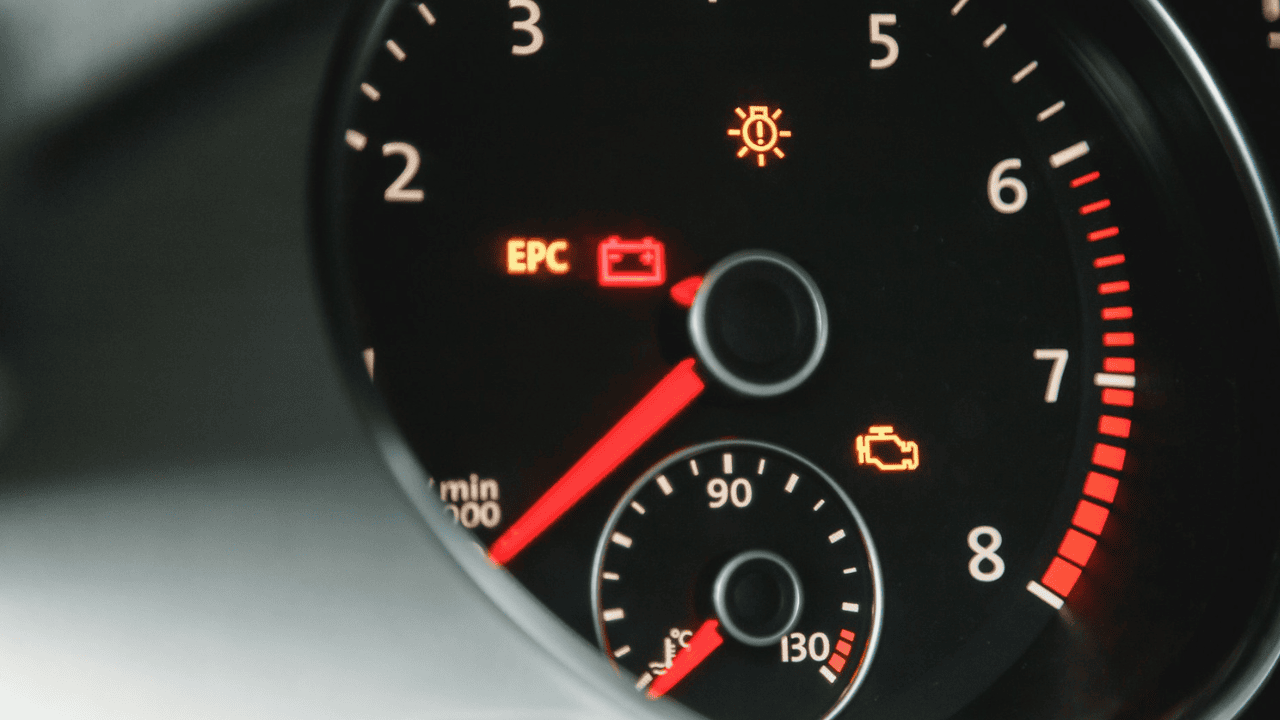
The battery light doesn't always mean your battery is bad-it can also signal a problem with the alternator or electrical system. If it comes on while driving, your car is running off stored battery power, and you could lose power steering, lights, and even engine control once it drains.
Turn off anything unnecessary like the radio or AC and head straight home or to a shop. A quick test will tell you whether it's the battery or charging system, and catching it early can keep you from getting stranded.
Brake warning light
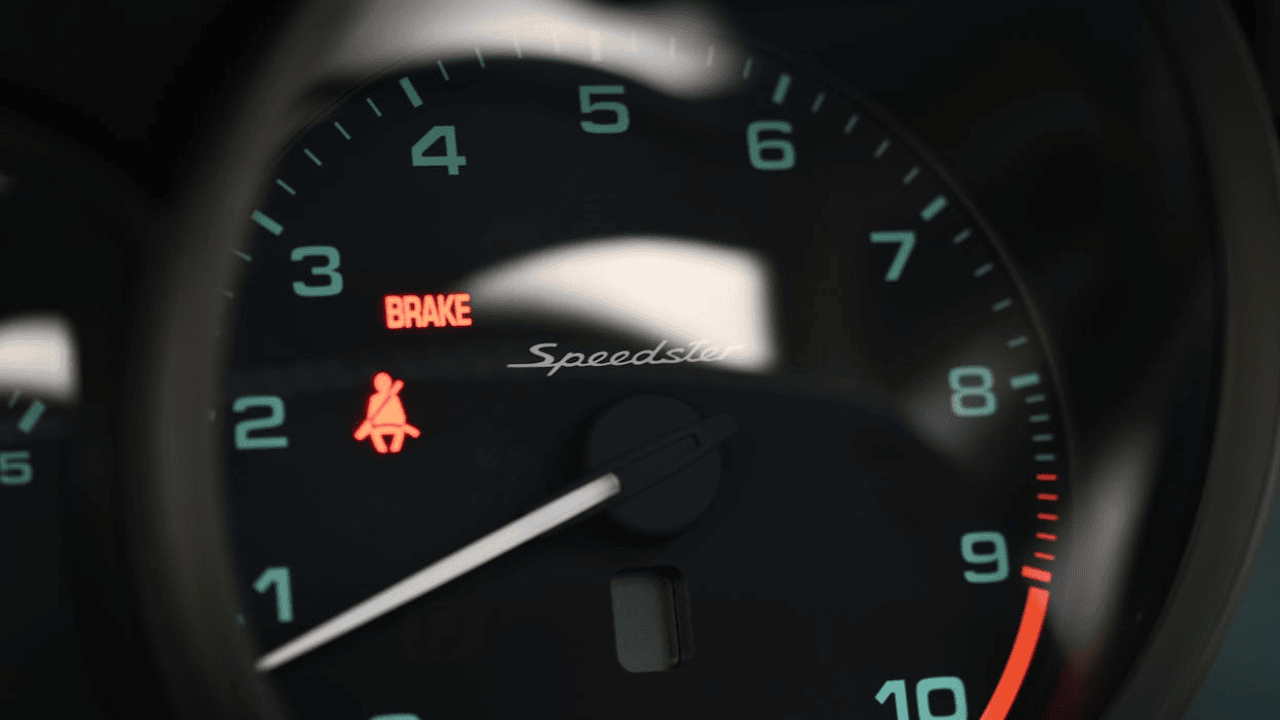
A red brake light could mean your brake fluid is low or there's a serious issue with the system. It can also indicate the parking brake is still engaged, so double-check that first. If the light stays on, don't keep driving.
Brake issues aren't something you can afford to wait on. Losing pressure or fluid means your stopping distance could increase dramatically-or the brakes could fail altogether. Top off brake fluid only as a temporary measure until a mechanic inspects it.
Coolant temperature warning
When that temperature gauge creeps into the red or a thermometer icon appears, your engine is overheating. Pull over right away and shut it off. Continuing to drive can warp your cylinder head or crack the block-both expensive repairs.
Let the engine cool completely before opening the radiator or coolant reservoir. Once it's safe, check for leaks, a broken fan, or low coolant. Even a small leak or stuck thermostat can cause overheating, and fixing it early keeps you from blowing the engine.
Tire pressure warning
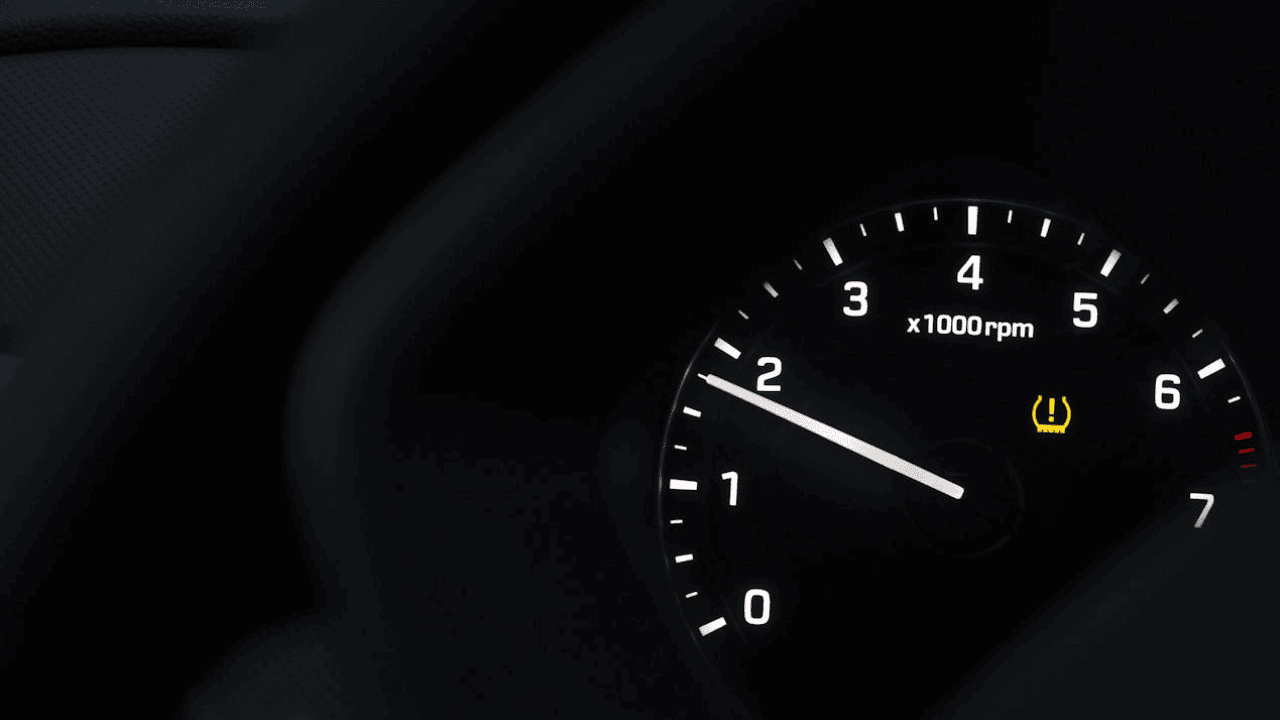
That horseshoe-shaped light with an exclamation point means at least one tire is low. Driving too long with low pressure wears tires unevenly, hurts gas mileage, and increases the risk of a blowout.
Check your tires with a gauge instead of guessing. Sometimes it's just a seasonal drop in pressure, but if one tire keeps losing air, you might have a slow leak. Keeping your tires at the right PSI helps them last longer and keeps your car handling safely.
ABS light
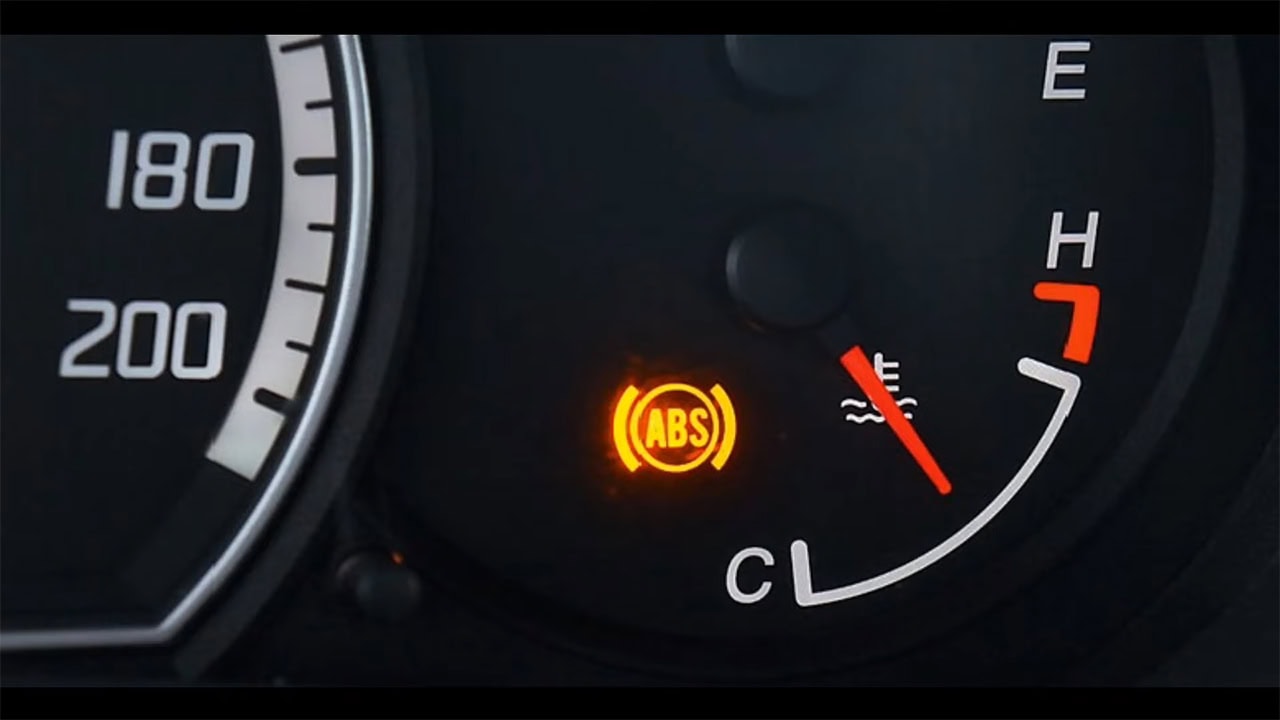
The ABS light means your anti-lock braking system isn't functioning properly. You'll still have regular brakes, but your car might skid under hard braking or in slick conditions. That's especially dangerous in rain or snow.
Sometimes it's a bad wheel sensor or low brake fluid, but it's worth diagnosing soon. Fixing it early can prevent uneven braking wear or a failed system that compromises safety when you need it most.
Airbag warning light
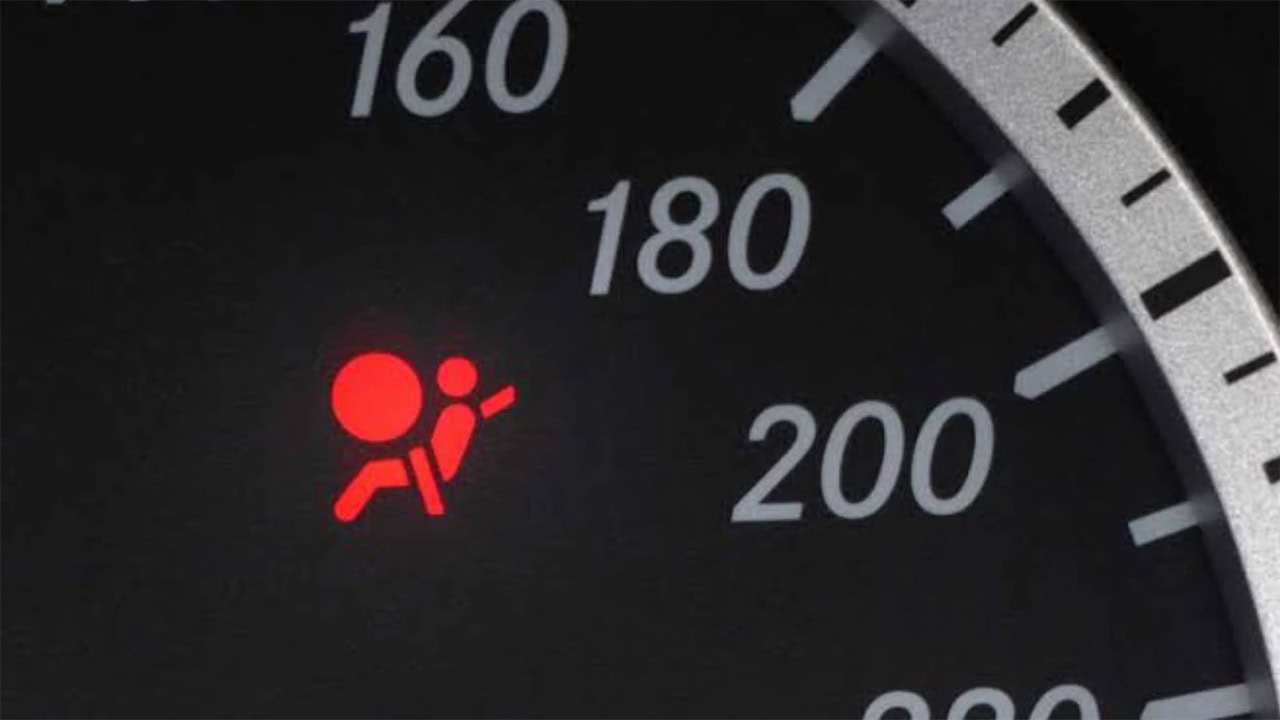
If your airbag light stays on, it means the system won't deploy properly in a crash. That could be due to a faulty sensor, a bad connection, or a control module issue. Either way, it's not something to ignore.
Airbag repairs might not be cheap, but they're far less costly than the injuries that can happen if they fail during an accident. A quick scan at a shop can tell you exactly what's wrong and get the safety system back online.
Traction control or stability light
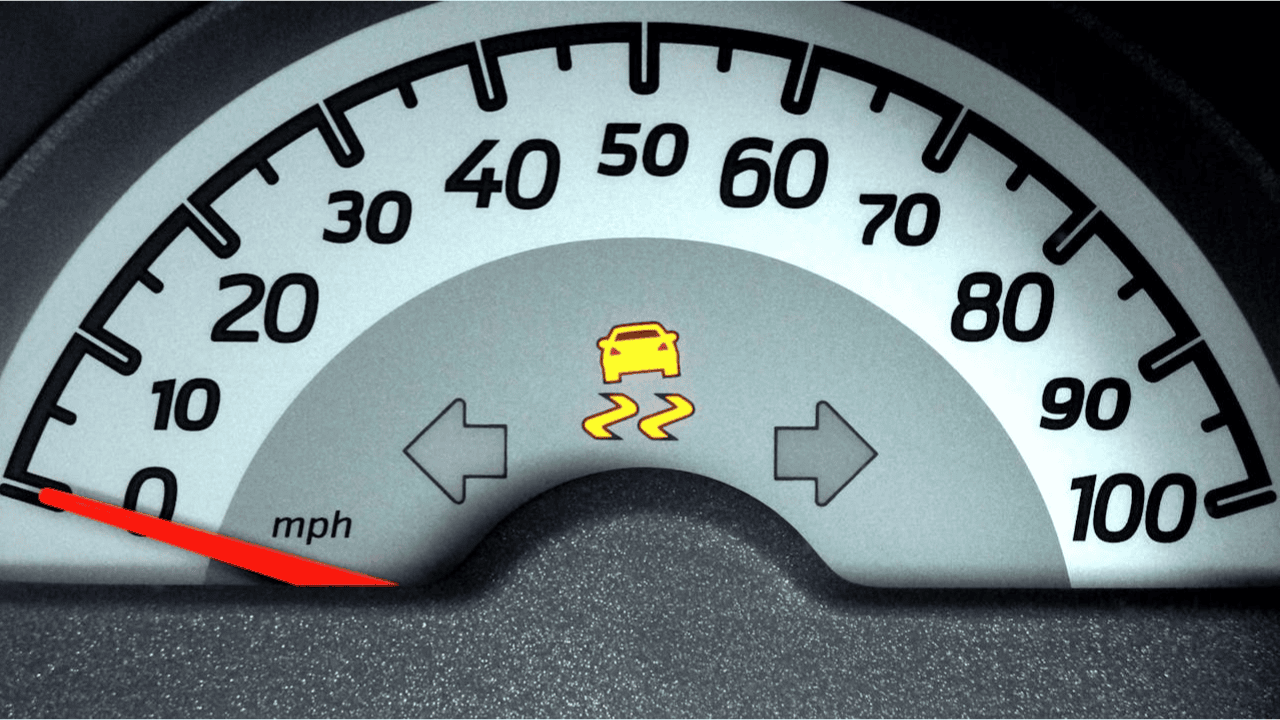
This light usually flashes when your car's traction control system is actively working to keep the tires from spinning. But if it stays on, the system could be disabled, leaving you without electronic stability assistance.
It's often triggered by a bad wheel sensor or a problem with the ABS module. While you can still drive, you'll have less control in slippery conditions. Fixing it ensures your car can correct itself during skids or quick maneuvers.
Transmission temperature or malfunction light
A transmission warning is one of the most important to act on. Overheating or slipping can quickly destroy internal components, leading to thousands in repair costs. Stop driving as soon as possible if you see this light.
Check your transmission fluid level and color once the vehicle cools down. Low or burnt fluid can cause damage fast. Getting the transmission serviced or fluid replaced can often prevent total failure if you catch it early.
*This article was developed with AI-powered tools and has been carefully reviewed by our editors.






Leave a Reply