
10 clothing items you should always thrift instead of buy new
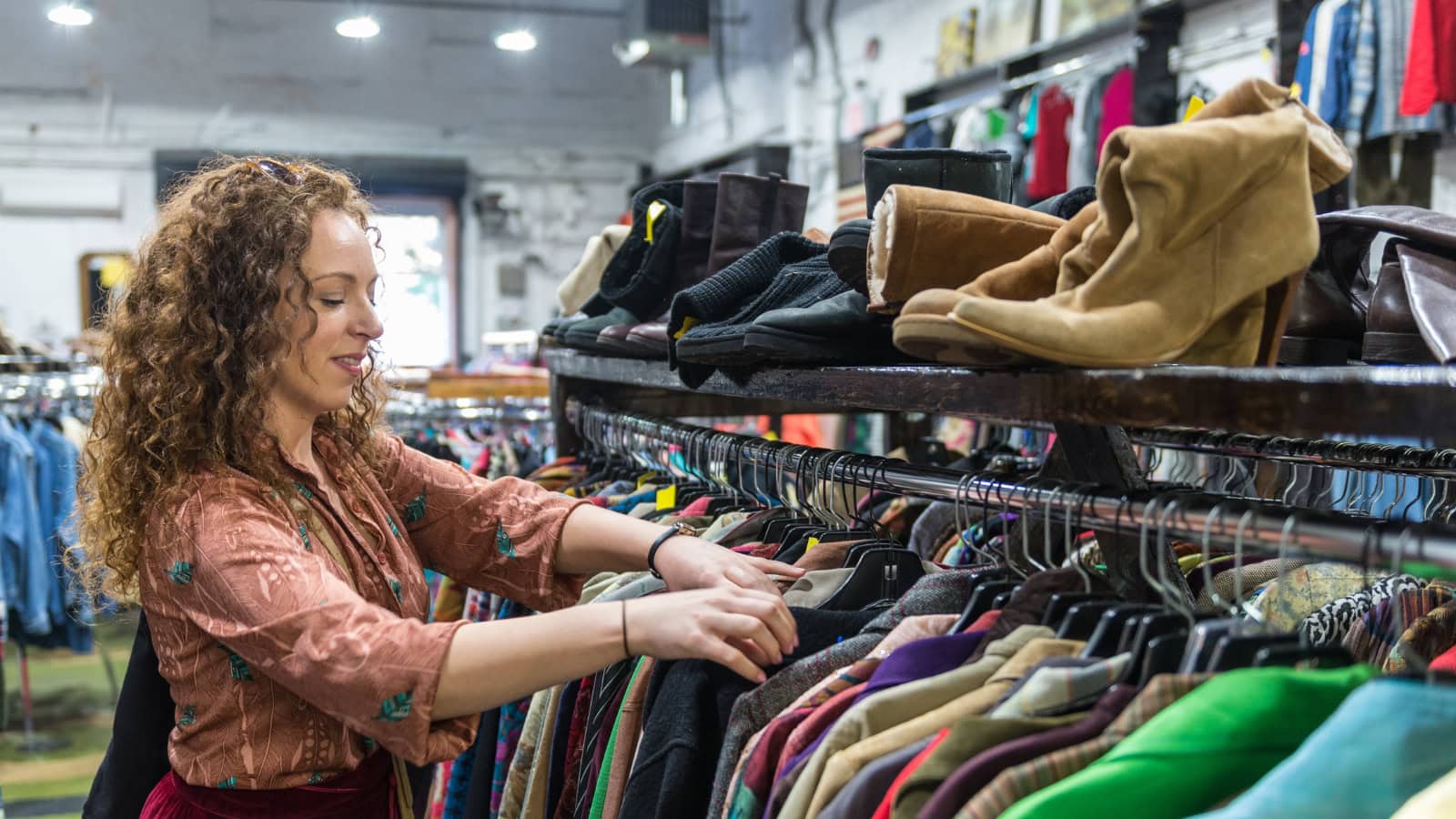
Some clothes are worth buying brand new-but plenty aren't. Thrift stores are full of high-quality, barely worn pieces that would cost triple at retail. When you know what to look for, you can build a wardrobe that lasts longer and looks better for a fraction of the price.
Plus, older clothes were often made with better fabrics and stitching than what you'll find on most modern racks. If you want your money to stretch and your closet to stay full of well-made pieces, these are the items to thrift every time.
Denim jackets
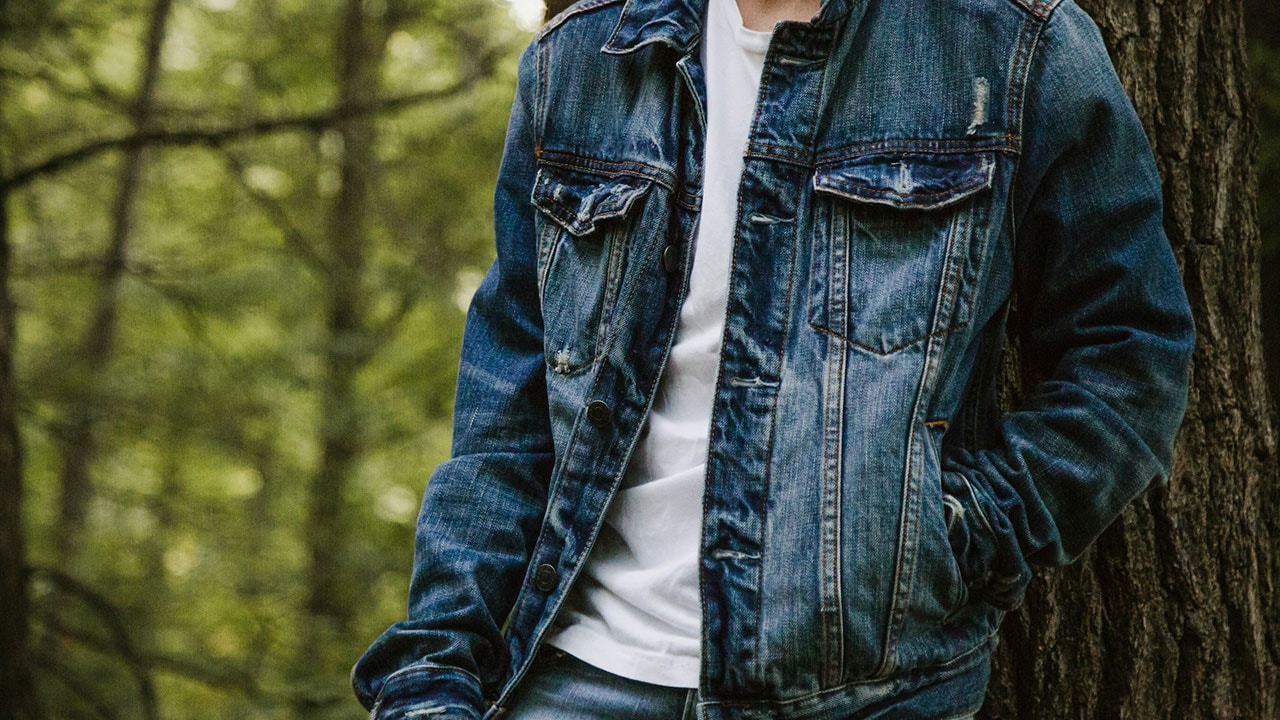
Thrift stores are gold mines for denim jackets. Older versions are often thicker, more structured, and already perfectly broken in. You'll find everything from Levi's to Wrangler without the retail markup. Since denim is made to last decades, buying used doesn't affect quality-it usually makes it better. A quick wash and it's good as new, ready to go with nearly anything you wear.
Flannel shirts
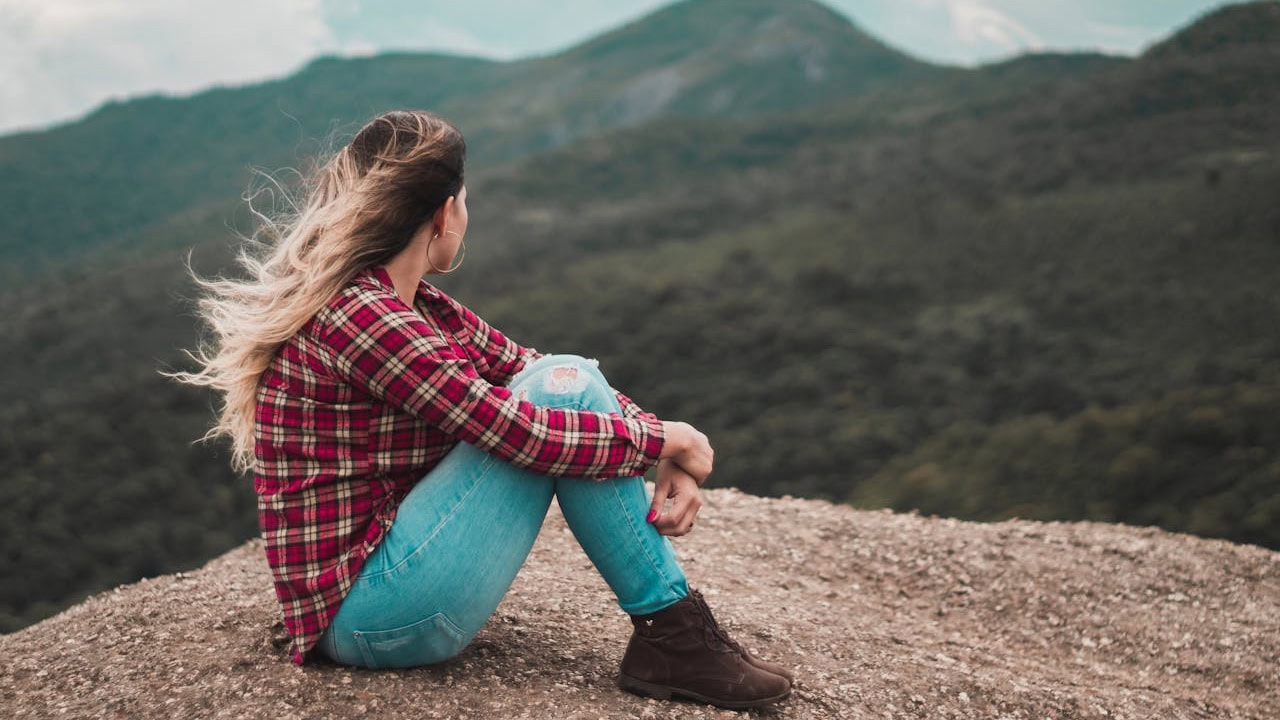
Flannels are one of those items that actually get better with age. Older ones tend to be softer, thicker, and made with 100% cotton instead of blends that pill after a few washes. Thrift stores are loaded with them, and you can find both timeless patterns and oversized fits that feel cozy right away. Skip the fast-fashion versions-they rarely hold up after a season.
Blazers
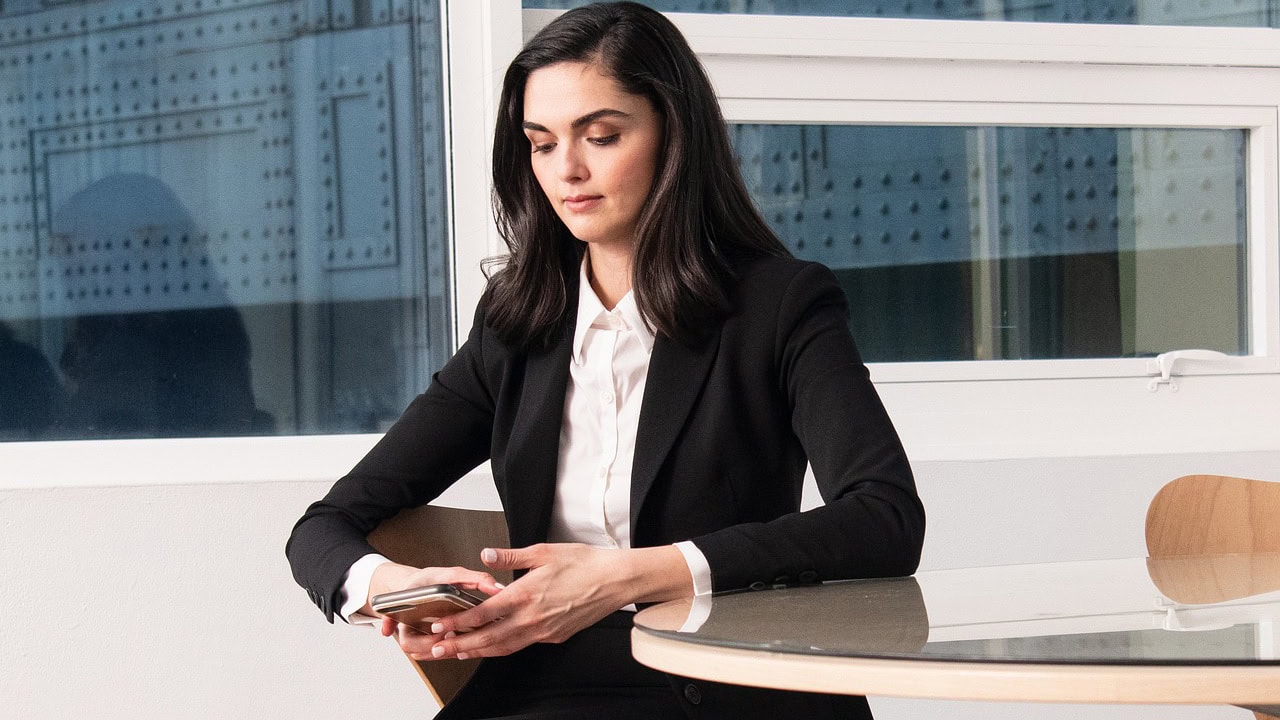
A quality blazer is expensive new, but older ones were made with heavier fabrics and full linings that make them look far more expensive. Thrift stores often have styles from brands that used real wool or linen. Even if the fit isn't perfect, a quick tailoring job can turn it into a piece that looks custom-made. You'll get the look of high-end tailoring for under twenty bucks.
Jeans
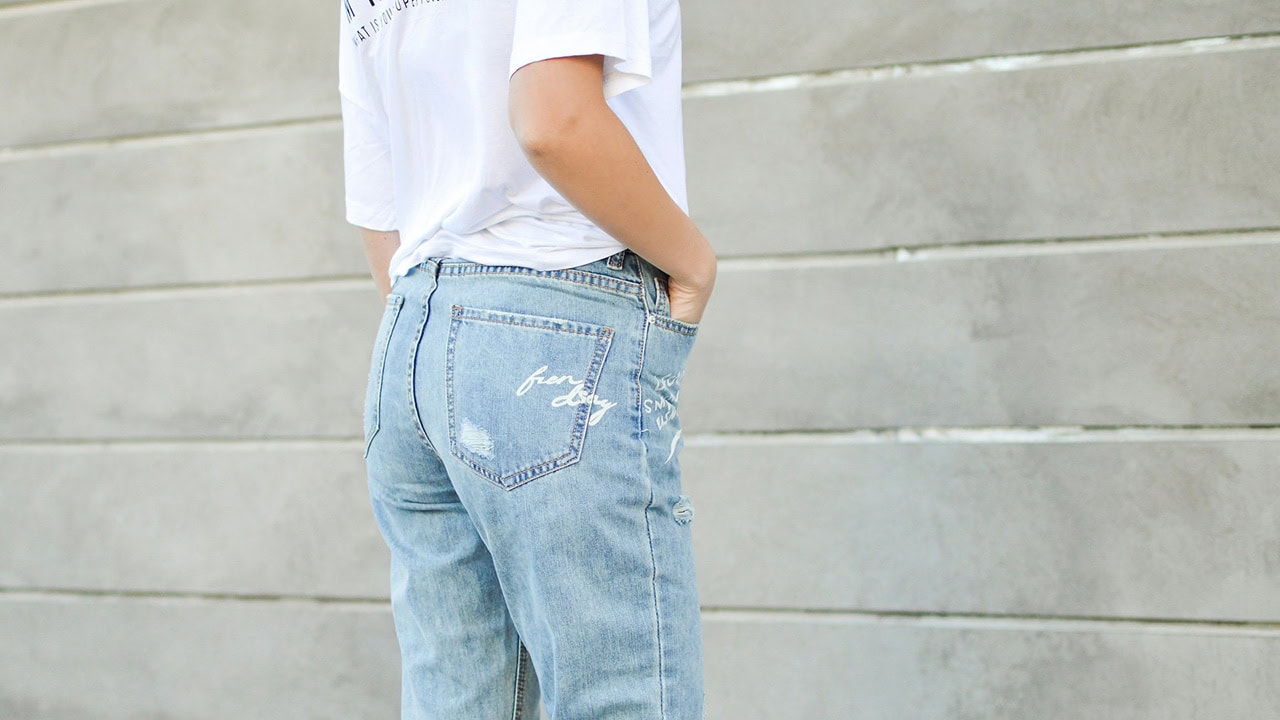
There's no reason to pay retail for jeans when thrift stores are overflowing with durable pairs. Vintage denim has stronger stitching and thicker fabric than most modern jeans. You'll also find plenty of high-end brands that people donated after a single wear. Try a few on-you might end up with a better fit and longer-lasting pair for less than lunch money.
Leather belts
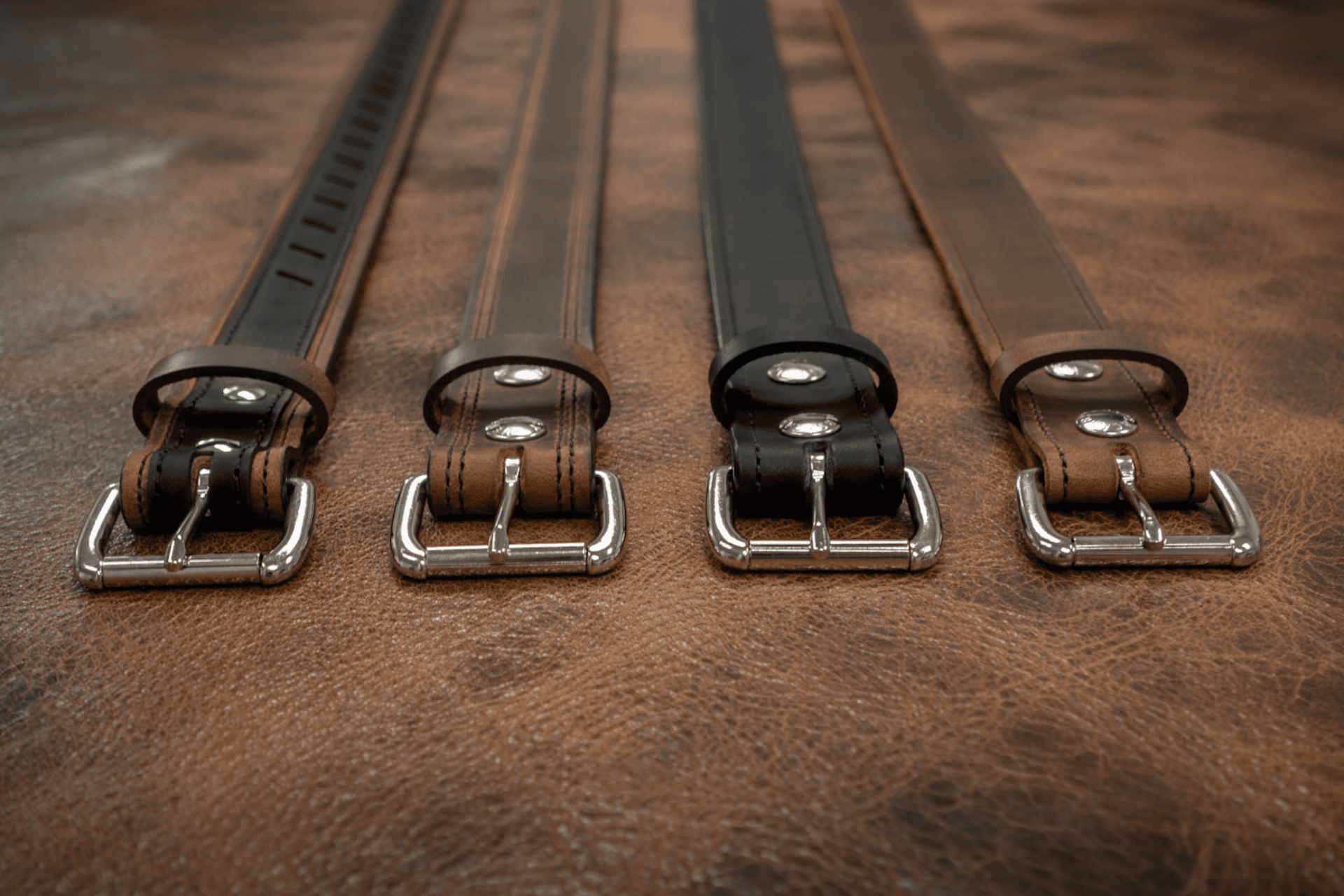
Leather takes forever to wear out, and secondhand belts are often made of higher-quality materials than today's department store options. A little conditioner can bring them back to life instantly. Skip belts with peeling or cracking faux leather and look for full-grain leather with solid metal buckles. You can often score a belt that originally retailed for $50-$100 for under $5.
Coats and jackets
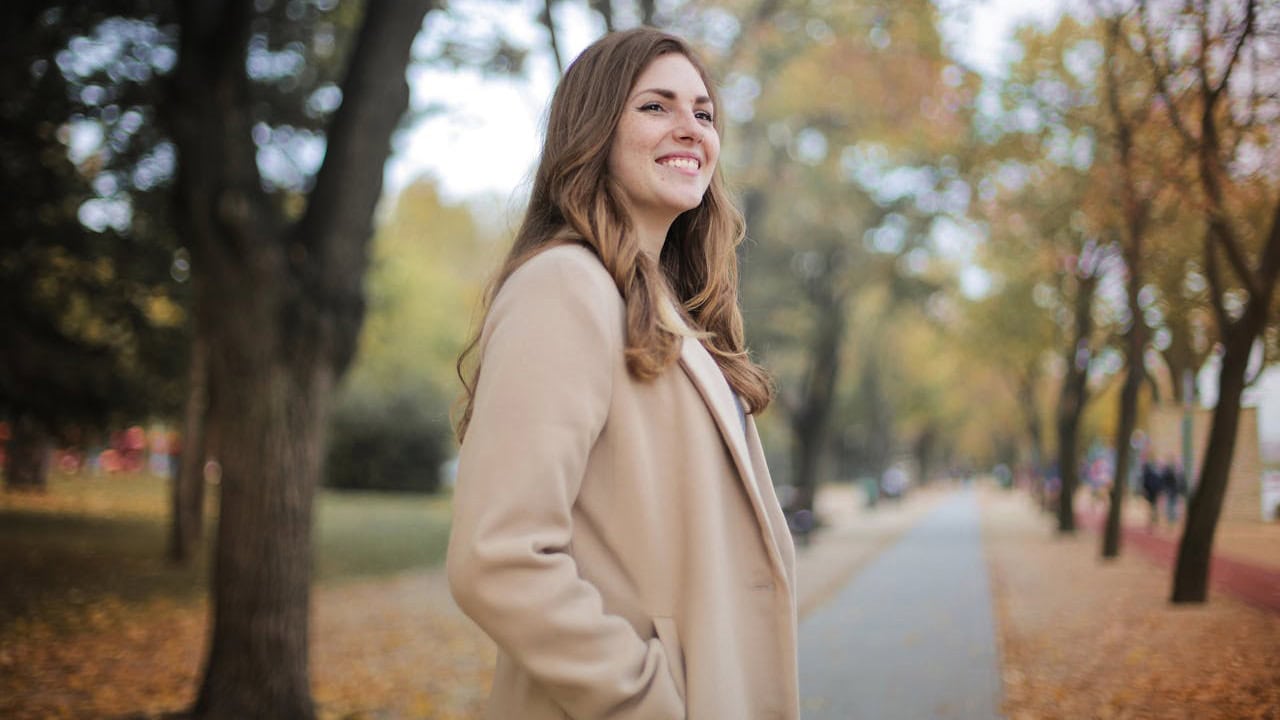
Outerwear is one of the smartest things to buy used. Most people wear their coats for a season or two and then move on, which means thrift stores are packed with barely worn pieces. Wool peacoats, trench coats, and utility jackets hold up beautifully over time. A quick lint roll and a trip to the dry cleaner can make them look completely new.
Dress shirts
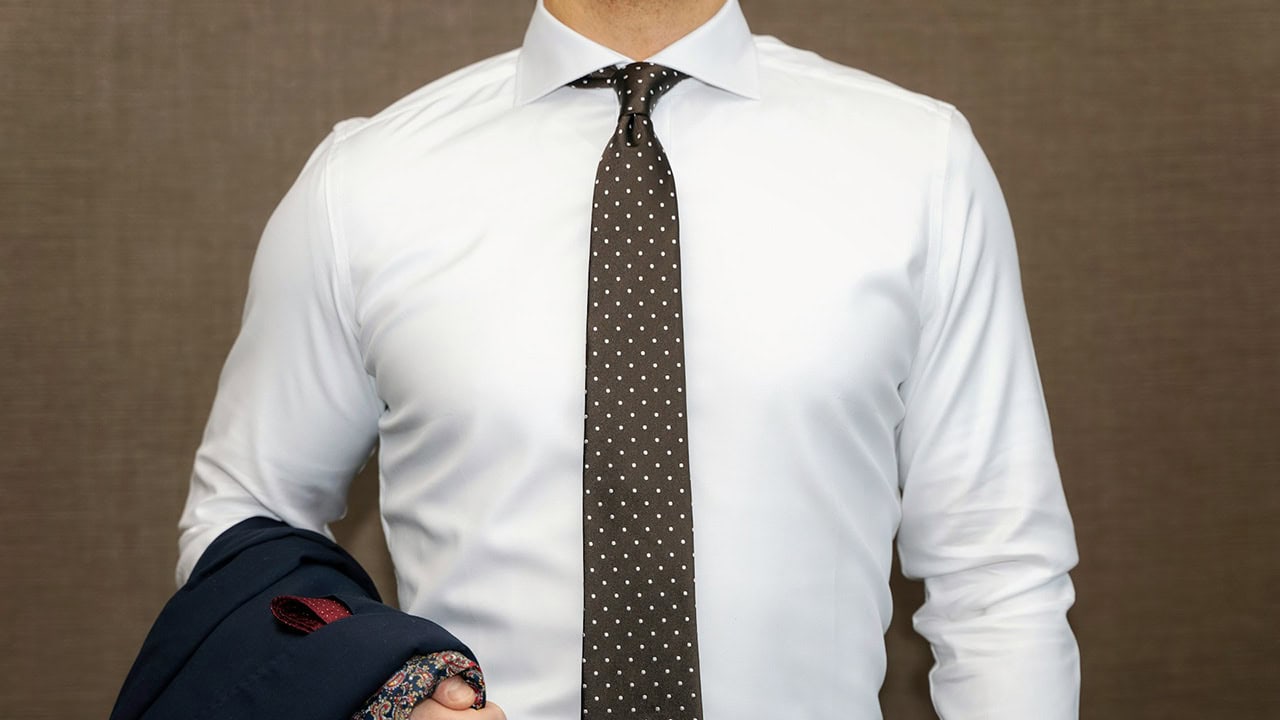
Button-downs are everywhere in thrift stores, often in excellent condition. Since people tend to replace them for style reasons more than wear and tear, you can find quality fabrics and name brands for next to nothing. Check the collars and cuffs for stains before buying, but otherwise, you can easily walk away with a professional-looking shirt for less than $10.
Workout clothes
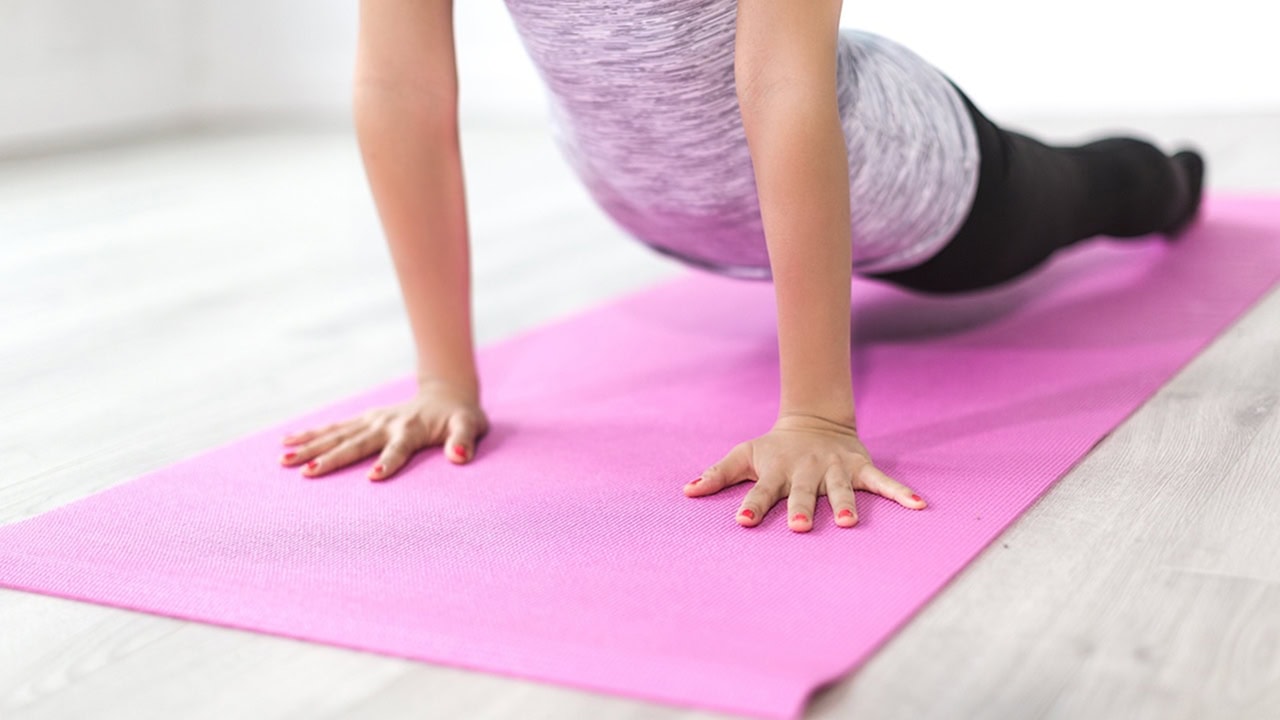
Athletic wear is expensive, but thrift stores regularly get donations from people who outgrow or abandon fitness phases. You can find name-brand leggings, jackets, and tops that are barely worn. Wash them well before use, and you'll have quality gear for a fraction of retail cost. Focus on moisture-wicking fabrics and avoid items with stretched-out elastic.
Sweaters
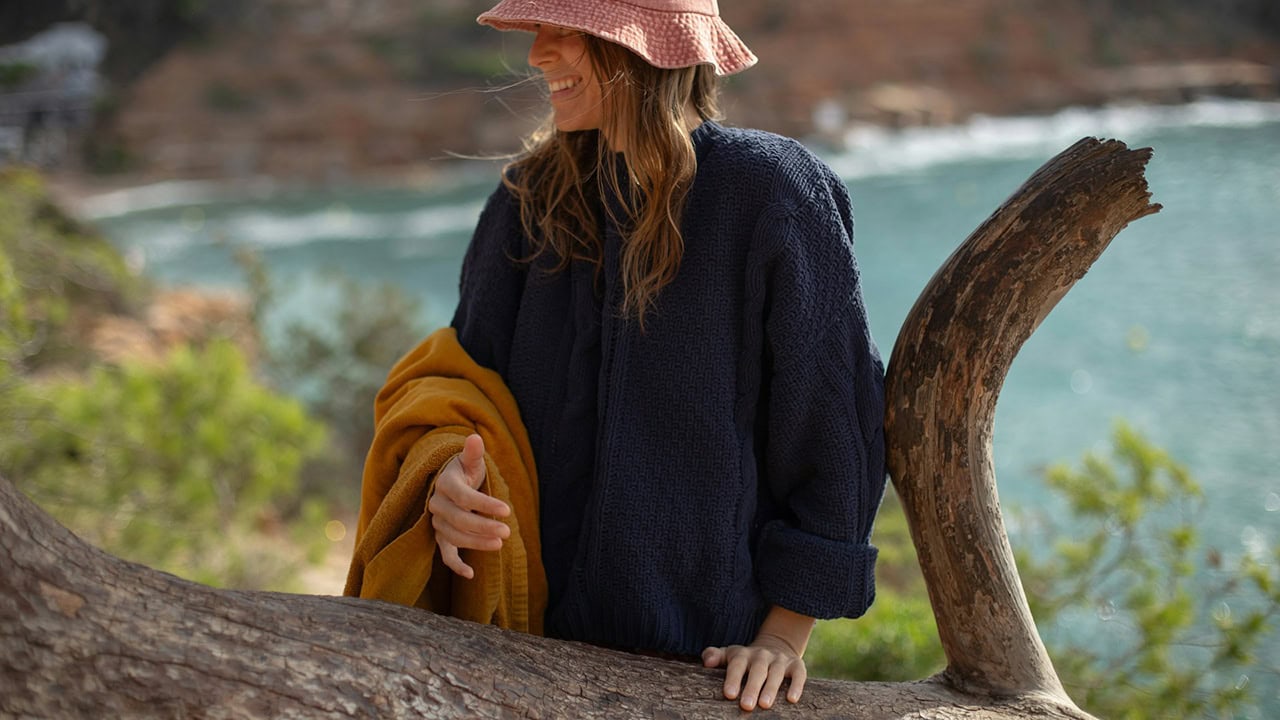
Good sweaters can last decades, and many of the ones you'll find secondhand are made from better materials-like wool or cashmere blends-than what's common now. Give them a quick check for pilling or holes, but most issues can be fixed with a sweater shaver or small stitch. A quality thrifted sweater will look richer and hold up longer than a brand-new one made with synthetics.
Dresses
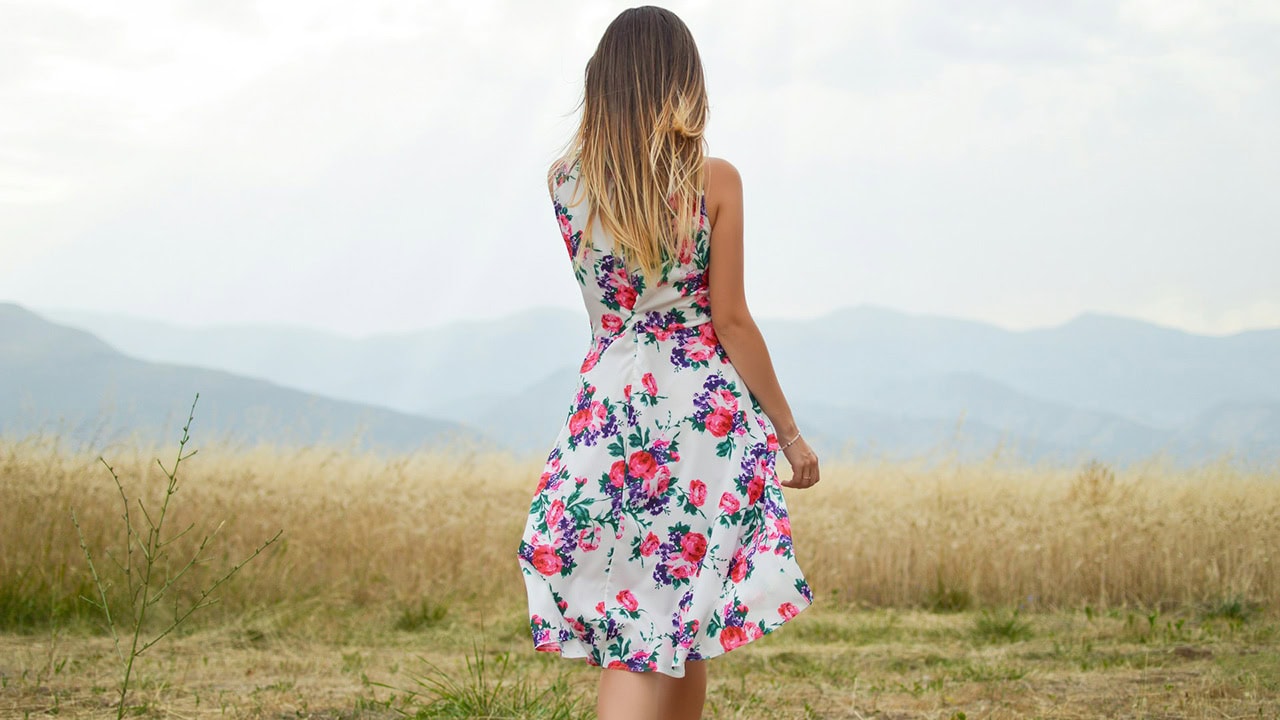
Thrift stores are full of dresses that were only worn once or twice for weddings, holidays, or special occasions. You can find flattering cuts and high-end fabrics at a fraction of the cost. Whether you need something casual or formal, secondhand shops usually have better options than fast-fashion stores-and without the cheap feel or short lifespan.
*This article was developed with AI-powered tools and has been carefully reviewed by our editors.





Leave a Reply