
10 cleaning products I stopped buying and replaced with DIY
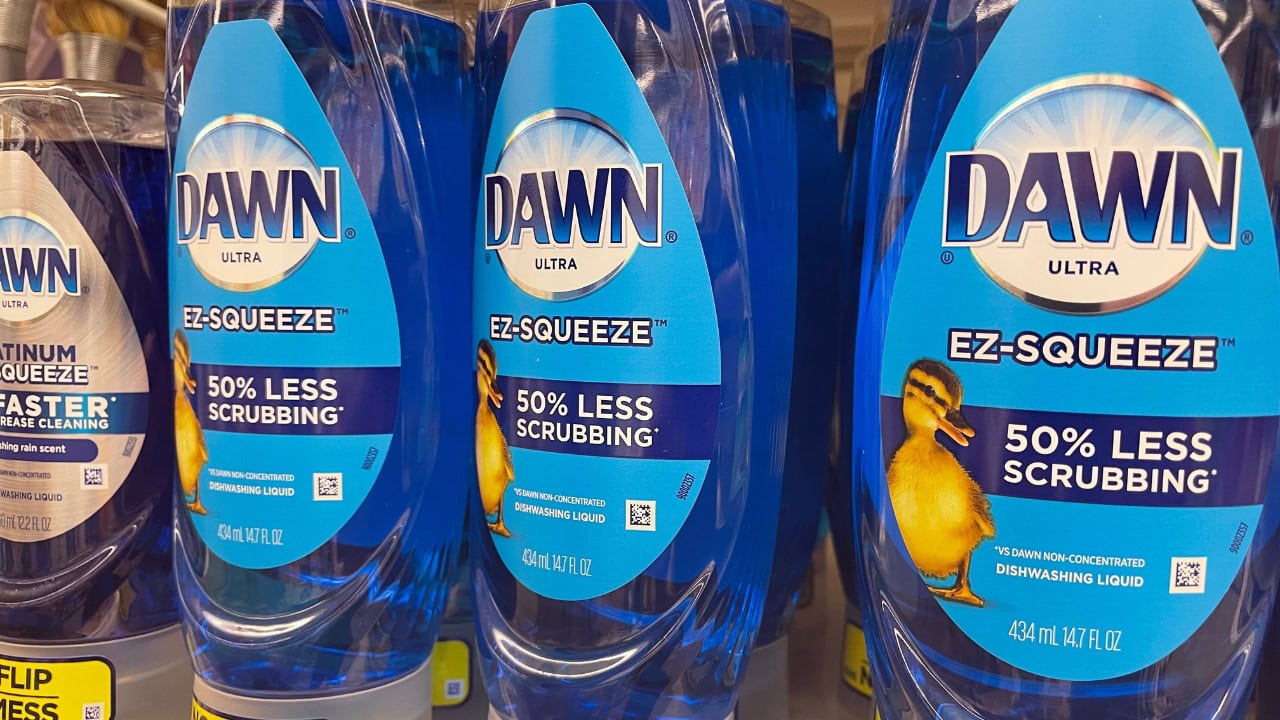
Store-bought cleaners add up fast, and most of them contain the same handful of ingredients you can mix yourself. Once you realize how much money and cabinet space goes into bottles you don't actually need, it's hard to go back.
Making your own versions doesn't have to be complicated-basic pantry staples do the job better than you'd expect. These swaps aren't just cheaper; they also cut down on clutter and leave you in control of what's going into your home.
All-Purpose Cleaner
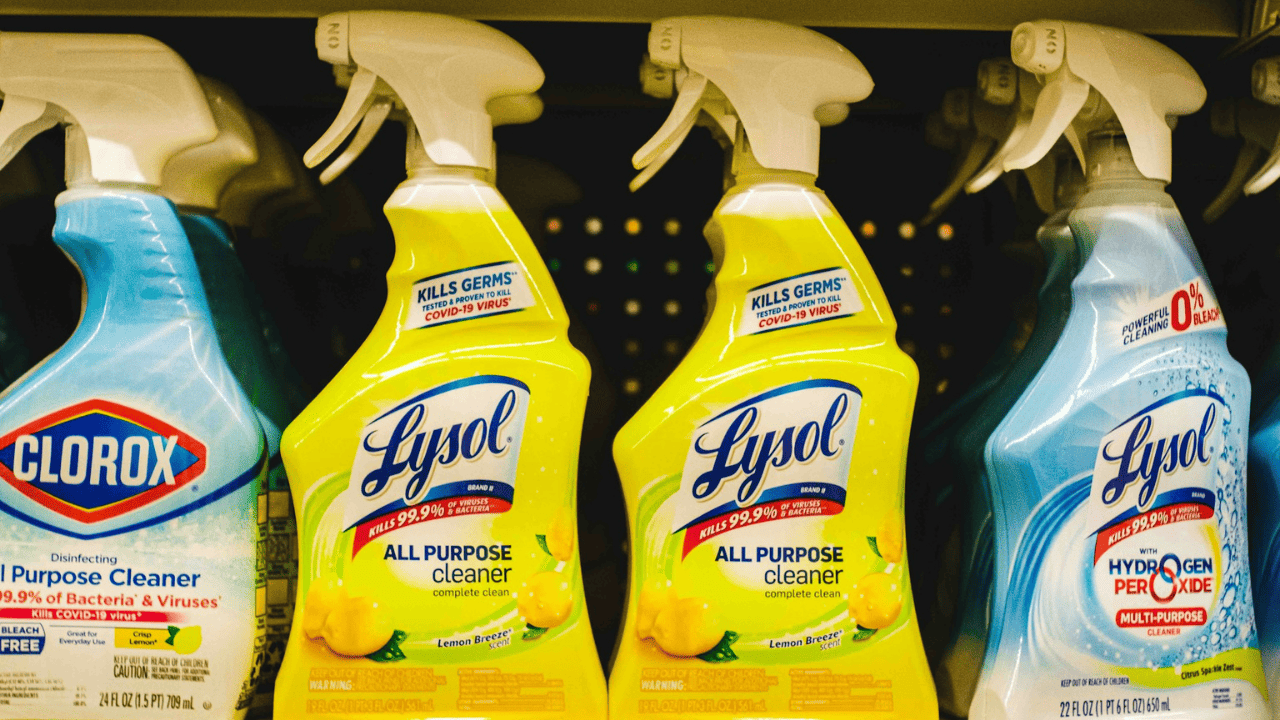
Instead of buying sprays for every surface, you can make one that covers almost everything. A mix of vinegar, water, and a few drops of dish soap handles counters, sinks, and even appliances.
It costs pennies compared to store-bought versions and lasts longer too. Adding a little lemon juice or essential oil helps cut the vinegar smell if that bothers you.
Glass Cleaner
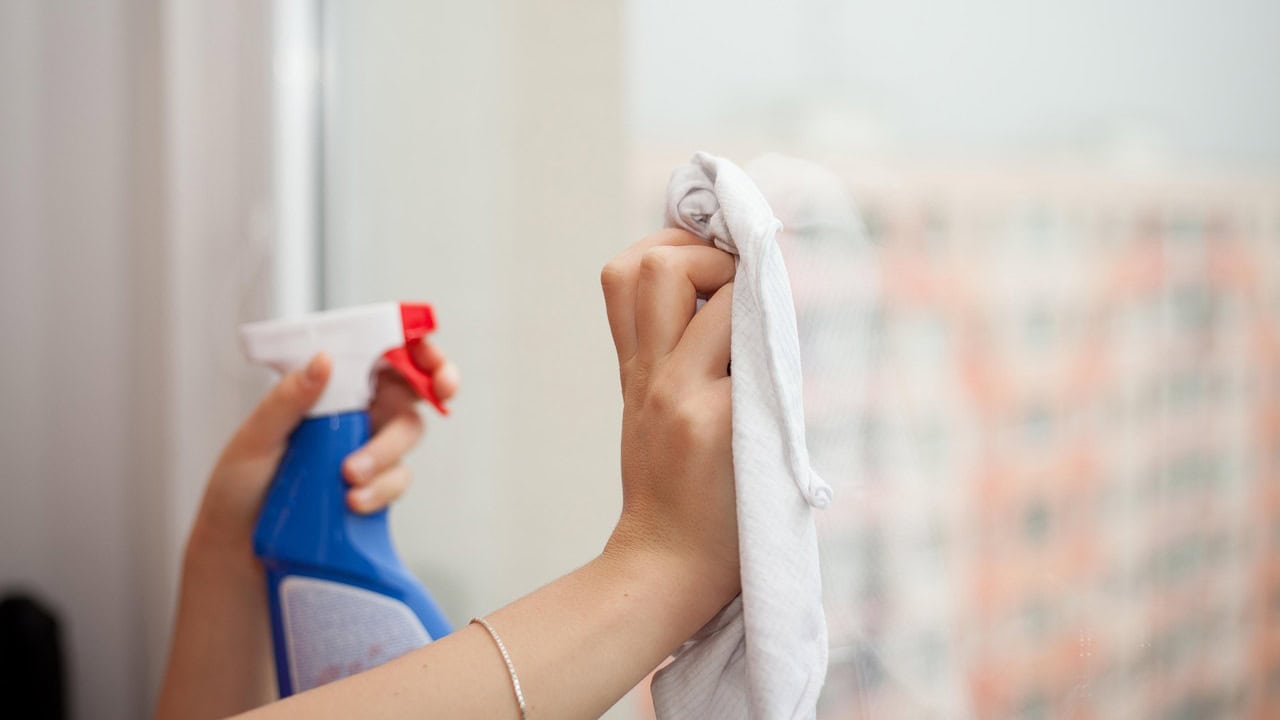
Blue sprays for windows and mirrors work, but so does vinegar mixed with water in a spray bottle. The trick is to use a microfiber cloth instead of paper towels to avoid streaks.
This homemade version works just as well, if not better, since you control the ratio and avoid any sticky residue that some commercial cleaners leave behind.
Floor Cleaner
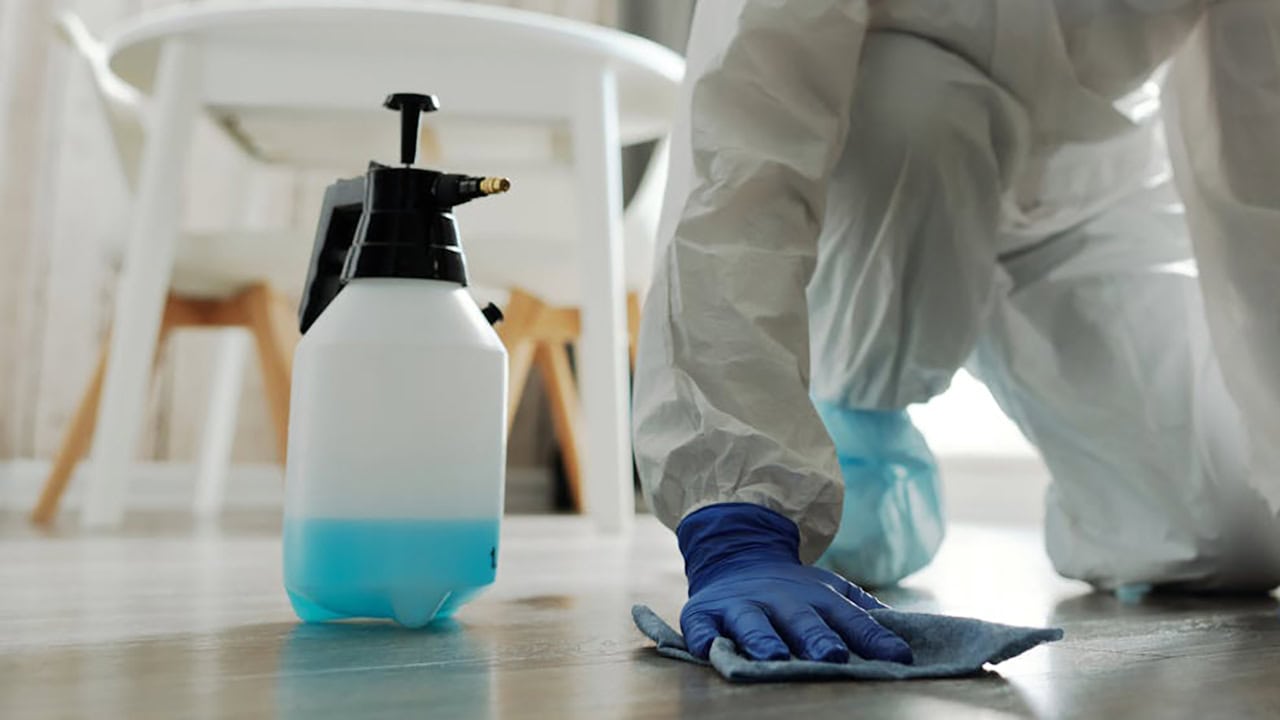
You don't need separate solutions for hardwood, tile, and vinyl. A bucket of warm water with a splash of vinegar or a few drops of dish soap handles most floors.
It's safe, affordable, and easy to adjust based on what you're cleaning. Skipping the premade bottles saves both money and storage space.
Stainless Steel Cleaner
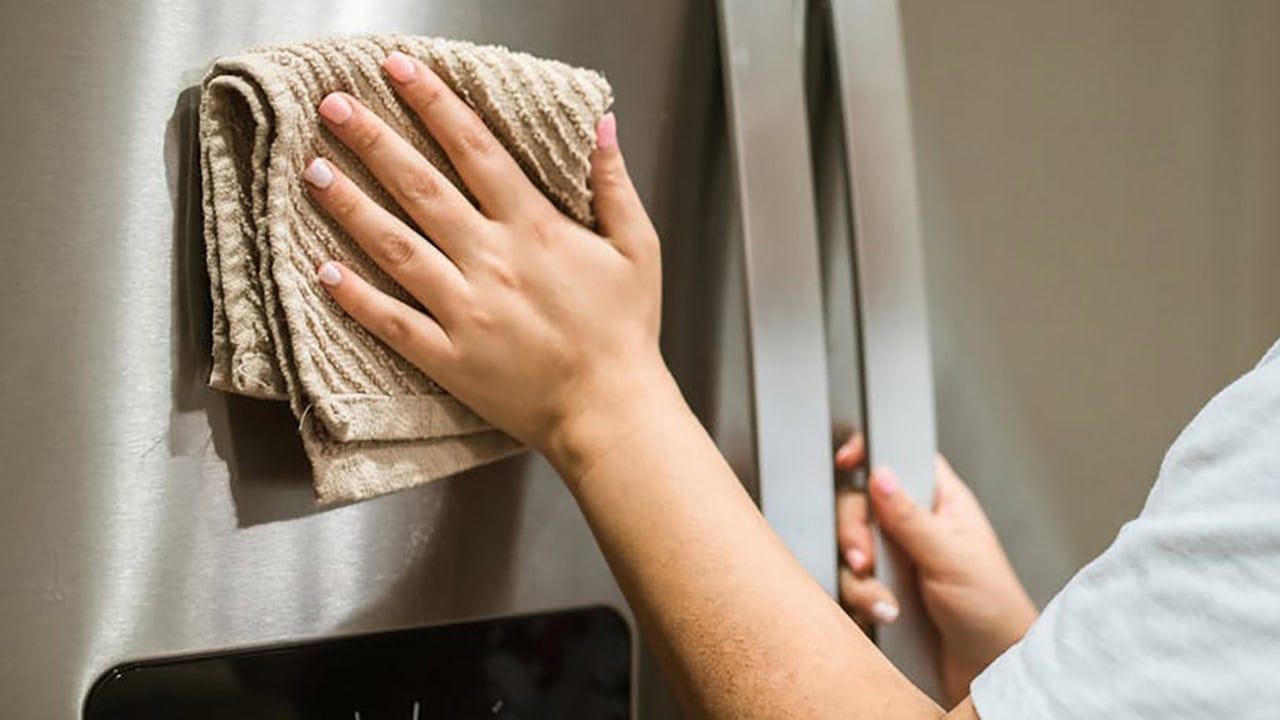
Those pricey sprays that promise streak-free shine are easy to replace. A tiny bit of olive oil or mineral oil on a cloth polishes stainless steel appliances.
Buffing in the direction of the grain leaves them looking clean without smudges. It's quick, cheap, and works every time.
Air Freshener
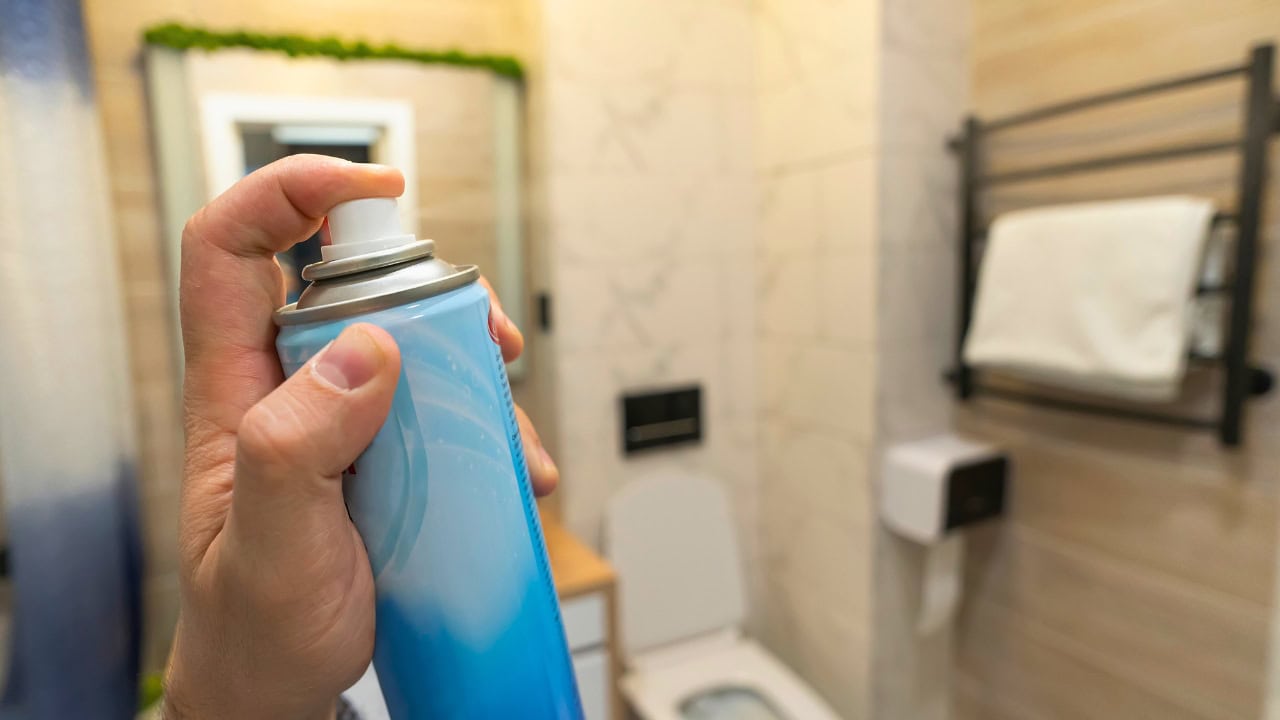
Cans of air freshener don't do much more than mask odors. Simmering a pot of water with lemon slices, cinnamon sticks, or herbs makes the house smell fresher naturally.
You can also mix baking soda with a few drops of essential oil in a small jar for a room deodorizer that lasts weeks instead of minutes.
Drain Cleaner
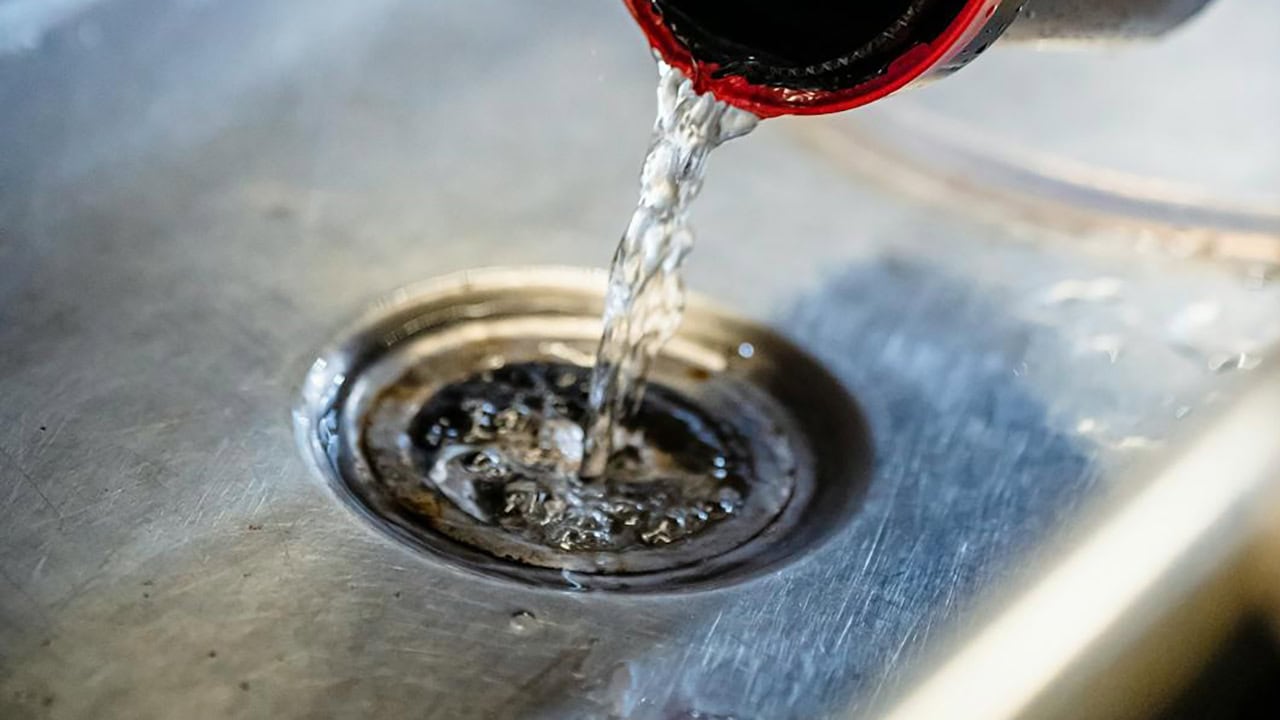
Instead of pouring chemicals down the sink, baking soda followed by vinegar clears mild clogs and keeps drains smelling fresh. A flush of boiling water after helps push everything through.
This method is safer for your pipes long term and costs almost nothing compared to commercial products.
Furniture Polish
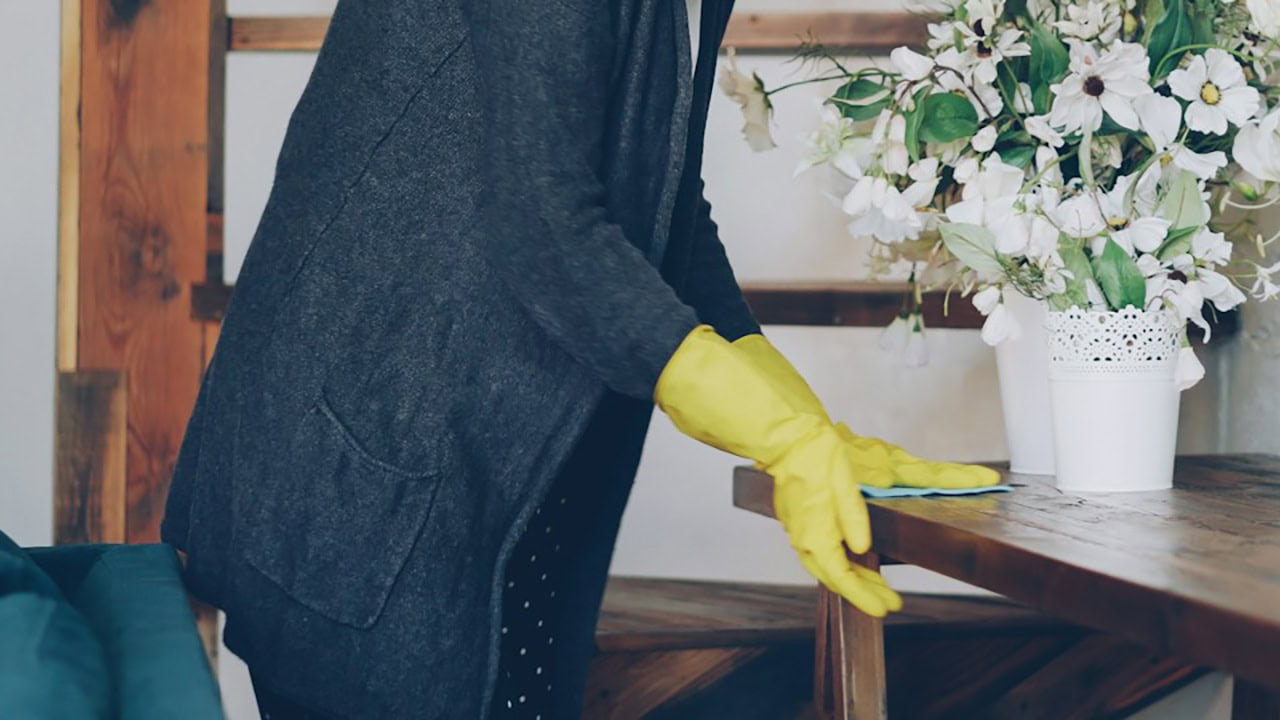
Sprays and wipes for wood can be replaced with a DIY mix of olive oil and lemon juice. It conditions the wood and gives it a natural shine without the strong chemical smell.
A little goes a long way, and you avoid the buildup that some store-bought polishes can leave behind.
Toilet Bowl Cleaner
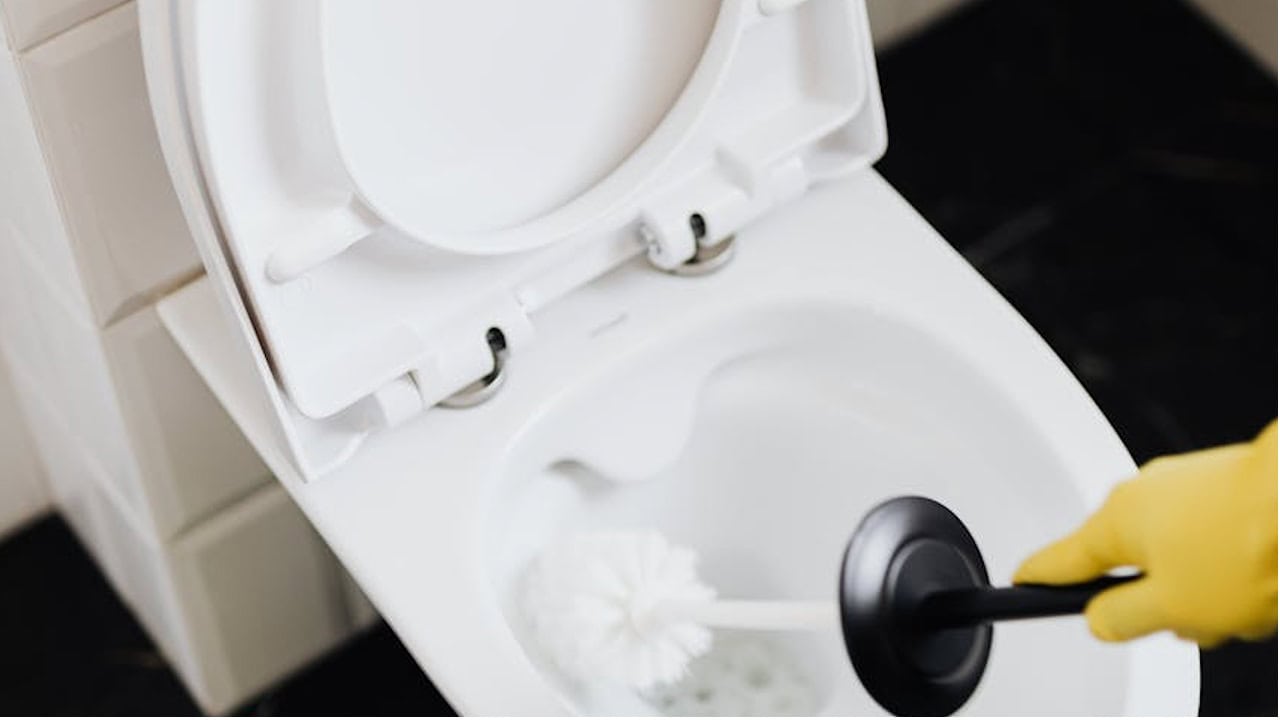
Instead of special gels or tabs, sprinkling baking soda into the bowl and scrubbing with a toilet brush works just as well. Adding a splash of vinegar helps tackle stains.
It's an easy swap that cuts out harsh chemicals and saves you from constantly rebuying products that do the same thing.
Dish Soap Add-Ons
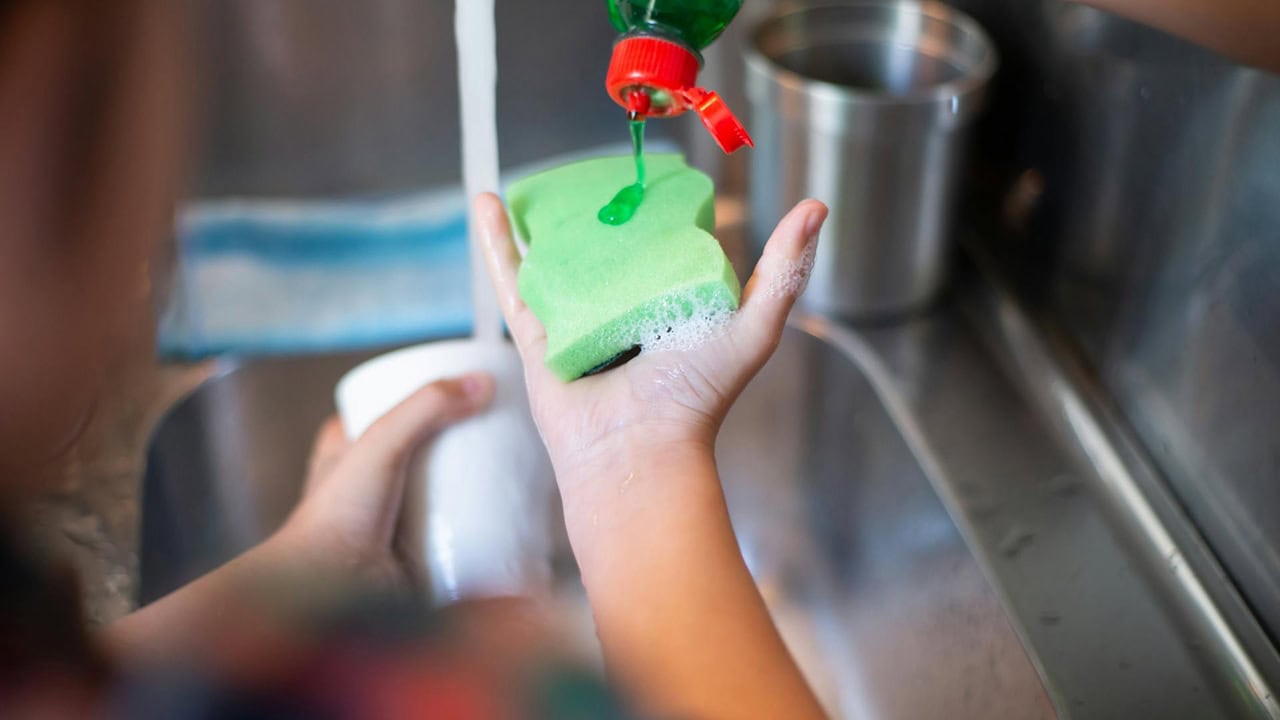
Specialized sprays for greasy pans or stovetops are unnecessary when regular dish soap does the job. A few drops mixed with warm water in a spray bottle makes an effective degreaser.
It's a versatile solution that handles more than dishes, and you don't need multiple products cluttering your kitchen.
Dusting Spray
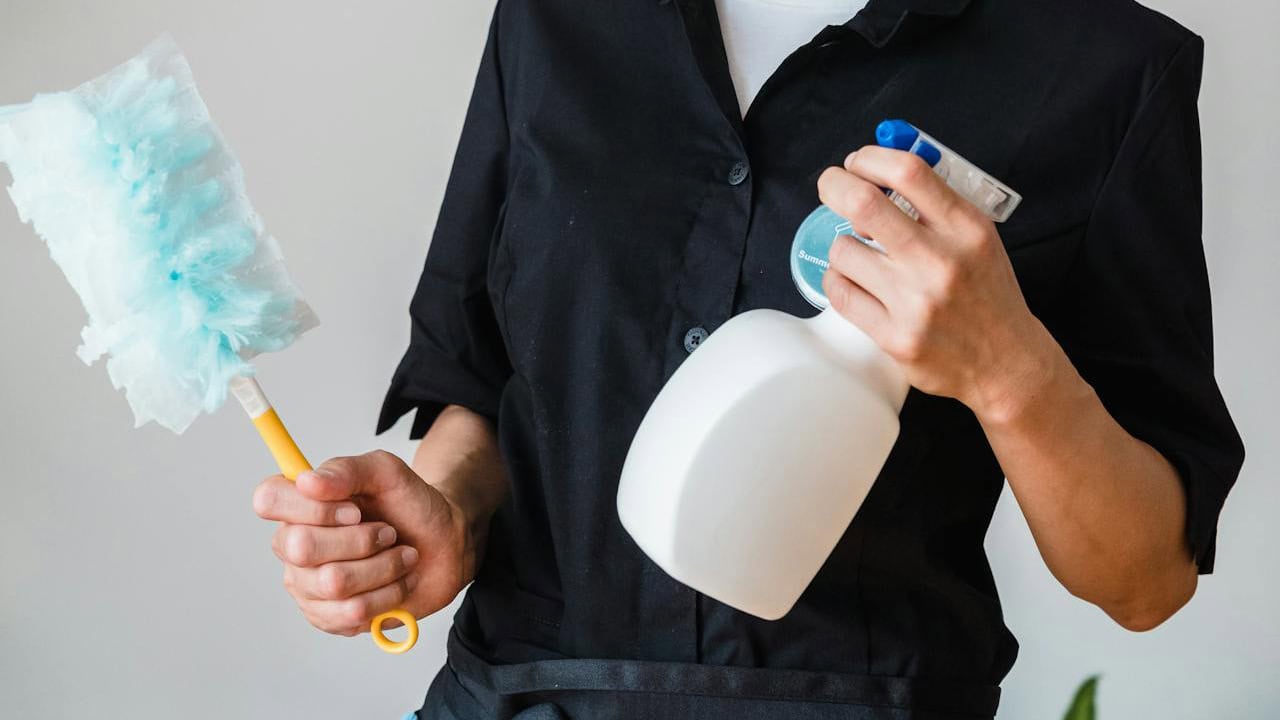
Commercial dust sprays often leave a film. A damp microfiber cloth picks up dust better without leaving residue behind. If you want extra shine, a tiny bit of vinegar in the water helps.
This habit saves money and avoids adding unnecessary chemicals to your home. Plus, microfiber cloths can be washed and reused over and over.
*This article was developed with AI-powered tools and has been carefully reviewed by our editors.






Leave a Reply