
10 "buy now, pay later" traps that undo months of careful budgeting

Buy now, pay later feels harmless. No interest (at first), tiny payments, and it doesn't look like debt the way a credit card statement does. But all those little plans stack up fast.
If you're trying to get your budget under control, BNPL can quietly drag you backwards-especially when life throws one bad month at you. Here are the traps to watch for so you can protect the progress you've already made.
1. Turning wants into "needs" because the payment looks tiny
A $200 purchase might feel irresponsible in the moment, but $50 four times? That looks manageable.
The problem is you're no longer asking "Is this worth $200?" You're asking "Can I handle $50 this month?" That's a much easier yes.
Over time, that shift turns a lot of normal wants-clothes, gadgets, decor-into "sure, why not?" payments lined up back-to-back. The total number doesn't change. You just feel it later, when four or five of those "$50" decisions hit the same paycheck.
2. Forgetting how many active plans you already have

Most apps show you only what's due right now or in the next couple weeks. Unless you dig, you don't see the full list of what future-you is already committed to.
So you sign up for another plan, thinking, "It's just $30 every two weeks." Then you hit a month where three or four of those plans all land on the same dates.
That's how you end up short on groceries or bills, even though your income hasn't changed. The spending already happened-you're just now feeling all of it piled together.
3. Treating "no interest" like "no cost"
Zero interest sounds like free money. And yes, in a perfect world where you never miss a payment, it can be cheaper than a high-interest card.
But the real cost is this: you locked a chunk of your future cash flow into something that's already losing value. Clothes wear out, gadgets break, decor goes out of style. Those payments keep marching along.
You might not pay interest, but you are paying in flexibility. Every BNPL plan is one more piece of your paycheck that's already spoken for before the month even starts.
4. Letting autopay hide how tight things really are
Autopay feels responsible-you're not missing due dates, you're avoiding late fees. Great. But it also means those payments slide out quietly without forcing you to look at them.
You stop feeling the sting of hitting "pay," so you forget to count them when you're planning your month. Then suddenly your account balance drops lower than you expected halfway through the cycle.
Writing them into your budget as "BNPL payments" brings them back into the light. If you can't list them on paper without feeling annoyed, that's a sign there are too many.
5. Using BNPL to dodge an honest "we can't afford this yet"

Sometimes the real answer is not fun: "We can't swing this right now." BNPL lets you skip that feeling and pretend your budget is bigger than it is.
The thing is… your income didn't magically go up. You just spread the same cost over time and borrowed from a future month that hasn't even happened yet.
If you find yourself turning to BNPL every time something is slightly out of reach, that's not a payment plan problem-it's a budget problem. And it's one that will keep chasing you until you call it what it is.
6. Forgetting that returns don't always fix the mess
Returning a BNPL purchase is not as clean as returning something you bought outright. Depending on the store and provider, you might still owe a payment while the refund is processing.
If something glitches, gets delayed, or only part of the order is refunded, your plan may not adjust the way you expected. That leaves you sending money for items you don't even have anymore.
When you use cash or debit, a return puts the money back where it came from. With BNPL, you're adding more moving parts-and more chances for something to get messed up.
7. Ignoring how BNPL can tangle up your mental load

Every BNPL plan is one more due date, one more email, one more app notification. Even if they're small, they take up mental space.
That "mental clutter" matters. When you're already juggling kids, work, meals, and bills, it's easy to miss a tiny payment in the chaos. One missed payment snowballs into fees or negative marks.
Simplifying your money life-fewer due dates, fewer accounts, fewer moving pieces-often brings more peace than squeezing in one more cute purchase on a payment plan.
8. Using BNPL for things that will be gone long before the bill

There's a big difference between using a payment plan for a fridge that died and using one for a trendy jacket or restaurant order.
If the thing you're financing will be worn out, eaten, or forgotten before the last payment hits, that's a red flag. You're borrowing from your future for something your future self may not even care about.
A simple rule: if it doesn't have staying power in your actual life, it's not worth turning into a multi-month obligation-even with "no interest."
9. Thinking "it's not credit" so you don't treat it like debt
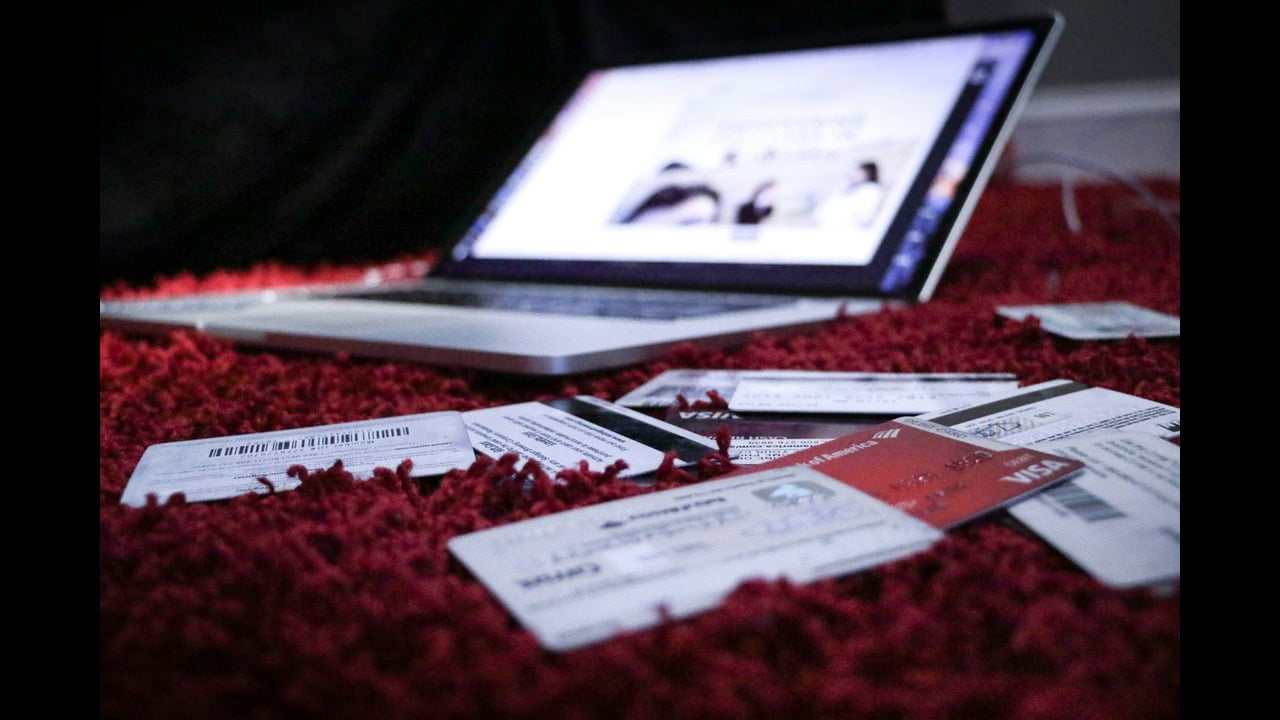
A lot of BNPL marketing leans hard into: "This isn't like a credit card." That can make it feel less serious, like it lives in some separate category of "fun payments."
But from your budget's perspective, it is debt. You promised future dollars you haven't earned yet. It doesn't matter what the app calls it.
If you mentally park BNPL in the "debt" category-right alongside cards and loans-you'll be way more careful about taking on new plans and quicker to pay off the ones you already have.
10. Forgetting that emergencies don't care about your payment plan
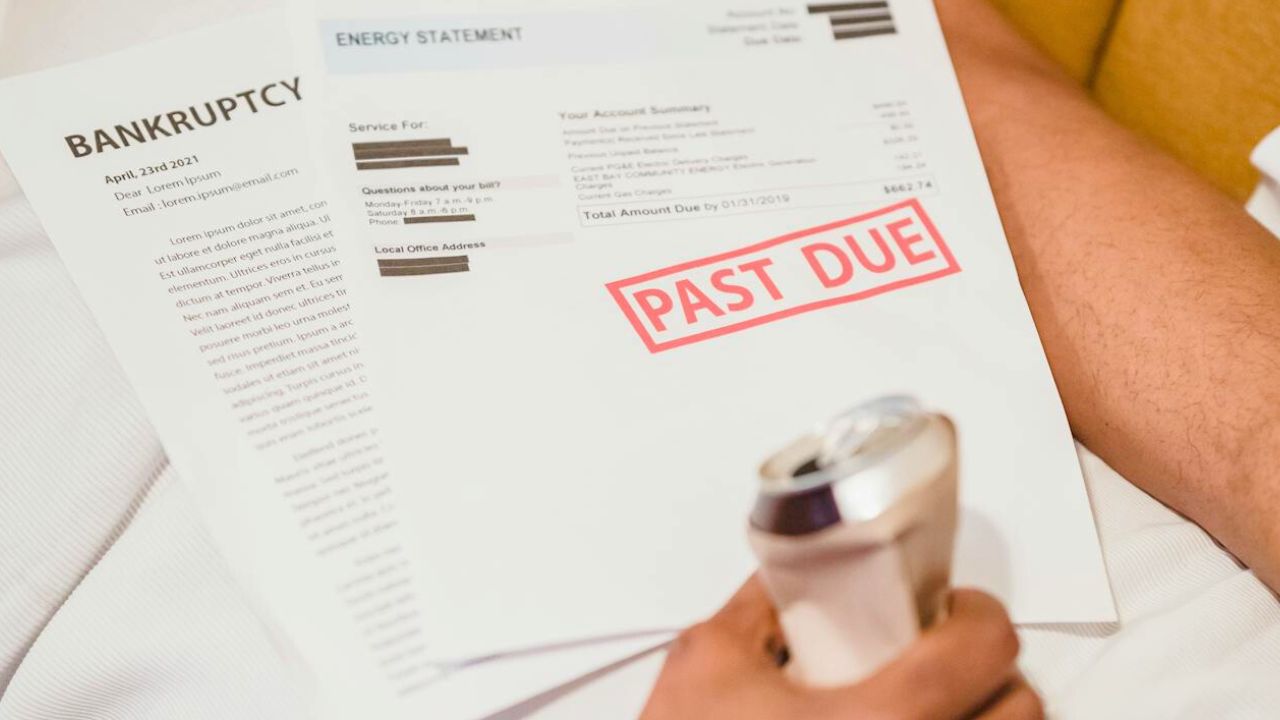
BNPL is set up with the assumption that everything in your life will stay the same for a few months. No surprise car repair, no sick kid, no sudden job shift.
Real life doesn't work like that. When something hits, all those "it's only $30" payments suddenly feel a lot bigger stacked on top of unexpected bills.
That's why it's smarter to keep your fixed payments as lean as possible and leave room for life to be life. The fewer future dollars you've already spent, the easier it is to bend when something goes sideways.
*This article was developed with AI-powered tools and has been carefully reviewed by our editors.






Leave a Reply