
10 budget changes that helped us actually breathe again
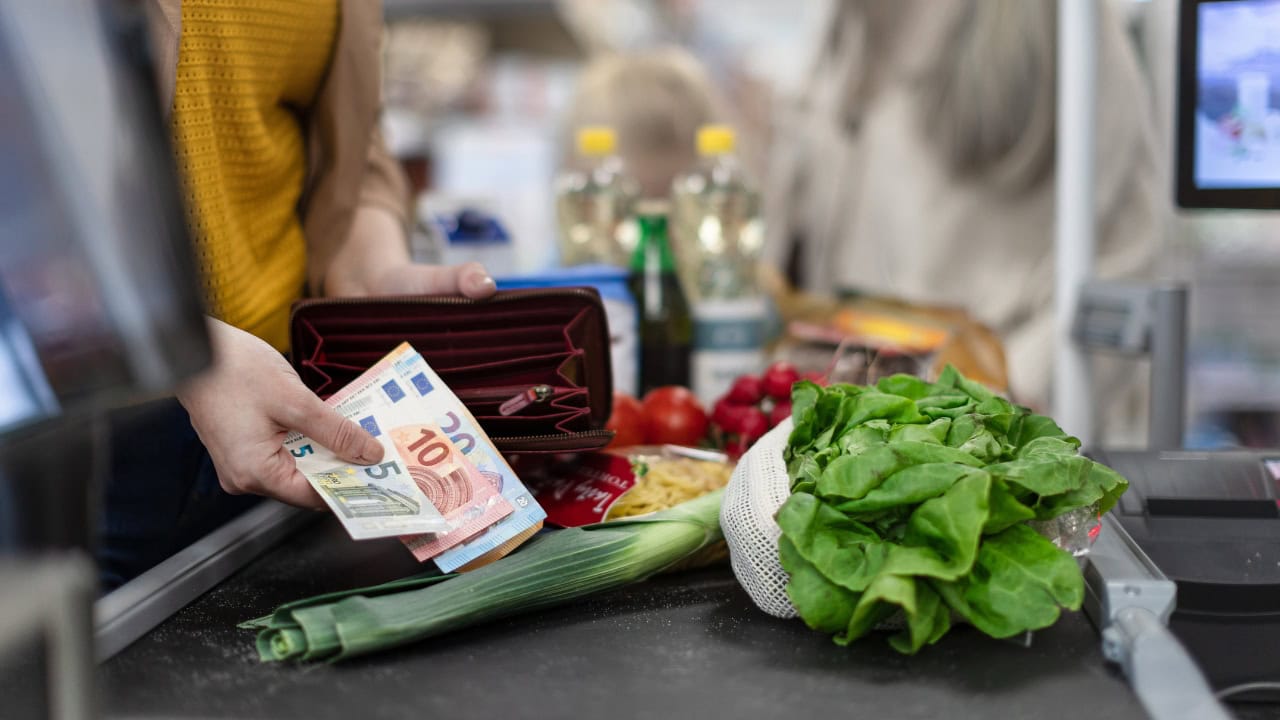
When your budget is tight, even a small shift can feel like a deep breath. The stress of bills piling up or wondering if you'll have enough for the month takes a toll, and it's often the everyday spending that makes or breaks things. Once you start finding ways to cut costs or redirect money where it matters, the pressure lightens.
These are the kinds of changes that don't just save cash-they give you back control and make life feel more manageable.
Tracking Every Dollar
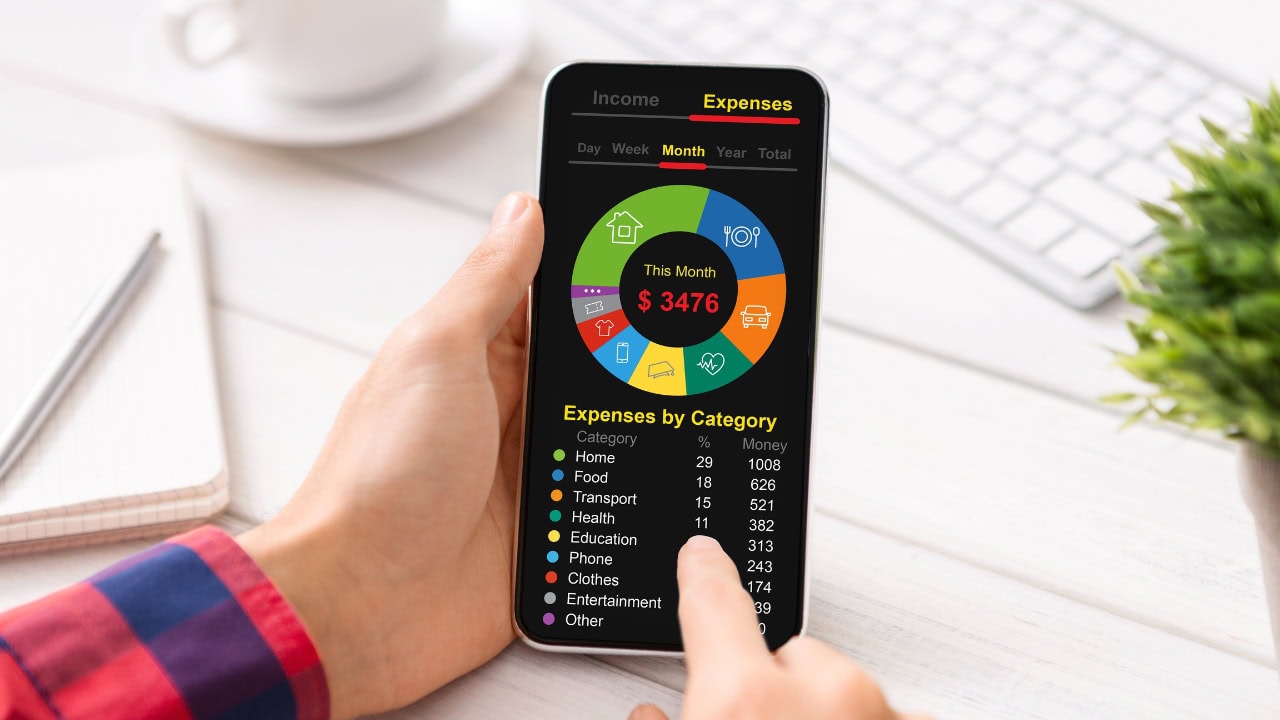
You can't fix what you don't see. Writing down or using an app to track every expense makes you face where your money is really going. Those little "invisible" purchases stop sneaking by when you're looking at them daily.
Once you know your exact numbers, you'll spot patterns you can change. Even trimming $50 here and there feels huge when you know where it went in the first place.
Cooking at Home More Often

Eating out is one of the quickest ways to drain your budget without realizing it. Even fast food adds up fast if you're leaning on it several times a week.
When you cook at home, you can stretch ingredients into multiple meals for the same price as one takeout order. Having a few go-to meals that are easy and cheap makes staying in much easier.
Cutting Back on Subscriptions

Subscriptions feel small, but they pile up fast. Streaming, apps, boxes, or memberships that don't get used regularly end up costing you hundreds each year.
Canceling the extras and only keeping what you truly use frees up money instantly. You can always rotate services if you miss one instead of paying for all of them at once.
Setting a Cash Grocery Limit

It's easy to overspend on groceries when you swipe a card. Taking cash and sticking to a set amount helps you prioritize what you really need.
This small shift often leads to smarter meal planning, fewer impulse buys, and a lower bill overall. Having boundaries with groceries can save you more than you think.
Planning for Irregular Bills
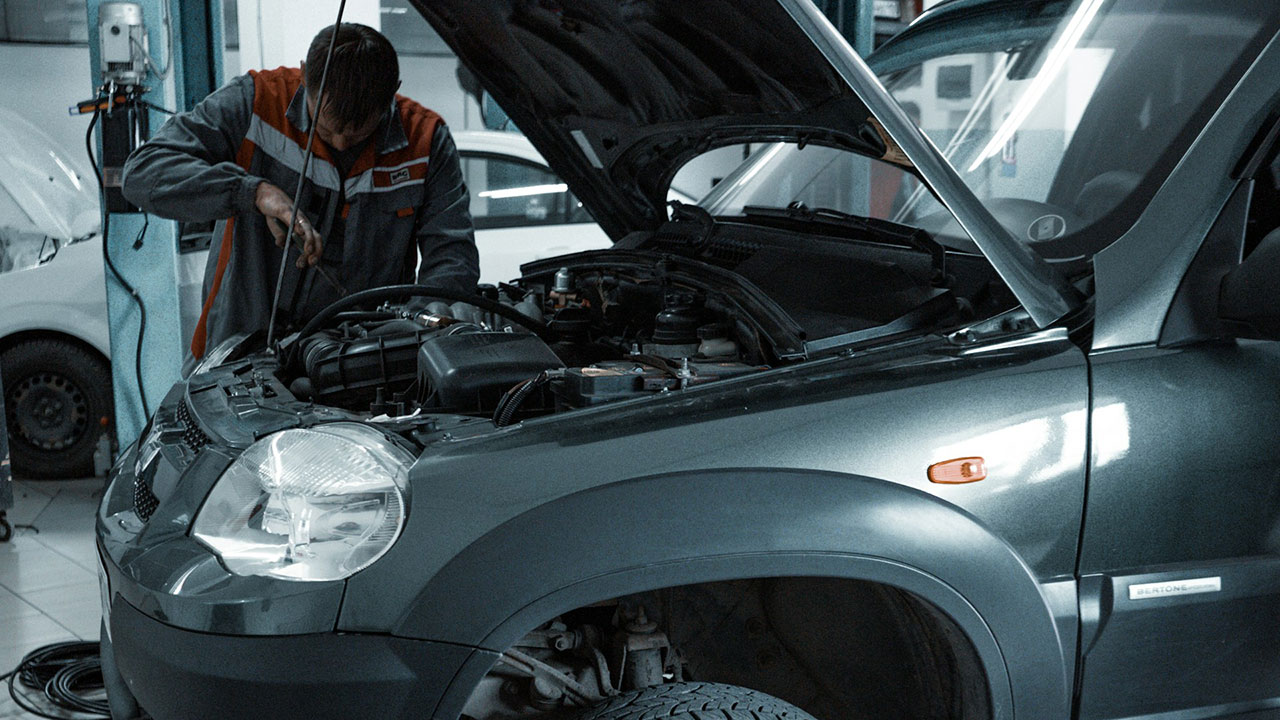
Car repairs, school fees, or annual insurance renewals can wreck your budget if you don't plan for them. Setting aside a little each month into a separate account makes those hits easier to handle.
When the bill comes, it doesn't feel like a crisis-you already accounted for it. Even $25 a month set aside adds up to real relief.
Swapping Brand Names for Store Brands

Name-brand items often cost significantly more without being much different from store brands. Swapping out even half of what you usually buy can save you big over a month.
Trying out store-brand pantry staples, cleaning products, and basics like paper towels can show you where you really don't need to pay extra.
Saying No to Impulse Buys
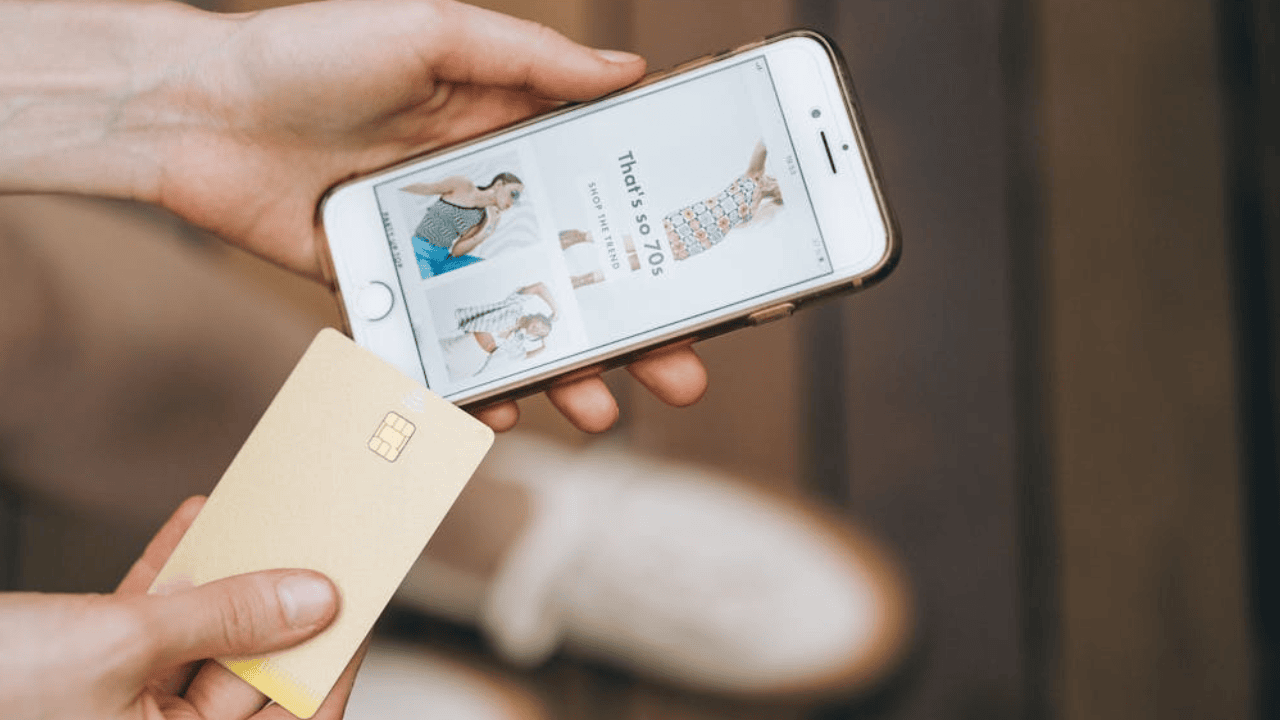
Impulse shopping is where budgets quietly slip away. Whether it's an online deal or something you grab at the store, those small "treats" add up.
Making yourself wait 24 hours before buying something helps cut down on unnecessary spending. Most of the time, you'll realize you didn't need it after all.
Using Envelopes for Key Expenses

Putting cash into envelopes for categories like gas, groceries, or entertainment keeps you accountable. When the envelope is empty, you're done for the month.
It creates natural limits without needing complicated budgeting systems. This habit helps keep your spending aligned with your actual income.
Cutting Utility Costs
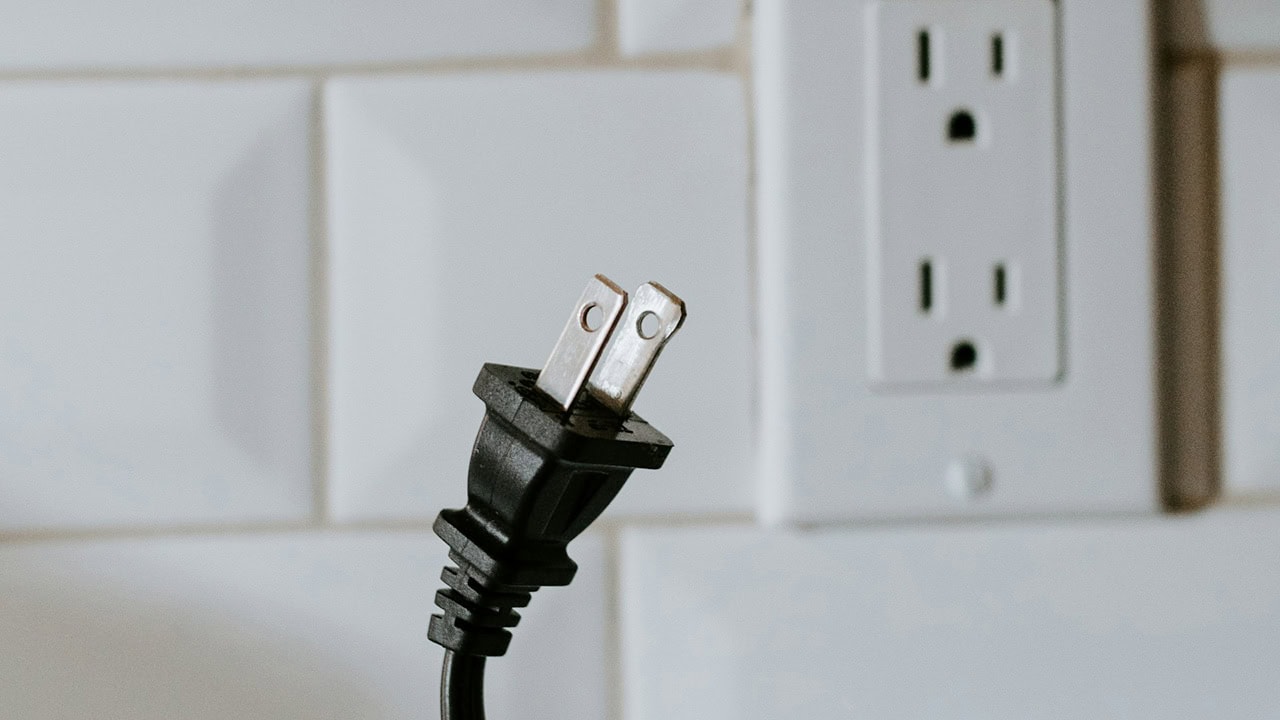
Simple changes like turning off lights, adjusting the thermostat, or unplugging unused electronics lower your monthly bills without sacrificing comfort.
Even small savings each month add up over the year. Being mindful of your energy use is one of the easiest ways to free up cash without feeling deprived.
Building a Small Emergency Fund
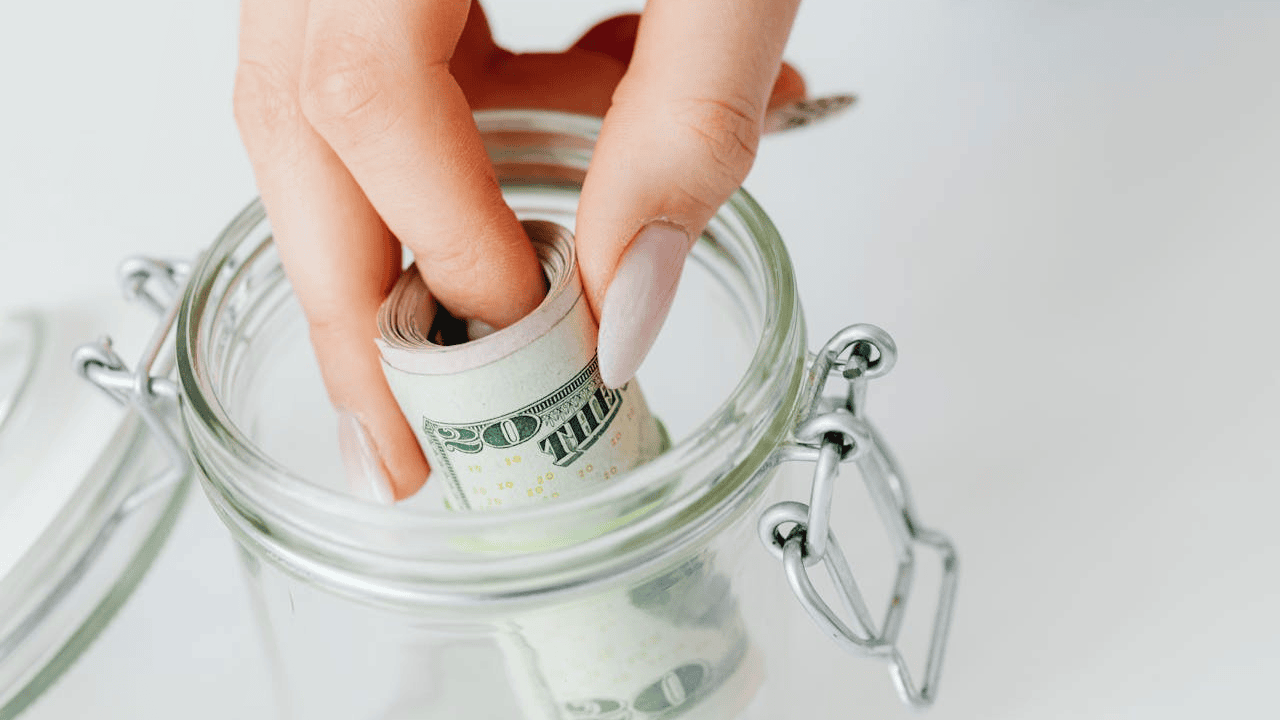
Having even a small emergency fund makes a huge difference in how stressed you feel. Without it, every unexpected bill becomes a setback that forces you off track.
Setting aside a little at a time gives you a cushion. Even $500 tucked away can stop you from going into debt over small emergencies.
*This article was developed with AI-powered tools and has been carefully reviewed by our editors.






Leave a Reply