
Good beauty habits can make you feel put together, but some of them quietly drain your wallet without giving much in return.
A lot of people fall into routines that seem harmless-replacing products too often, chasing every new trend, or paying for convenience that doesn't really add value. Most of the time, you can get the same results for a fraction of the cost with smarter swaps or slightly different habits.
Here are some of the biggest beauty habits that end up costing you more than they should.
replacing products before they're empty
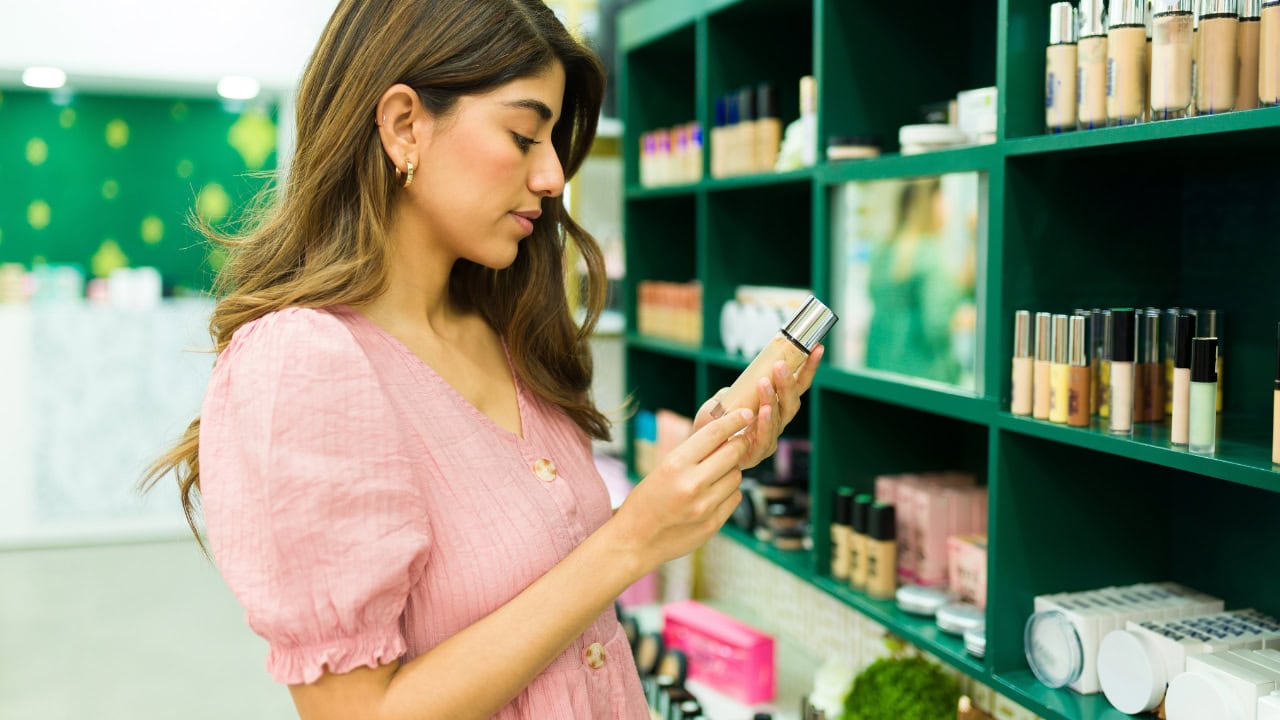
It's easy to toss a bottle when it looks low, but most beauty products have plenty left once the pump slows down. Cutting open tubes or flipping bottles upside down can stretch your use by a week or two.
That adds up fast when it comes to moisturizers, serums, or foundations. Instead of restocking early, make it a habit to finish every drop-you'll waste less and save more over time.
over-washing your hair
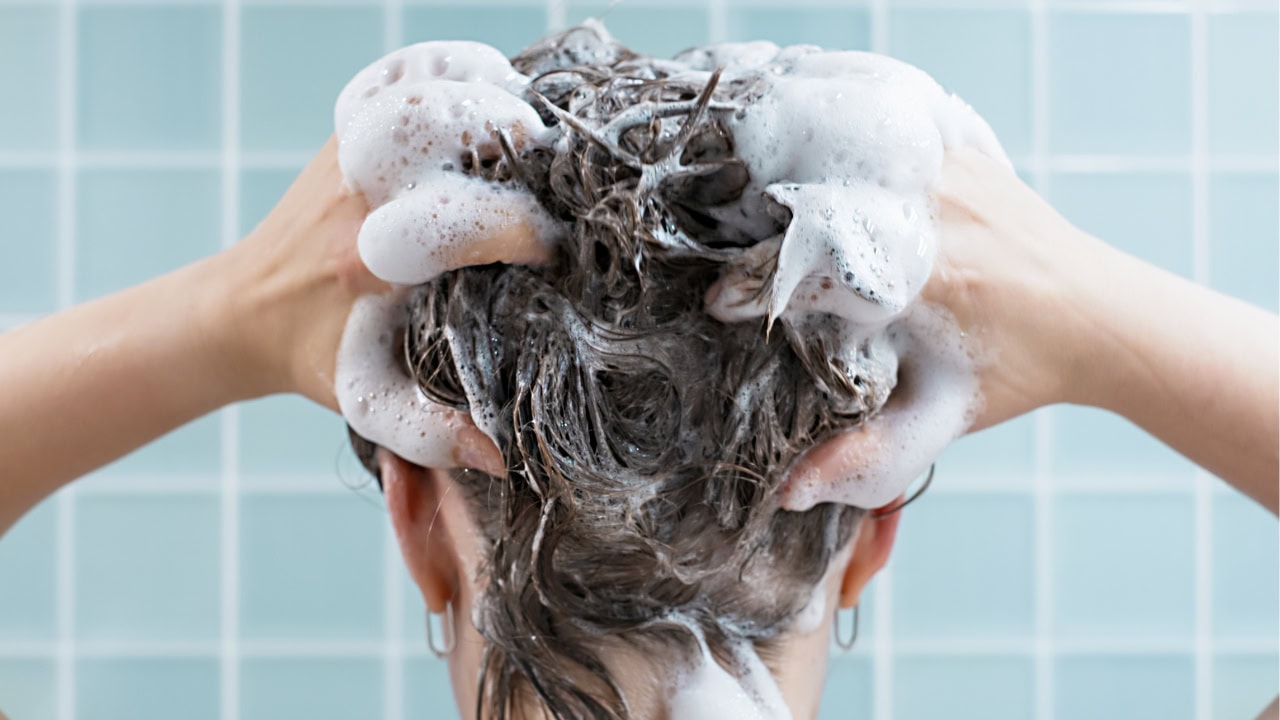
Washing your hair daily strips oils and makes you reach for more conditioner, masks, and styling products to fix the damage. Most people do better washing two to three times a week, depending on hair type.
Less washing means less shampoo used, longer-lasting color, and fewer heat-styling sessions. Dry shampoo or a silk pillowcase can help your hair stay fresh between washes.
falling for constant product launches
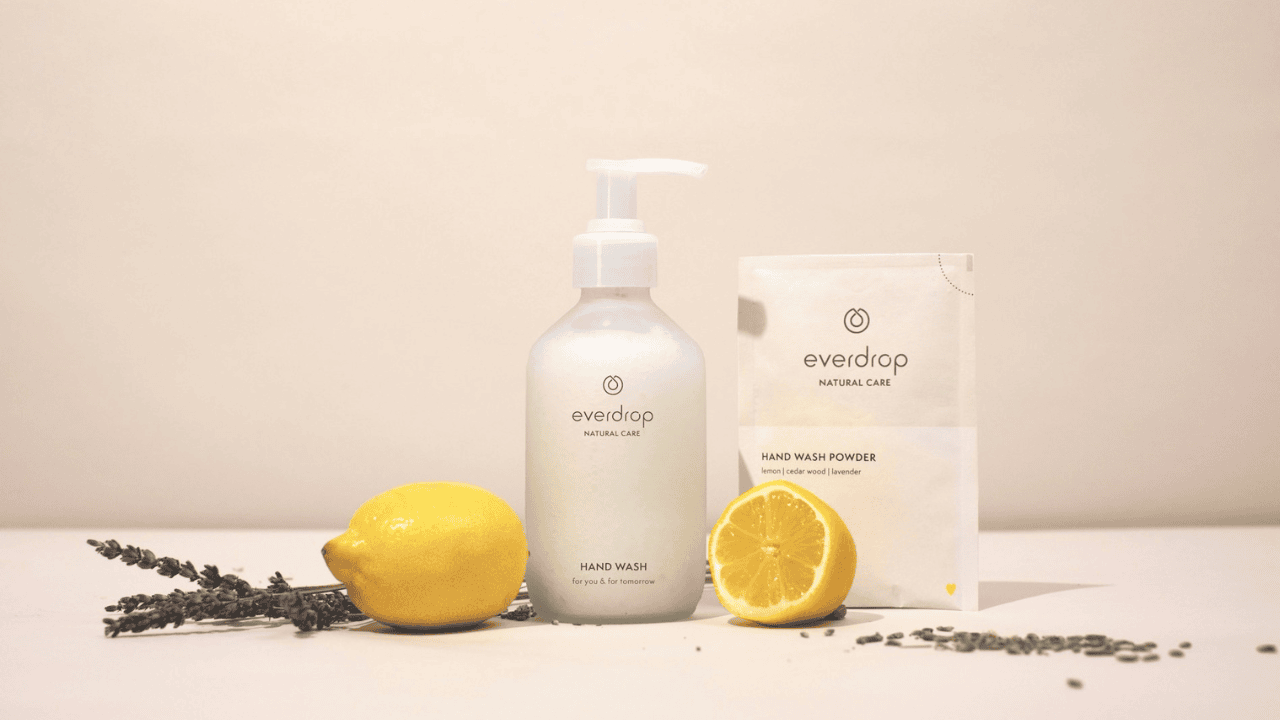
New beauty drops hit weekly, and social media makes them look irresistible. But the formulas are often similar to what's already on your shelf.
Stick to what works for your skin or hair instead of chasing the next "must-have." You'll see better results when you use products consistently-and save yourself a lot of money in the process.
paying for salon results you can get at home
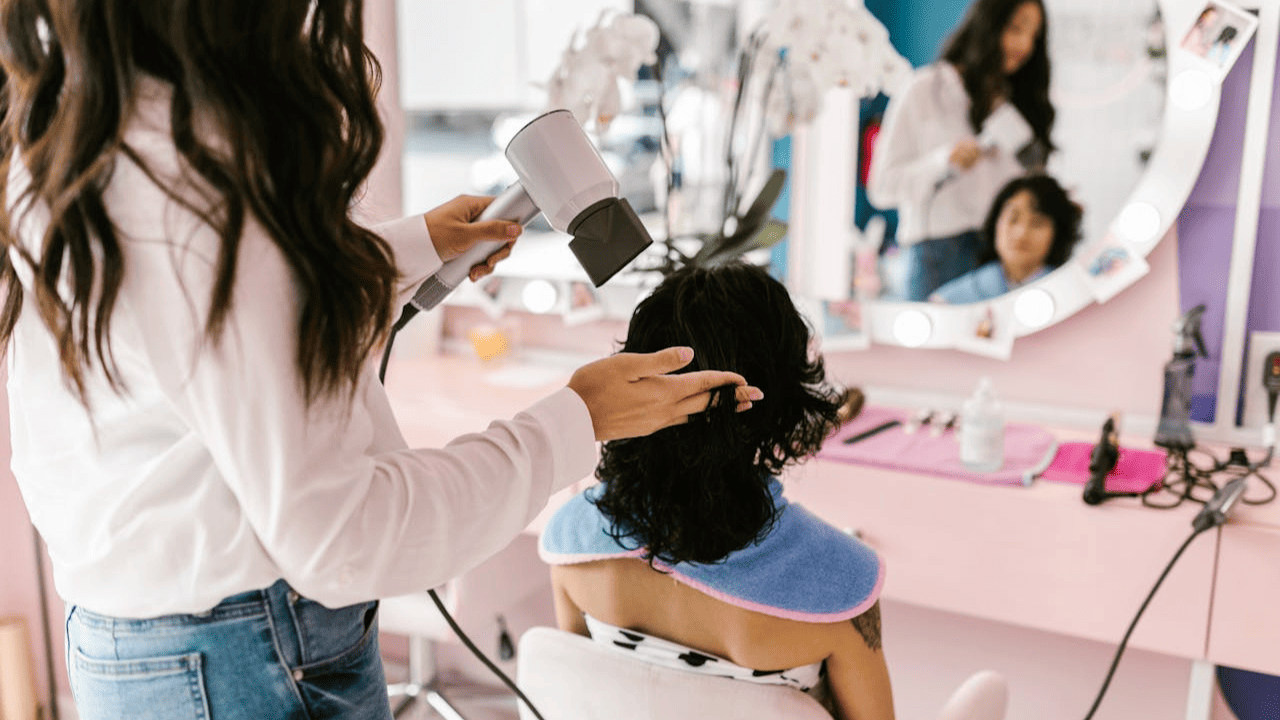
Regular blowouts, deep conditioning, or nail appointments feel nice, but many of those results can be replicated with the right at-home tools. Investing once in a quality dryer, gel polish kit, or mask pays off quickly.
If you like the pampering side of it, keep salon visits as an occasional treat instead of a routine. You'll still feel refreshed without the ongoing cost.
ignoring expiration dates
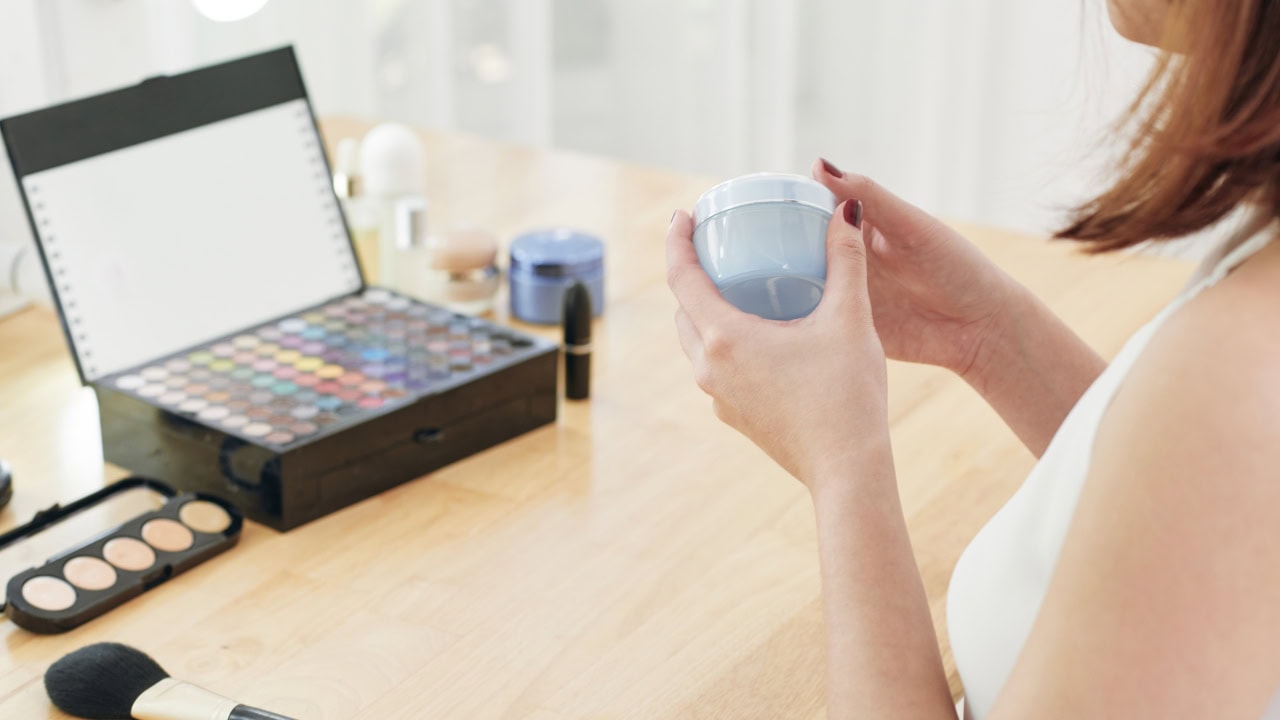
Expired skincare and makeup can irritate your skin and stop working properly. That means you're wasting money using products past their prime.
Check dates regularly and write the open date on the package with a marker. Fewer, fresher products that actually work will serve you better than a cluttered vanity full of half-used items.
using too much product
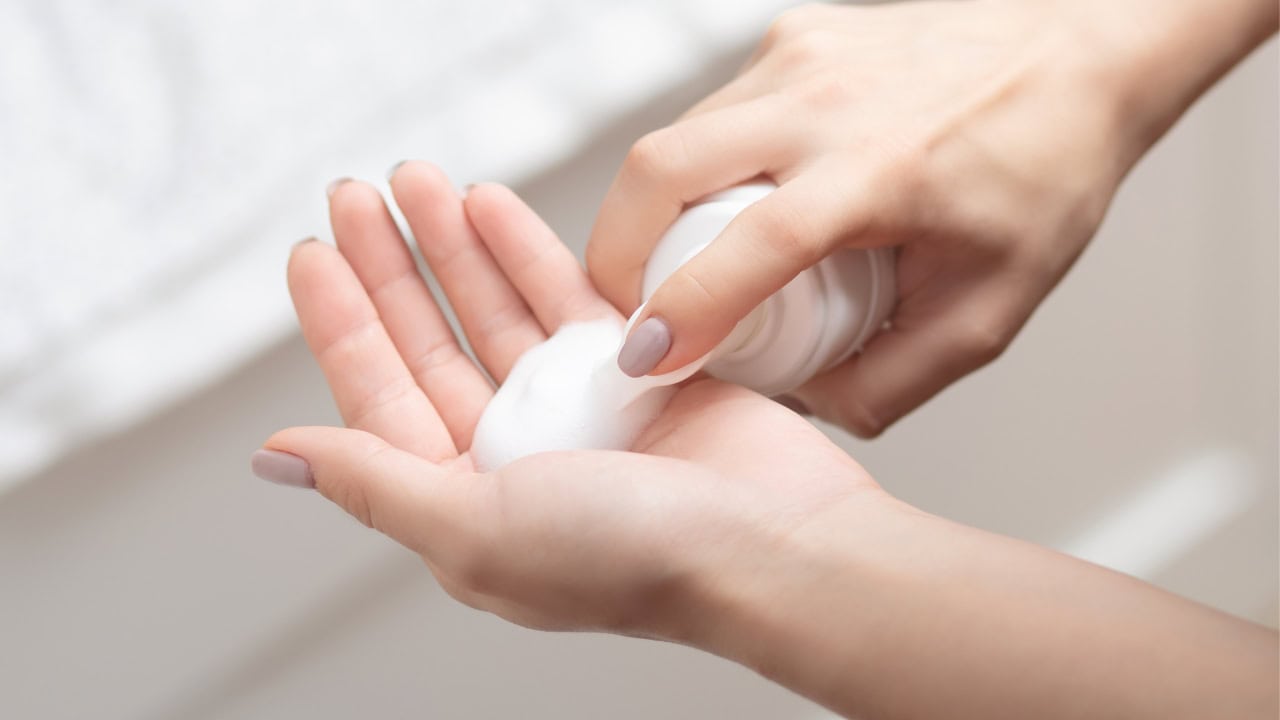
Most creams, serums, and cleansers only need a pea-sized amount. Using double or triple that doesn't speed results-it just runs your supply down faster.
Follow the directions on the label or look up recommended amounts. Once you get in the habit, you'll notice bottles last far longer without any drop in effectiveness.
buying travel sizes for convenience
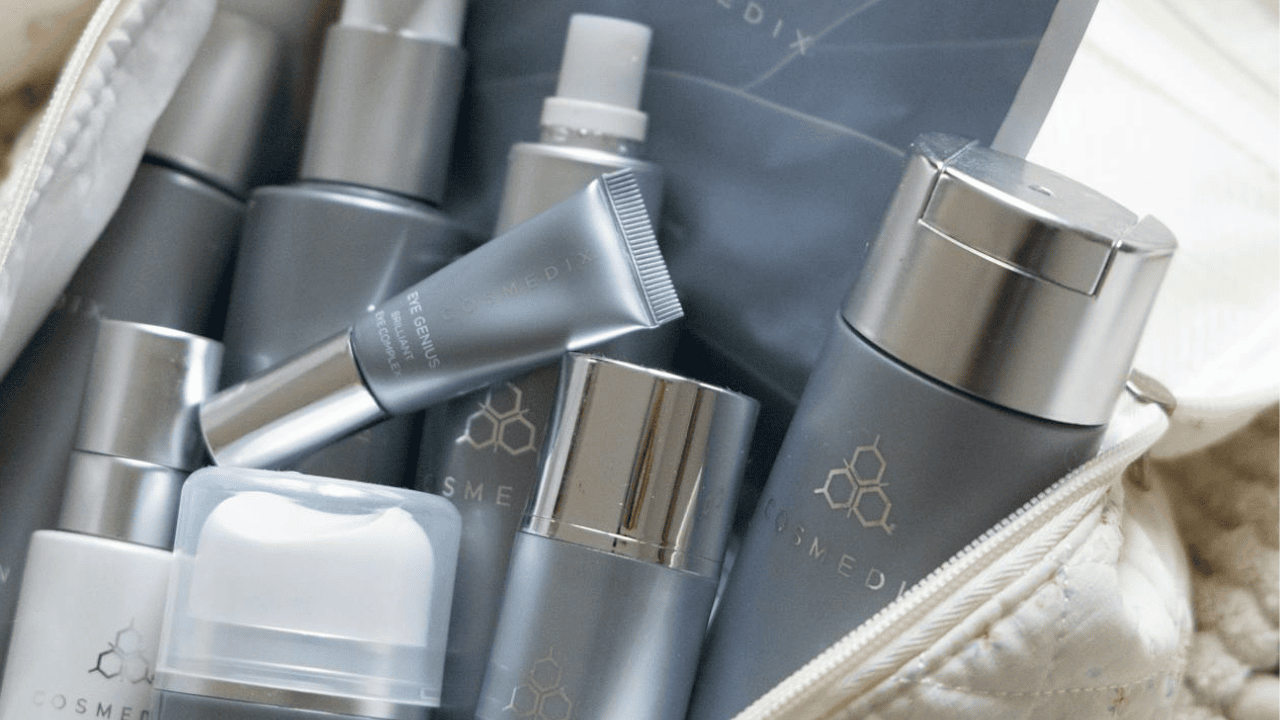
Those cute minis by the checkout line seem handy, but they're often double or triple the price per ounce compared to the full size.
Refill small bottles at home instead, especially for things like shampoo, lotion, or toner. You'll save money and cut down on plastic waste while still keeping your travel bag ready.
skipping multipurpose products
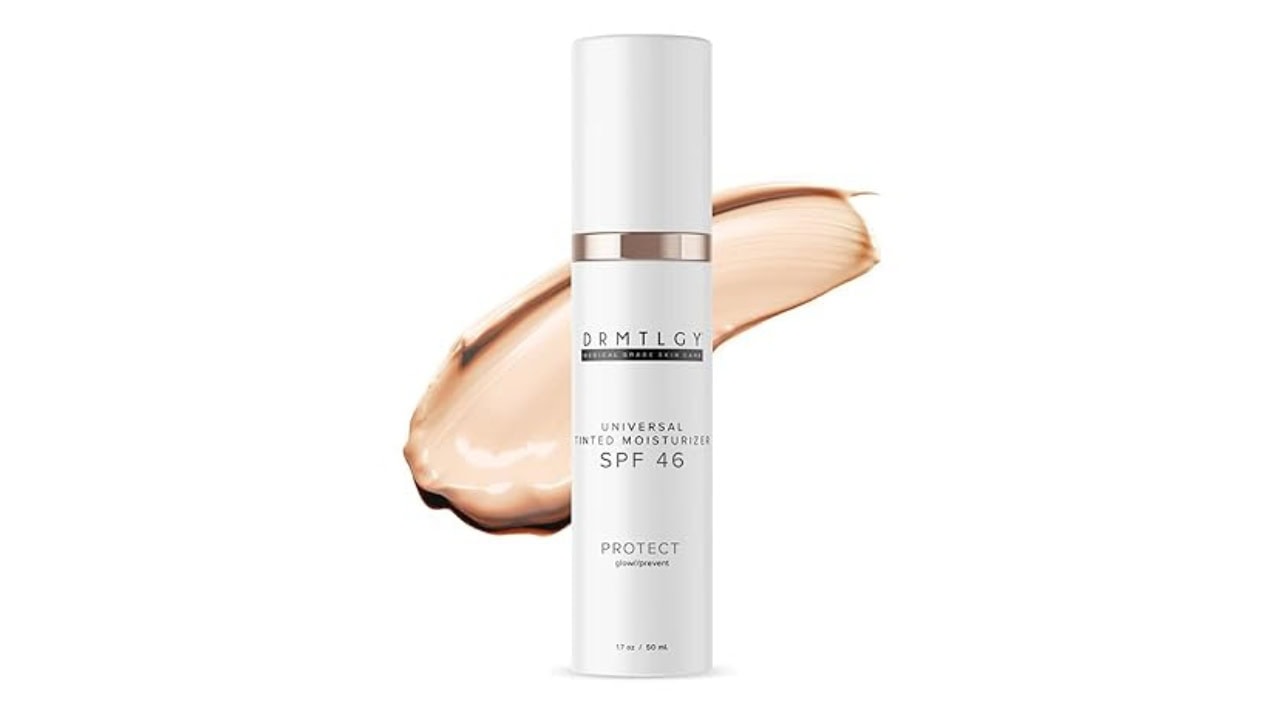
Having a separate product for every step adds up fast. Look for ones that do double duty-like tinted moisturizers with SPF or oils that work on both hair and skin.
Simplifying your routine makes it easier to stick with and saves counter space. It also means you'll actually finish what you buy before it expires.
getting caught up in packaging
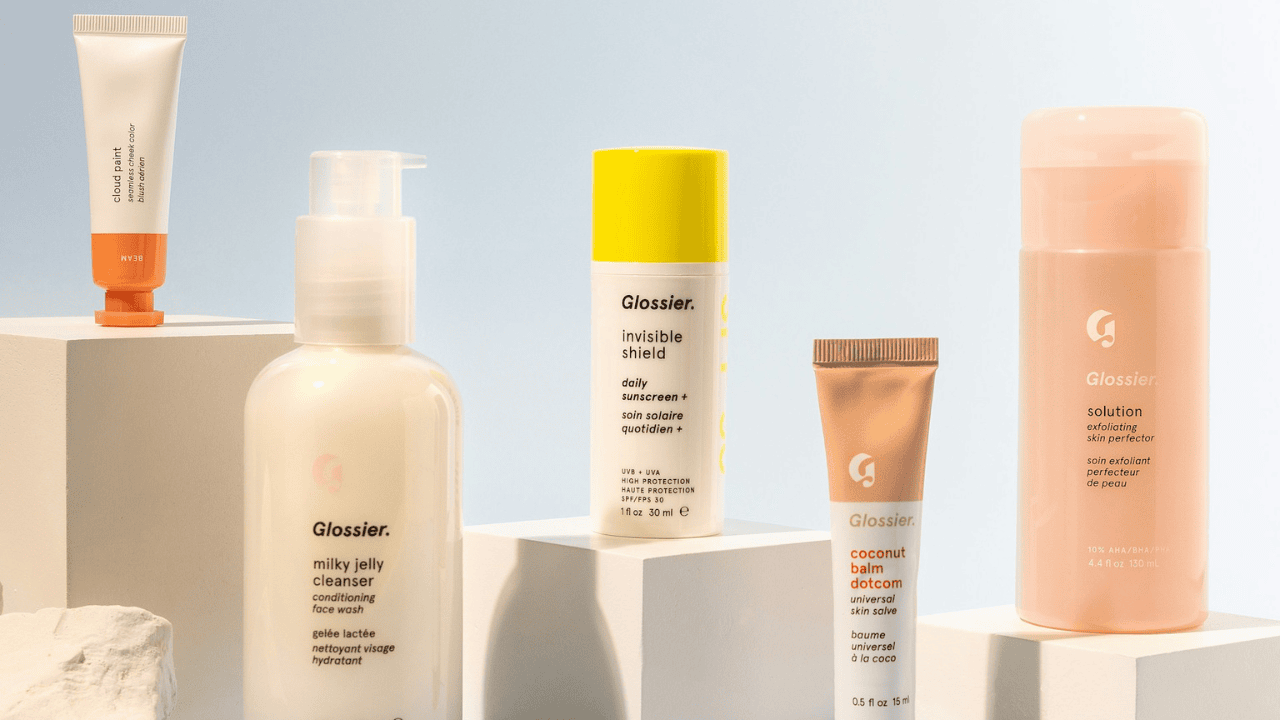
Pretty bottles and fancy branding can make average formulas look high-end. But in most cases, you're paying for the design, not the ingredients.
Flip the label and compare active ingredients. You'll often find identical formulas sold for far less under simpler packaging.
skipping returns on bad buys
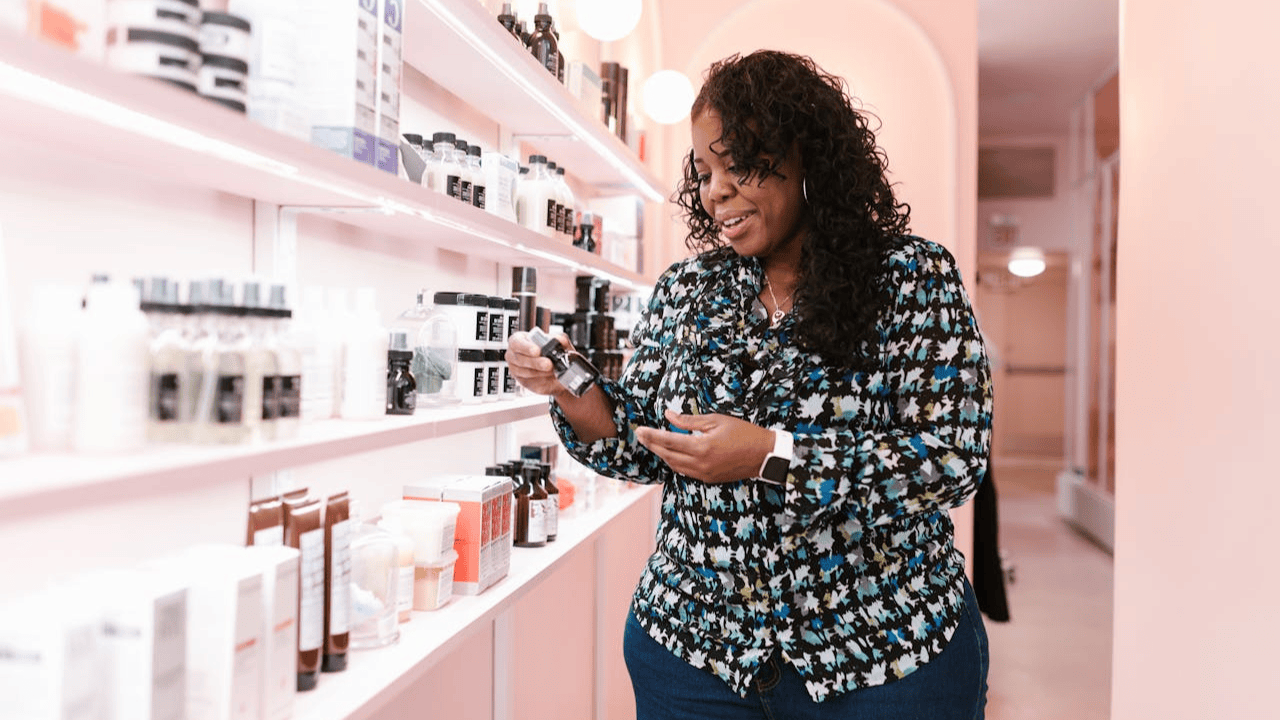
So many people hang onto products that didn't work out, thinking they'll use them "sometime." Most stores and brands accept returns on opened beauty products if you have the receipt.
Returning what didn't suit you keeps your budget tighter and helps you avoid clutter. It's better to put that money toward something you actually use.
*This article was developed with AI-powered tools and has been carefully reviewed by our editors.






Leave a Reply