
Buying in bulk sounds like the ultimate money-saving move. Fewer trips to the store, lower cost per ounce, and a stocked pantry-it checks all the boxes. But here's the thing: bulk shopping doesn't always mean better value.
In fact, it can quietly drain your budget if you're not paying attention. Between waste, storage issues, and false "savings," those warehouse-size deals can turn into expensive clutter before you know it.
If you're filling your cart because it feels like a smart financial move, it's worth slowing down to see where bulk buying backfires most.
When you can't use it fast enough
Food waste is the biggest way bulk buying costs more than it saves. That giant bag of salad mix or 20-pound sack of flour might look like a bargain, but it only pays off if you actually use it before it spoils.
Dry goods and frozen foods last longer, but even they can go stale or lose flavor over time. Unless you're cooking for a crowd or meal-prepping regularly, oversized packs of produce, dairy, and snacks often end up tossed. Paying for food you never eat isn't saving-it's spending on convenience and wishful thinking.
When storage becomes its own problem
Bulk shopping only makes sense if you have space to store what you buy. If your closets, pantry, or garage are overflowing with paper towels and detergent, that "savings" is eating up your square footage.
When supplies start spilling into living areas or getting lost in the back of a shelf, you're more likely to forget what you already have and buy duplicates. And if you're paying for storage bins or extra shelving to hold it all, that's another hidden cost of bulk habits that don't fit your space.
When sales beat the warehouse price
Buying in bulk gives the illusion of the lowest price, but it's not always true. Big-box stores tend to use "unit price" comparisons to make items look cheaper per ounce, yet regular grocery store sales or coupons can beat those numbers easily.
Check the math before assuming bigger equals better. You can often save more buying smaller quantities during weekly sales than stocking up at a warehouse once a month. The key is to compare-not assume.
When quality suffers over time

Bulk buying makes sense for non-perishables-until time starts to affect quality. Things like coffee, spices, oils, and flour lose flavor and texture the longer they sit. Even cleaning supplies and paper products can degrade if stored somewhere humid or hot.
The longer an item sits untouched, the less value you're getting out of it. You're paying for freshness that fades before you use it. Sometimes buying smaller, fresher batches means you actually get more for your money.
When buying more makes you use more
It's easy to overlook how psychology plays into bulk shopping. When you have a full pantry, you tend to use more-bigger scoops of detergent, more paper towels, extra snacks that wouldn't have been opened otherwise. The abundance makes it feel like there's always more to spare.
Those small overuses add up, quietly cutting into your supposed savings. Buying smaller quantities forces you to be more mindful and stretch what you have instead of burning through it faster.
When the "membership" costs outweigh the benefits
If you're paying for a warehouse membership, you have to use it enough to offset the annual fee. For families or people who buy large quantities regularly, it's worth it. But for smaller households or inconsistent shoppers, that fee can cancel out any savings.
Unless you're tracking your real savings, you might be paying for access that doesn't actually pay you back. If most of your purchases could be found cheaper elsewhere-or end up wasted-the membership is more of an expense than a benefit.
When bulk shopping leads to impulse spending
Big stores are designed to make you feel like you're saving with every cartload, but that warehouse mentality can make you buy things you never planned to. You see a "deal" on protein bars, candles, or storage bins, and suddenly you've spent $300 when you meant to restock toilet paper.
Bulk shopping works best with a strict list and a clear plan. The minute you start wandering the aisles, the deals turn into distractions, and your savings disappear under impulse buys.
When bulk doesn't fit your lifestyle
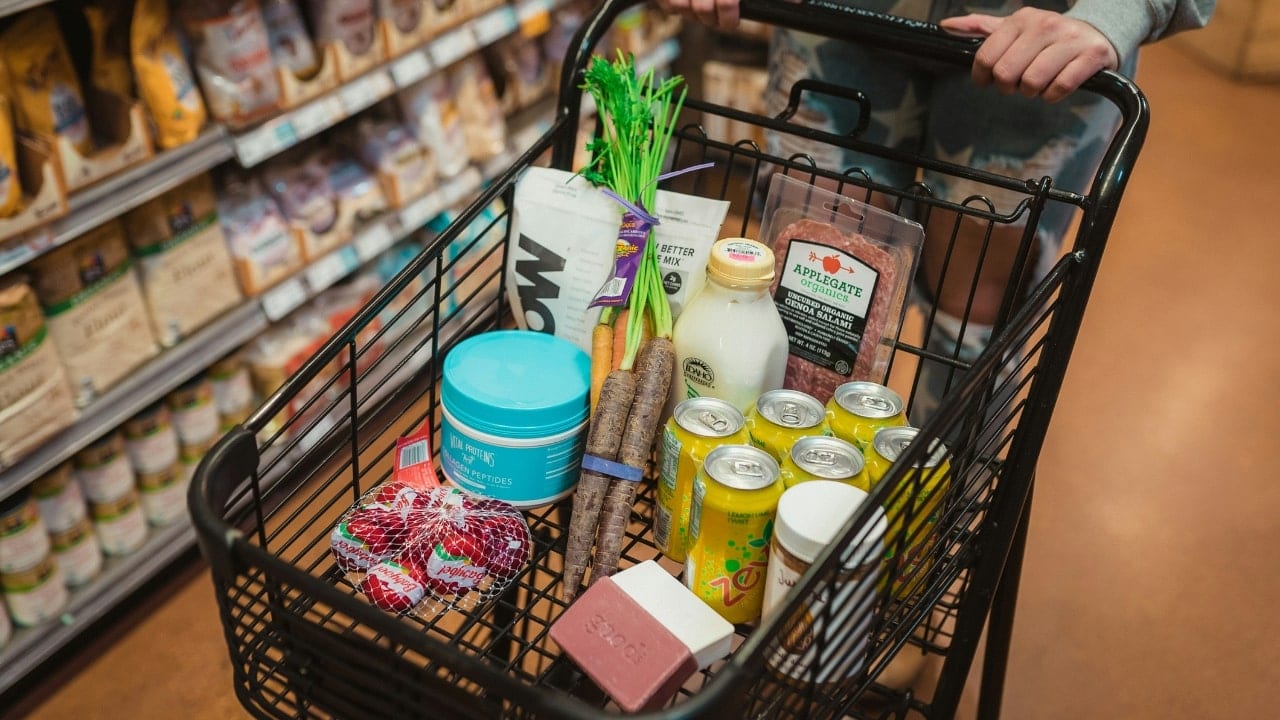
Buying in bulk only makes sense when it fits your real habits. If you live alone, have limited storage, or don't cook often, you'll spend more trying to make bulk purchases work than you'll ever save.
Instead, focus on stocking up strategically-buy the things you go through quickly, like paper goods, pet food, or pantry staples you actually use. For everything else, smaller quantities make more sense, even if they look pricier upfront.
Smart shopping beats stockpiling
The goal isn't to avoid bulk buying altogether-it's to know when it actually saves you money. Bulk can be great for certain items, but only if you have the space, the habits, and the discipline to make it work.
Saving money isn't about buying more-it's about buying better. Once you start looking at your real usage instead of the store's price tags, you'll see that smaller, smarter purchases often stretch further than a full trunk of "deals."
*This article was developed with AI-powered tools and has been carefully reviewed by our editors.





Leave a Reply