
Everyone loves the idea of saving at the checkout line. You swipe that grocery rewards card, watch a few dollars drop off the total, and feel like you scored a win. But most of those savings aren't as big as they seem. Grocery rewards programs are designed to keep you shopping more, not necessarily spending less.
If you've noticed your total hasn't changed much despite "discounts," you're not imagining it. Here's why those cards don't always deliver real savings-and what's quietly eating into your grocery budget.
You're Spending More to "Save" More
Rewards programs often dangle extra points or bigger discounts when you spend above a certain amount. It sounds like a deal until you realize you bought extra snacks or drinks you didn't actually need.
Those "buy more, save more" promos are meant to boost your total sale, not your savings. When you get serious about cutting costs, you stop chasing points and start buying only what's on your list.
Discounts Apply to Marked-Up Prices
Many reward discounts look impressive because they're taken off inflated "regular" prices. Stores often raise shelf prices so the discount feels larger, even though it's still higher than competitors.
That means your card might save you 10% on an item that costs 15% more than somewhere else. The best comparison isn't the discount-it's what you're actually paying compared to other stores.
Rewards Expire Before You Use Them
It's easy to forget that rewards points have expiration dates. By the time you check your account, half of your earned "cash" might already be gone.
Some stores even set short redemption windows to keep you returning frequently. If you don't track your points carefully, the program ends up benefiting them-not you.
You're Limited to Full-Price Items
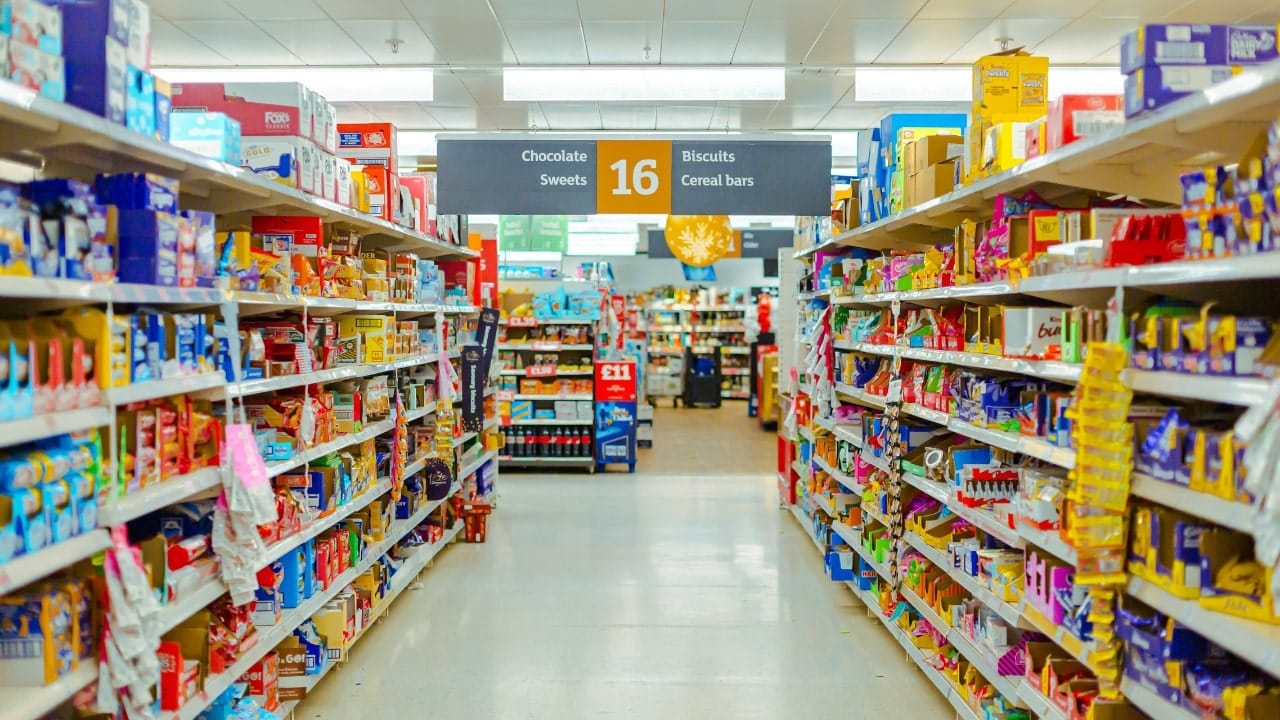
Many loyalty discounts exclude clearance or sale items, which means you're often paying more for the privilege of using your card.
When you stack that restriction over time, you lose access to real markdowns that could save far more than loyalty points ever will. Savvy shoppers always check for true clearance first.
You're Encouraged to Shop Brand Names
Rewards programs often highlight deals from specific brands that pay the store for placement. Those aren't always the cheapest or best-quality options.
If you stick to house brands or generic items, you'll probably save more long-term-even without any loyalty perks. The real savings come from smart choices, not brand-sponsored "deals."
Fuel Rewards Aren't Always a Win
Using your grocery card for fuel points sounds great until you realize how much you have to spend to earn them. In many programs, you need to drop $100 to save $0.10 per gallon.
Unless you're buying essentials anyway, that trade-off doesn't make much sense. You'd save more trimming $10 off your grocery total than chasing a few cents at the pump.
You're Giving Up Data for Small Returns
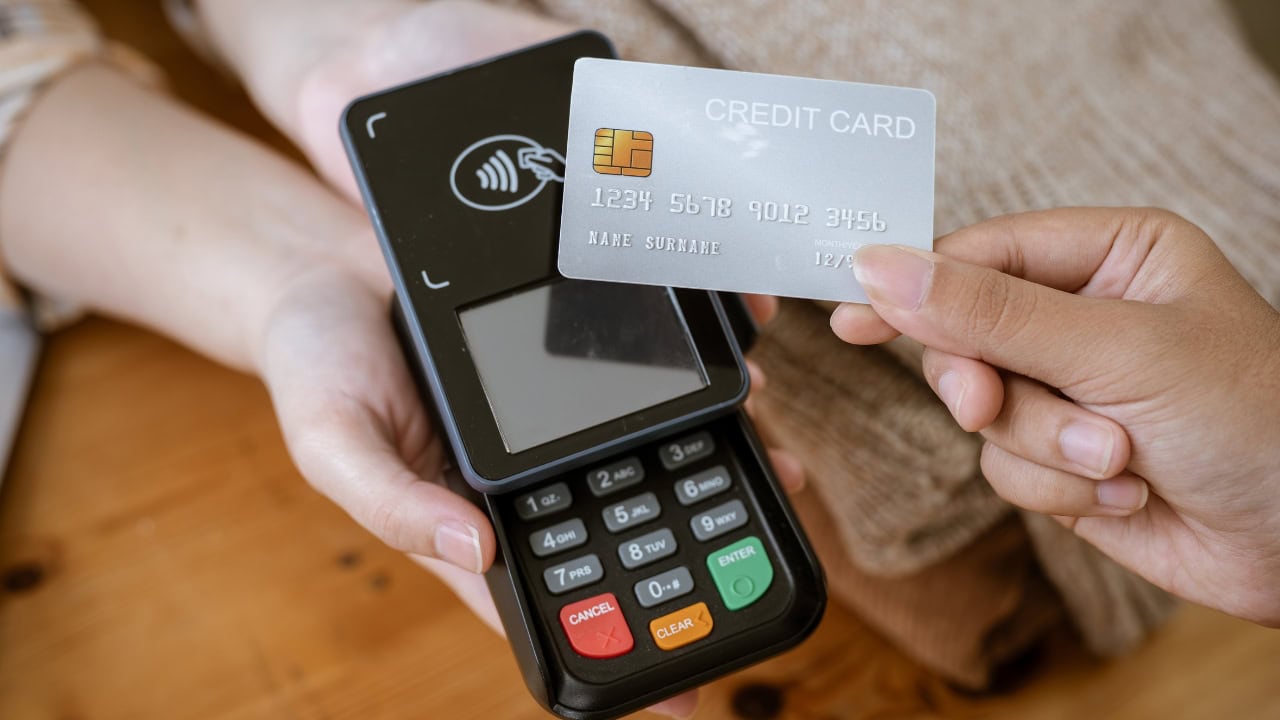
Every swipe of your rewards card tracks what you buy, how often you shop, and even what brands you prefer. That data is valuable-and you're handing it over for minimal savings.
In most cases, the discounts you get don't come close to what the store earns from selling your shopping data to marketing companies. It's a trade-off most people don't realize they're making.
Coupons Don't Always Stack With Rewards
Some programs quietly block digital or paper coupons when you're using a loyalty discount. That means you might miss out on an extra 50 cents here and there-and those small amounts add up fast.
If your goal is real savings, double-check receipts and don't assume all discounts stack automatically. Sometimes skipping the loyalty deal and applying your own coupons saves more.
The Program Shapes Your Shopping Habits
Rewards cards subtly nudge you into buying specific products or shopping more often to "unlock" the next discount. It's clever psychology that makes you feel like you're saving while you're spending more.
If you've ever left a store thinking, "I didn't mean to spend that much," that's the program doing its job. The best savings come from breaking that cycle completely.
*This article was developed with AI-powered tools and has been carefully reviewed by our editors.






Leave a Reply