
9 simple budget moves that protect you from surprise expenses later

Most "money emergencies" aren't surprises. The timing is, but the event itself? Cars need brakes. Kids need shoes. Appliances die at the worst possible time.
If your budget constantly gets wrecked by stuff like that, the problem usually isn't the bill. It's that nothing in your month is set up to absorb it. These moves aren't fancy, but they give you cushion so one bad week doesn't send everything into chaos.
Here's where to start.
1. Add a "stuff happens" line to every single month

Most people budget for bills and groceries, then stop. Life doesn't. There's always one odd thing: a teacher gift, a random fee, a tire patch, a last-minute birthday.
Add a small "stuff happens" category to your month-even $25-$100 if that's all you can spare. That money is there for those annoyances.
When the random thing pops up, you pull from that category instead of pulling from rent or groceries. It doesn't feel like an emergency anymore. It's just what that line item was built for.
2. Make a simple list of "guaranteed surprise bills" for your year

Sit down with a piece of paper or your notes app and think through your year:
Car tags, oil changes, back-to-school, sports or activities, holidays, birthdays, annual memberships, Amazon or Costco renewals.
Those things always throw people off because they don't hit monthly, so they get treated like emergencies. If you list them out once, you can divide the total by 12 and tuck a little aside each month.
You're not trying to predict every detail. You're admitting, "These things happen every year, so I'm going to stop acting shocked when they show up."
3. Turn one small bill into an "all year" sinking fund

Pick one category that derails you every time-Christmas, car repair, vet visits, kids' activities-and build a sinking fund around it.
If Christmas usually runs $600, for example, that's $50 a month. Transfer that into a separate savings account or envelope labeled for that one purpose.
The first year will feel a little awkward. After that, you're basically paying yourself in advance. When the season or event hits, the money is sitting there waiting instead of you scrambling to find it.
4. Auto-transfer something, even if it's embarrassingly small

A $10 or $20 auto-transfer to savings doesn't sound like much. That's the point. You want it small enough that you don't panic and shut it off every time you have a tight week.
The habit matters more than the number right now. You prove to yourself, "I am someone who moves money forward each month."
Later, when income rises or other bills drop, you can bump that amount. For now, the automatic part is what protects you on lazy or stressed days when you would talk yourself out of saving anything at all.
5. Give every dollar a job before the month starts

"Wing it" budgeting is where most surprise expenses really do damage. Money that doesn't have a job will wander.
Before the new month hits, sit down and tell every dollar where it's going: bills, food, gas, savings, debt, sinking funds, fun money. Even if the numbers are ugly, at least they're honest.
Then, when something unexpected shows up, you can see exactly what has to give or which category can flex, instead of feeling like the entire month is a mystery.
6. Build a tiny "home repair" buffer before the big emergency fund

Saving three to six months of expenses is overwhelming when you're barely staying afloat. Start smaller and more targeted.
Aim for a basic home repair buffer-maybe $200-$500-before you stress about the perfect emergency fund. That amount alone can cover things like a plumber visit, a small appliance fix, or a service call.
Once that's in place, you'll feel less panicked every time something in the house makes a weird noise. From there, you can slowly grow it into a broader emergency fund.
7. Pay attention to the categories that blow up the most

Most budgets have repeat offenders-eating out, groceries, Amazon, kids' extras. If you constantly overshoot the same few categories, that's where you get the biggest payoff from making changes.
Look back at the last two or three months and circle anything that came in higher than you planned. Then be honest about why: too many quick stops, stress ordering, no plan for busy nights.
You don't have to fix everything. Pick one problem category and adjust it this month with a simple rule or limit. That one improvement can keep a surprise expense from tipping everything over.
8. Use separate accounts or "buckets" for what you can't afford to touch

If money for rent, groceries, and savings all live in one checking account, it's way too easy to blur those lines. You swipe your card and hope it works out.
Even at the most basic level, splitting things helps. Some people use checking for bills and a separate checking or savings for variable spending. Others add one more account for sinking funds.
You're not fancy budgeting; you're creating friction. The harder it is to accidentally dip into money that isn't meant for daily spending, the more likely that money will be there when the big bill shows up.
9. Decide ahead of time what "true emergency" means for you
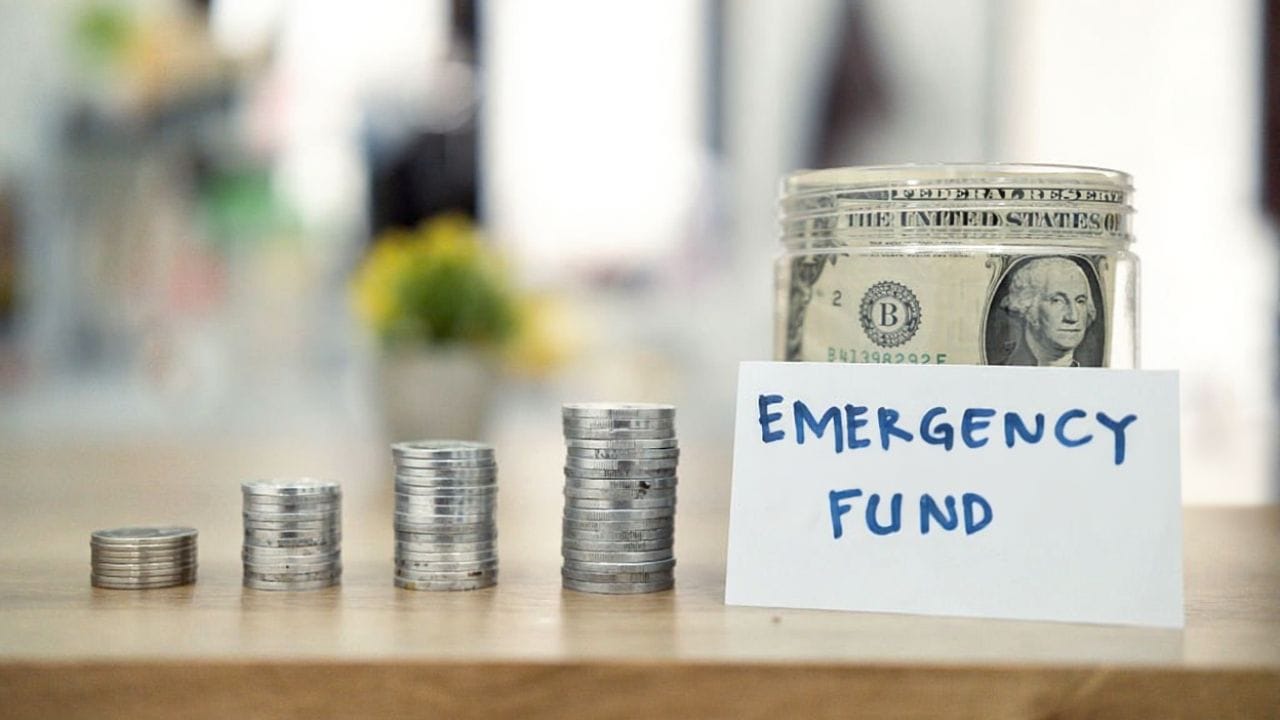
If every inconvenience counts as an emergency, your safety net will never grow. If nothing ever counts, you'll burn out and swipe a card anyway.
Decide in advance what your emergency fund or cushion is for: job loss, major car repairs, medical costs, essential home fixes. Write that down.
When something pops up, measure it against that list. If it qualifies, use the fund. If it doesn't, look for a way to cash-flow it or adjust this month instead. That clarity keeps one annoying bill from draining money you might need for something genuinely huge later.
*This article was developed with AI-powered tools and has been carefully reviewed by our editors.






Leave a Reply