
10 ways I keep our household budget under control

Keeping a household budget under control takes more than tracking numbers on paper. It's about creating habits that actually work in real life. The more intentional you are, the easier it gets to cover bills, save, and still have some breathing room.
Over time, I've found that small, consistent steps make the biggest difference. They keep spending in check without making life feel restricted. Here are ten ways I keep our household budget running smoothly.
Prioritizing essentials first

The first thing I do with any budget is make sure the essentials are covered. That means housing, utilities, groceries, and transportation.
Taking care of these first makes everything else easier. You know the basics are handled, so you can work with what's left without worrying about falling behind.
Meal planning around the budget

Groceries can be one of the hardest categories to control, but meal planning changes that. Writing out meals keeps me from shopping aimlessly.
When I build meals around sales and what's already in the pantry, the grocery bill drops. It also helps reduce waste, which saves even more.
Using cash for extras

Credit and debit cards make it too easy to overspend. Setting aside cash for extras like dining out or fun purchases keeps me accountable.
When the cash is gone, that's the end of it. This habit gives me a natural stopping point that keeps the budget on track.
Tracking expenses weekly
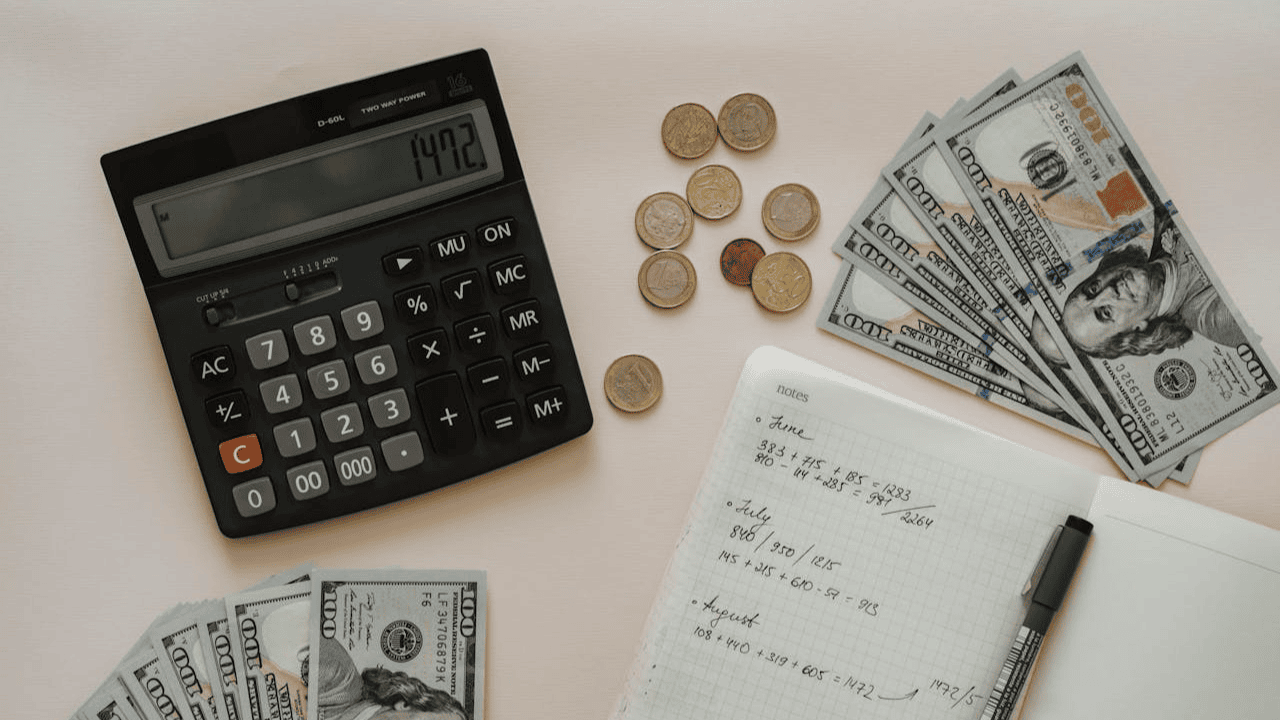
Waiting until the end of the month to check spending usually leads to surprises. I track expenses weekly so I know where we stand.
This quick check-in only takes a few minutes but helps me adjust before things spiral. It keeps the budget from slipping off course.
Planning ahead for irregular bills

Bills like insurance, holidays, or school expenses can wreck a budget if you're not ready. I set aside a little each payday so they don't hit all at once.
When those bills come due, the money's already there. It keeps the budget steady and avoids the scramble to cover large costs.
Cutting subscriptions we don't use
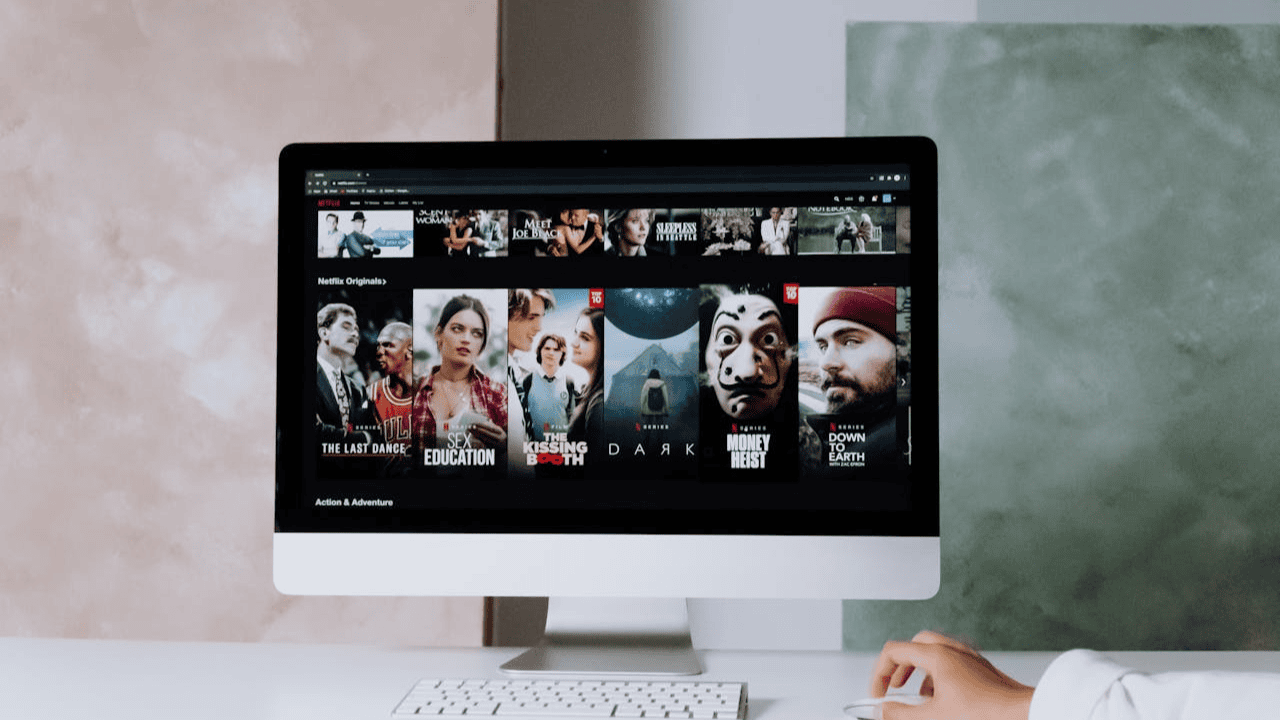
It's easy to let subscriptions pile up in the background. I review them regularly and cancel anything we're not using.
Even small amounts add up when they're monthly. This habit frees up money instantly and makes the budget lighter without losing anything important.
Buying secondhand when possible
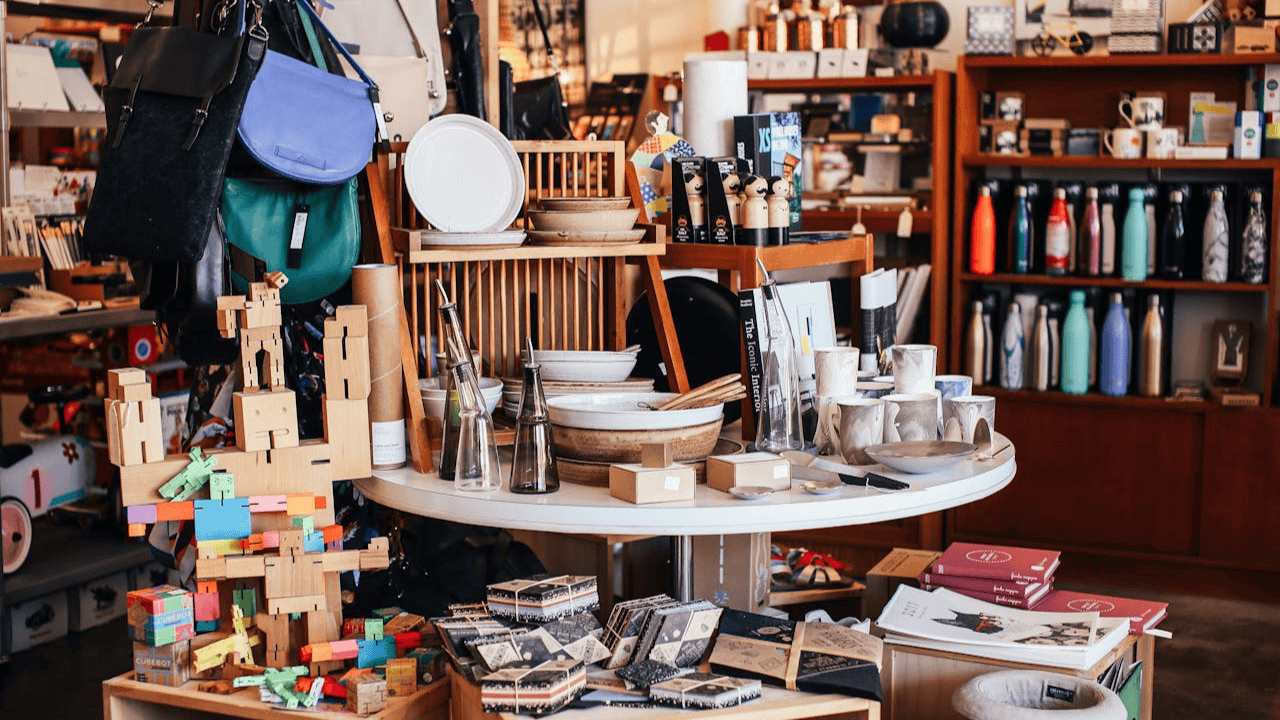
Before paying retail, I check thrift stores, marketplace listings, or resale shops. Many household items hold up well and cost far less used.
This approach saves money without cutting out purchases altogether. It stretches the budget while still giving us what we need.
Automating savings
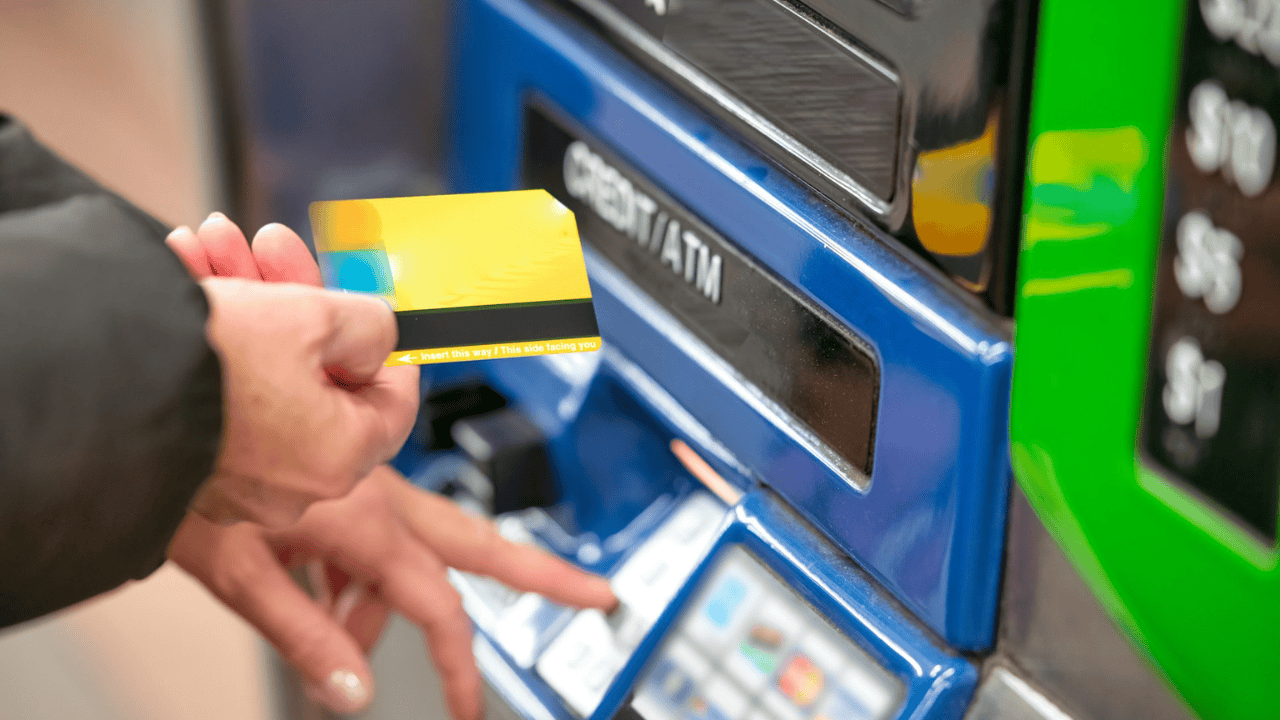
I treat savings like a bill and move money automatically on payday. If I wait until the end of the month, it usually disappears.
Automating takes the decision out of it. The money builds quietly in the background, and the budget adjusts to what's left.
Avoiding impulse buys

Impulse spending can sink a budget fast. I've made it a rule to wait at least 24 hours before buying anything unplanned.
Most of the time, I realize I don't need it. This habit stops small leaks in the budget and makes room for what really matters.
Keeping categories simple
Too many budget categories can feel overwhelming. I keep it to the basics: housing, food, transportation, savings, and extras.
Simplifying makes it easier to stick with long term. It keeps the budget clear, manageable, and easier to adjust when life changes.
*This article was developed with AI-powered tools and has been carefully reviewed by our editors.






Leave a Reply