
10 lies you tell yourself to justify overspending

Overspending rarely feels reckless in the moment. Usually, you talk yourself into it with excuses that make the purchase seem reasonable. I know because I've done it plenty of times.
Looking back, I can see the patterns-the little lies I told myself that made overspending feel okay at the time. Recognizing them was the first step in breaking the cycle. Here are ten things I used to say to justify spending more than I should have.
"It's on sale, so I'm actually saving money"
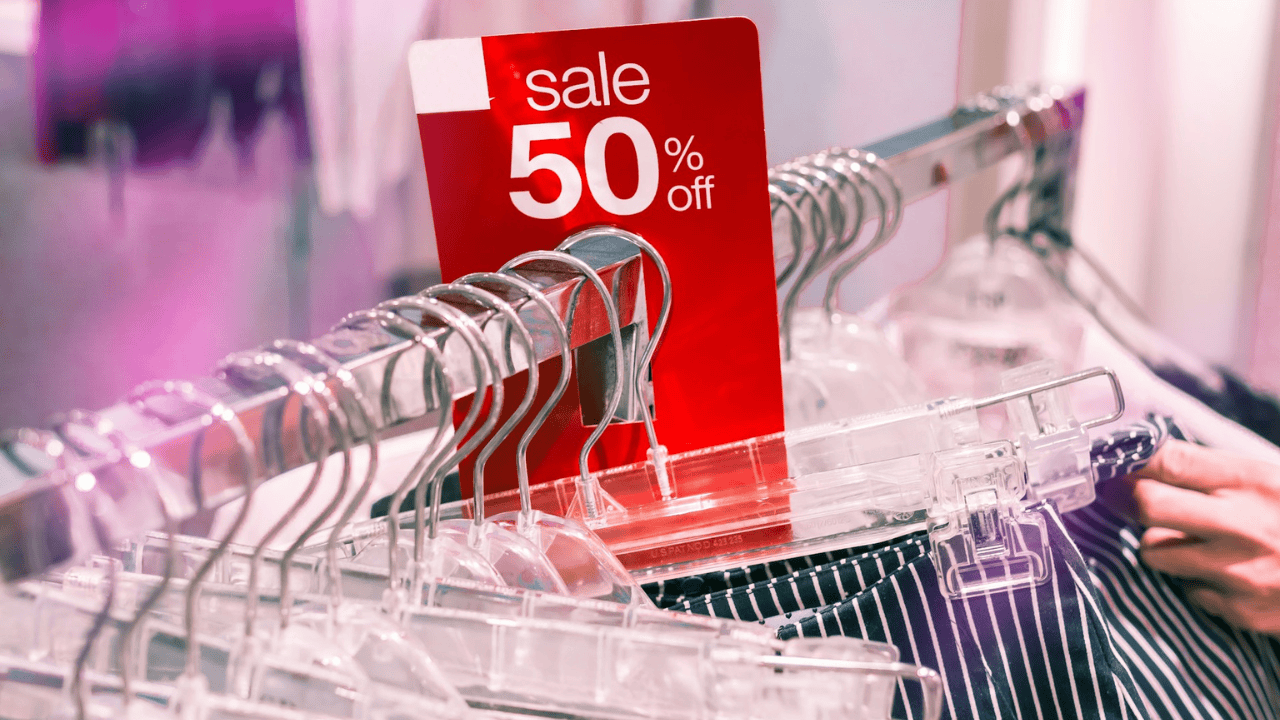
Sales can make you feel like you're being smart, but the truth is you're still spending money you wouldn't have otherwise.
If you didn't need the item in the first place, the discount doesn't matter. This mindset had me stocking up on things I didn't use, all in the name of "saving."
"I deserve it"
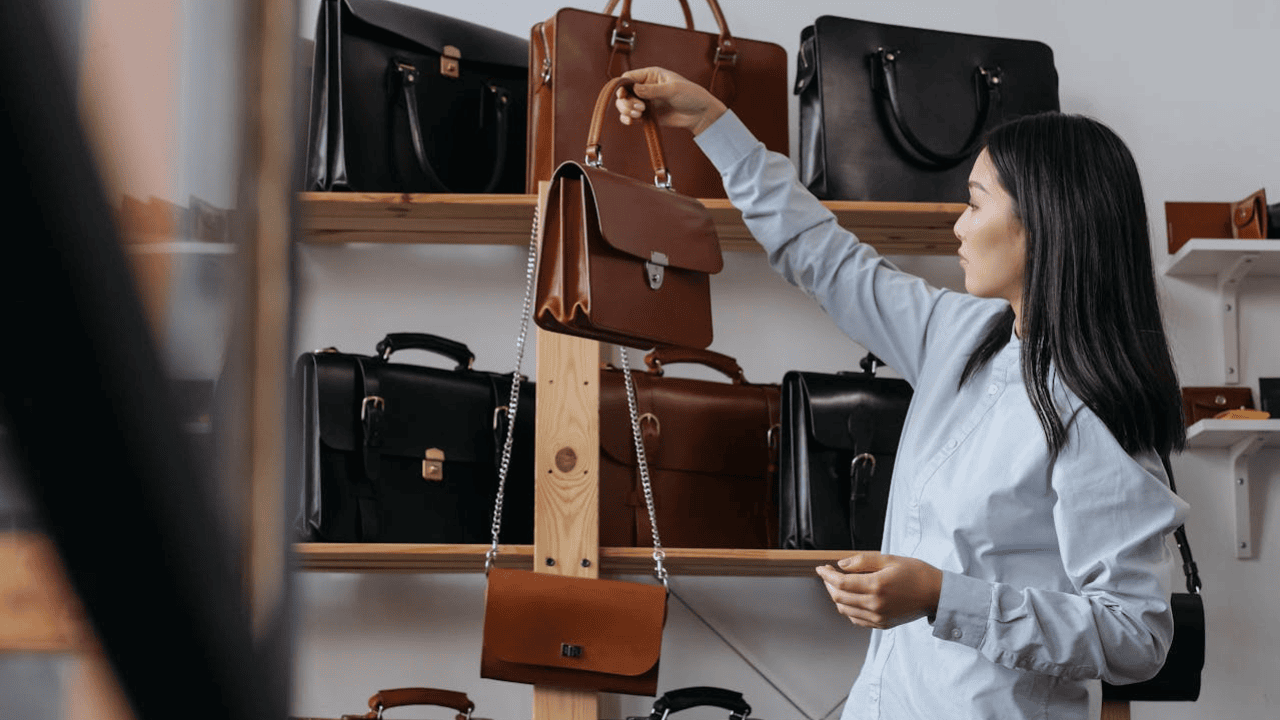
Telling yourself you deserve something can make any splurge feel justified. The problem is, you can deserve rest, fun, or comfort without draining your budget.
When every stressful week ended with a reward purchase, it added up fast. I had to learn that treating myself didn't have to mean overspending.
"I'll pay it off later"
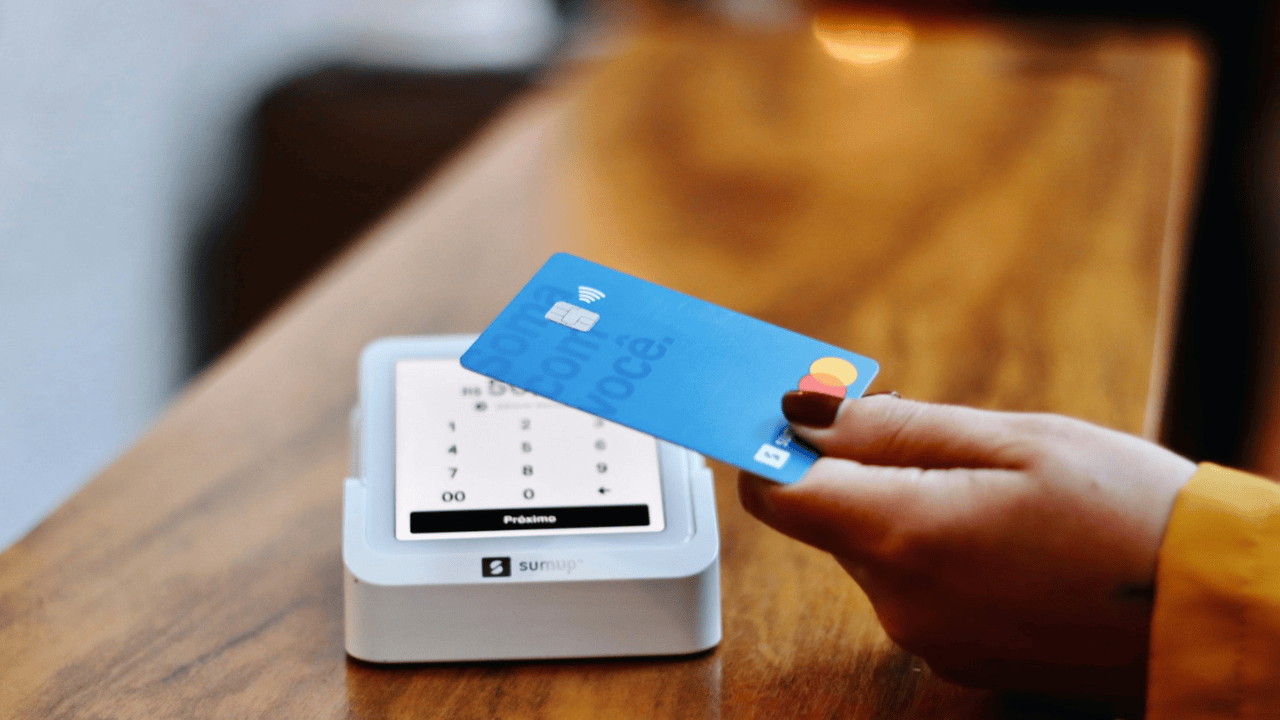
Credit cards make it easy to convince yourself you'll handle the bill down the road. But interest adds up faster than you think.
What started as "later" often turned into months of payments. This excuse left me stuck longer than the excitement of the purchase ever lasted.
"It's only a few dollars"

Small purchases feel harmless, but they pile up quickly. Snacks, apps, or quick trips through the drive-thru don't seem like much at the time.
Looking back, those little things often added up to hundreds in a month. Dismissing them as "only a few dollars" was one of my biggest blind spots.
"Everyone else has one"
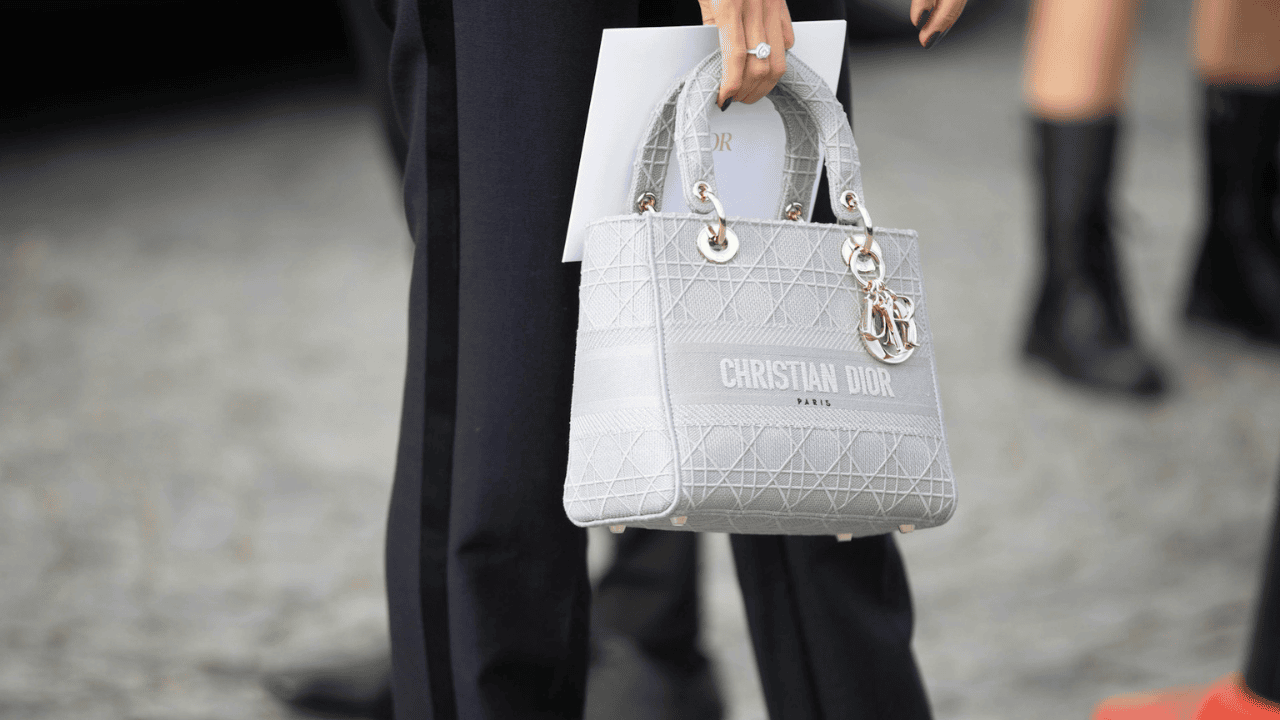
Comparing yourself to others is an easy way to overspend. Whether it was a phone, outfit, or subscription, I felt like I needed to keep up.
The truth is, no one's budget or priorities look exactly the same. Copying others left me with bills I didn't need and items I didn't really care about.
"I'll use it all the time"

Overestimating how much use you'll get out of something makes the purchase feel justified. I told myself this about gadgets, workout gear, and clothes.
In reality, most of it barely got touched. This excuse left me with clutter and regret more often than real value.
"It's an investment"

Calling something an "investment" made me feel better about overspending. But not everything you buy actually grows in value or saves you money.
Furniture, clothing, or electronics can be smart buys if planned, but impulse spending rarely qualifies. I learned to separate real investments from excuses.
"I'll cut back somewhere else"

Promising myself I'd balance it out later always made overspending feel okay in the moment. The problem was, I rarely followed through.
That mindset delayed real accountability. Without tracking or sticking to limits, I never actually made up for those splurges.
"It's for the kids"

Spending on kids feels easier to justify because it seems selfless. Toys, clothes, or outings all felt like "needs" at the time.
The truth is, kids don't need constant extras. Overspending in their name often added stress without really benefiting them.
"It's a one-time thing"

Labeling a purchase as "one-time" made it feel special, but it was rarely true. Vacations, events, or big splurges often repeated themselves.
This excuse downplayed the long-term impact. Treating everything as rare left me overspending more often than I admitted to myself.
*This article was developed with AI-powered tools and has been carefully reviewed by our editors.






Leave a Reply