
Working from home can save you money, but it can also sneak up on your budget fast if you're not paying attention. Between higher utility bills, endless coffee refills, and "convenience" upgrades you don't need, it's easy to spend more than you realize.
The good news is, a few small habits can help you keep those costs under control without making your days harder.
Keep your workspace energy-efficient
Your home office doesn't need to draw as much power as you think. Switch to LED bulbs, unplug electronics at the end of the day, and use a smart power strip so idle devices aren't quietly running all night. Heating or cooling an entire house when you only use one room adds up fast-so keep vents closed in unused areas or use a small, efficient space heater instead of turning up the thermostat.
Meal prep like you're still commuting
One of the biggest money traps of remote work is constant snacking or ordering lunch because you didn't plan ahead. Treat your week like you still have to pack a lunch-prep a few meals, portion out snacks, and make coffee at home instead of running to the drive-thru mid-morning. You'll cut impulse spending and eat better while you're at it.
Set work hours-and stick to them
When you work from home, it's easy to blur the line between work time and off time. But that can mean lights, screens, and equipment running longer than they need to. Having a set start and stop time helps your brain clock out and saves on electricity and personal burnout. A consistent schedule also makes it easier to manage heating and cooling costs since your workspace runs on a routine.
Use what you already have before upgrading
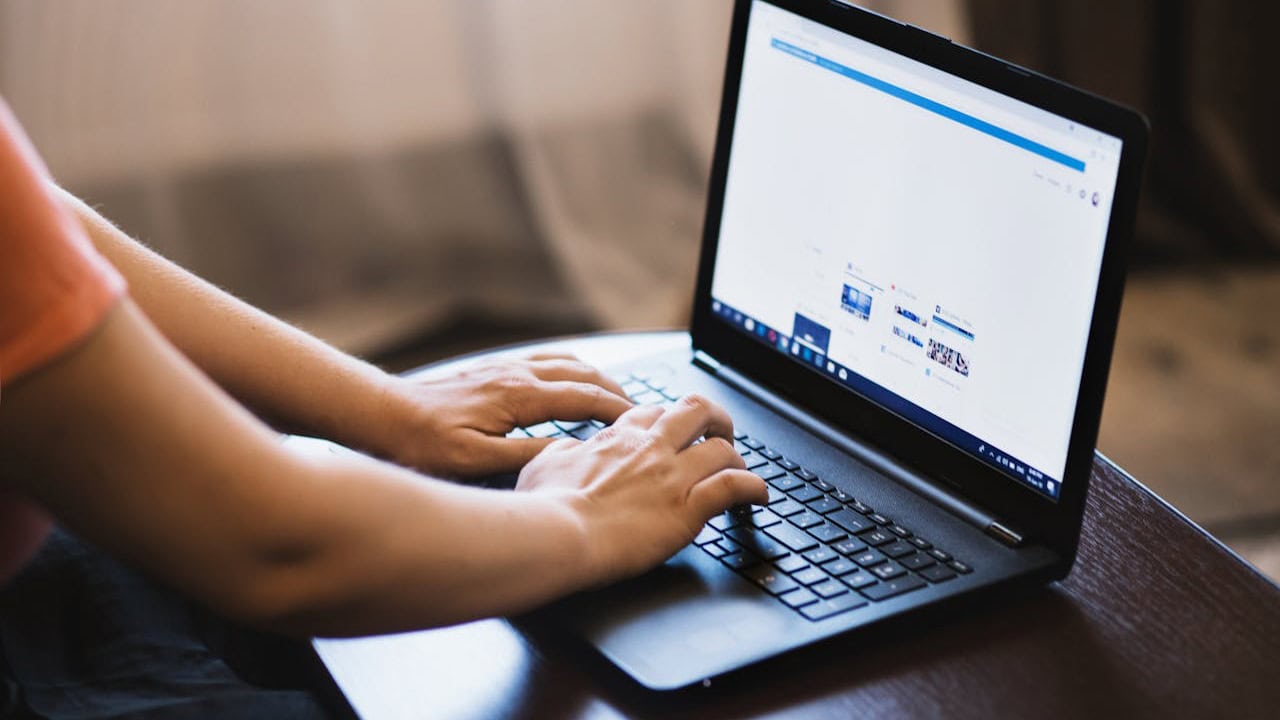
You don't need to rush out for fancy office furniture or a second monitor right away. Use what you have and adjust as you go. That old dining chair might not be perfect, but you can make it more comfortable with a small cushion or lumbar pillow. Wait until you've worked in your space long enough to know what you actually need instead of what looks productive online.
Take advantage of tax deductions
If you're self-employed or working as an independent contractor, don't forget to track your expenses. Portions of your internet, utilities, and even certain home repairs can count as deductions if they relate to your workspace. Keep good records throughout the year so you're not scrambling come tax time. It's one of the easiest ways to offset the extra costs of working from home.
Turn off climate control when you're not working
If your office sits empty after hours, there's no reason to keep it at the same temperature all day. Turn down the heat or AC when you're done for the day or use a programmable thermostat to automate it. Those extra degrees can make a noticeable difference on your monthly bill, especially during peak winter and summer months.
Limit subscriptions tied to "productivity"
You don't need five different project management tools or a new cloud service to be efficient. Audit your subscriptions-software, apps, memberships-and cut what you're not using. It's easy to sign up for free trials and forget them, but those small recurring charges add up. Stick with the ones that actually make your work easier or help you earn money.
Use natural light whenever possible

Lighting can quietly raise your energy costs if you rely too heavily on artificial light. If you can, set up your workspace near a window to take advantage of daylight hours. It makes a big difference in how your space feels and helps you save a few bucks each month without thinking about it.
Skip unnecessary "workspace" decor
You don't need to spend money on office decor to feel productive. A few personal touches are fine, but you don't have to mimic a Pinterest-worthy setup for your space to work well. Prioritize comfort and functionality first-your budget and your focus will both thank you.
Plan your errands around your workweek
If you're home most of the week, you can time your errands to save gas and avoid unnecessary trips. Combine grocery runs, drop-offs, and appointments into one outing instead of scattering them through the week. It's an easy way to keep your schedule flexible and your wallet a little fuller-all without feeling like you're missing out on convenience.
*This article was developed with AI-powered tools and has been carefully reviewed by our editors.






Leave a Reply